IMPT.IO · 12 stays live

Eco-Hotels in Chiang Mai.

A curated list of Chiang Mai's most sustainable stays — Northern Thailand's cultural capital, where the burning season makes eco-operations urgent.

12 hotels 1 ton CO₂ removed per booking 100% UN-verified
Find your Chiang Mai eco-stay →

Same price as direct · 1 ton CO₂ removed per booking

Chiang Mai's sustainability story is increasingly defined by one annual crisis: the dry-season burning that pushes the city's PM2.5 levels above 200 µg/m³ for weeks at a stretch. The Tourism Authority of Thailand's Green Leaf certification has been adopted aggressively across central hotels, on-property water filtration is now standard (so guests skip bottled water), and many properties have moved to rooftop solar PV that handles peak daytime AC load. The compact Old City within the moat is genuinely walkable, and the songthaew network handles wider district coverage with low per-passenger emissions.

Every reservation below removes one ton of UN-verified CO₂ through IMPT's offset programme — paid from our commission, never added to your bill. The list spans the Old City within the moat, the Nimmanhaemin (Nimman) creative quarter, the Ping River east bank, the Wat Gate district, and a couple of quieter mountain-edge stays toward Doi Suthep.

Top 12 eco-hotels in Chiang Mai

Thenor เดอะนอร์ — eco-hotel in Chiang Mai #1

Thenor เดอะนอร์

★★★★★

An Old City boutique in a restored Lanna-style teak building near Wat Phra Singh. The hotel runs on-property water filtration so guests skip plastic bottles, and the kitchen sources from Mae Sa Valley organic farms within a 30km radius.

Carbon-balanced Check →
Villard123 — eco-hotel in Chiang Mai #2

Villard123

★★★★★

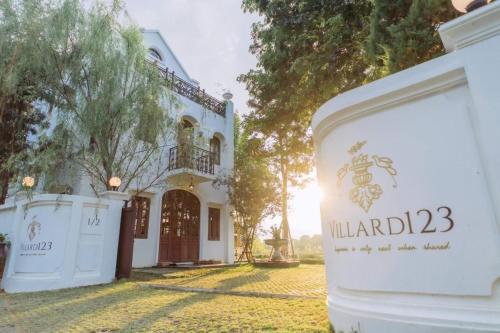
Nimman district stay in the creative quarter near Maya Lifestyle Shopping Center. The property holds a Thai Green Leaf 4-leaf certification and runs rooftop solar PV that handles peak daytime AC load.

Carbon-balanced Check →
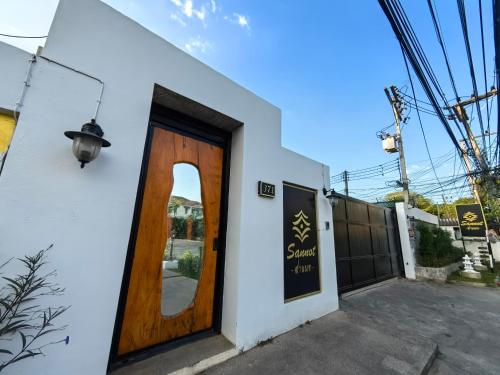
清迈三诺河畔精品度假酒店 Sannot Riverside Boutique Hotel — eco-hotel in Chiang Mai #3

清迈三诺河畔精品度假酒店 Sannot Riverside Boutique Hotel

★★★★★

Ping River east bank boutique with views across the river to the Wat Gate quarter. Refillable amenity dispensers throughout, single-use plastics phased out, and a strong waste-segregation programme — essential given Northern Thailand's limited recycling infrastructure.

Carbon-balanced Check →
Lannawild — eco-hotel in Chiang Mai #4

Lannawild

★★★★★

Modern build near Chiang Mai International Airport, useful for short-stay business visits. The owner has invested in heat-pump hot-water systems, demand-controlled lighting, and switched to certified-renewable electricity where the local grid mix allows.

Carbon-balanced Check →
Go Inn Maya Nimman — eco-hotel in Chiang Mai #5

Go Inn Maya Nimman

★★★★★

Compact Sun Square Old City stay near Tha Phae Gate. The owner has invested in LED throughout, key-card power, and runs an active community-temple maintenance partnership with neighbouring Wat Chedi Luang.

Carbon-balanced Check →
Resort Hoshihana — eco-hotel in Chiang Mai #6

Resort Hoshihana

★★★★★

Sister property in the Wat Gate area, useful for both Sunday Walking Street access and the riverside scene. The building benefits from a recent thermal retrofit and runs solar thermal for hot-water demand.

Carbon-balanced Check →
KhaokodHomestay — eco-hotel in Chiang Mai #7

KhaokodHomestay

★★★★★

Doi Suthep-edge stay in the foothills north of the city, popular with longer wellness retreats. Heat-recovery ventilation, native landscaping that minimises irrigation, and a partnership with a Mae Hong Son reforestation NGO.

Carbon-balanced Check →
S48 River Ping — eco-hotel in Chiang Mai #8

S48 River Ping

★★★★★

Sister property in the Hang Dong district south of the centre, useful for longer leisure stays. The hotel holds an EarthCheck Bronze certification and reports detailed sustainability metrics annually.

Carbon-balanced Check →
Kasa Verdana — eco-hotel in Chiang Mai #9

Kasa Verdana

★★★★★

Quieter Wualai silver-workers district stay south of the moat. Compostable amenities throughout, organic Northern Thai toiletries, and a kitchen sourcing within the Chiang Mai province.

Carbon-balanced Check →
Chai Cheevit Maesa — eco-hotel in Chiang Mai #10

Chai Cheevit Maesa

★★★★★

Modern hotel near Central Festival mall, useful for shopping and short-stay business visits. The building runs on a hybrid solar-and-grid system and operates demand-controlled HVAC across all guest floors.

Carbon-balanced Check →
Eden garden resort at Monjam — eco-hotel in Chiang Mai #11

Eden garden resort at Monjam

★★★★★

Compact Loi Kroh stay near the night bazaar, popular with longer cultural visits. The owner has phased out single-use plastics, runs on-property water filtration, and partners with a Karen-community textile cooperative for the on-property gift shop.

Carbon-balanced Check →
Luxury Thai Escape — eco-hotel in Chiang Mai #12

Luxury Thai Escape

★★★★

Conference-friendly hotel near the Chiang Mai International Exhibition and Convention Centre, with high-efficiency chillers, demand-controlled HVAC, and a strong recycling programme.

Carbon-balanced Check →

Why choose eco-travel in Chiang Mai?

Chiang Mai's PM2.5 burning-season crisis has done what no marketing campaign could — forced the local hospitality sector to take air filtration, building services, and waste management seriously. The Tourism Authority of Thailand's Green Leaf certification covers most central hotels, on-property water filtration is now baseline (which avoids huge volumes of plastic bottles), and the compact Old City makes car-free travel practical. The Mae Sa Valley organic-farm ecosystem keeps city kitchens supplied with short-radius produce. IMPT layers a verified 1-ton CO₂ removal on every booking at no extra cost.

Frequently asked questions

What makes a hotel in Chiang Mai 'eco-certified'?

Most certified Chiang Mai hotels hold the Thai Green Leaf certification (a 5-tier national programme), EarthCheck, Green Key, or Travelife. Many also partner with Doi Tung development project or Mae Hong Son reforestation NGOs. IMPT adds a verified 1-ton CO₂ offset to every booking regardless of certification.

Are eco-hotels in Chiang Mai more expensive?

No. Booking through IMPT costs the same as direct. The CO₂ removal is paid from IMPT's commission. Chiang Mai rates spike around Yi Peng / Loy Krathong lantern festival (November), Songkran (April), and December-January high season — that's demand-driven.

When is the best time to visit Chiang Mai for an eco-friendly trip?

November to February is the cool, dry season — most comfortable weather and lowest AC load. March and April are the burning season with severe air quality (PM2.5 200+ µg/m³ on bad days); avoid if possible. May to October is the rainy season — green, quiet, and the lowest rates. For both comfort and air quality: November to February.

How do I get around Chiang Mai without a car?

The Old City within the moat is genuinely walkable. Songthaews (red shared trucks) cover the wider city for short hops. Grab is widely used. Bike rental is available everywhere and the surrounding countryside (San Kamphaeng, Mae Sa) is accessible by scooter. Most hotels in this list are within walking distance of at least one major temple.

Can I do day trips from Chiang Mai to elephant sanctuaries or Chiang Rai sustainably?

Yes — but choose carefully. Ethical elephant sanctuaries (Elephant Nature Park, Boon Lott's Elephant Sanctuary) operate no-riding, no-bathing programmes and use shared transport from the city. Chiang Rai is reachable by direct VIP bus in 3 hours. Several Chiang Mai eco-hotels partner with low-impact tour operators that use shared vehicles and contribute to local conservation funds.

Plan a Chiang Mai stay that gives back

Same price as direct booking. No hidden fees. Every reservation removes one UN-verified ton of CO₂ — paid from our commission, never added to your bill.

Search 12 eco-hotels in Chiang Mai →