IMPT.IO · 12 stays live

Eco-Hotels in Cusco.

A curated list of Cusco's most sustainable stays — Peru's Inca capital, gateway to Machu Picchu, on a serious community-tourism upgrade.

12 hotels 1 ton CO₂ removed per booking 100% UN-verified
Find your Cusco eco-stay →

Same price as direct · 1 ton CO₂ removed per booking

Cusco's altitude (3,400m) and its proximity to Machu Picchu give the city a unique sustainability frame — heating is needed year-round in mornings, water-supply pressure from increased visitor numbers is genuinely difficult, and the Sacred Valley supply chains depend on quechua-community agriculture that hotel partnerships can either support or undermine. Peru's electricity grid runs heavily on hydro and gas (renewables at 60%+ in a typical year), and the Cusco hospitality sector has invested visibly in community-tourism partnerships, traditional craft-supplier networks, and solar thermal where the altitude makes it viable.

Every reservation below removes one ton of UN-verified CO₂ through IMPT's offset programme — paid from our commission, never added to your bill. The list spans the Plaza de Armas centre, the San Blas artisan quarter on the hill, the quieter San Pedro market area, the Coricancha temple district, and a couple of stays near Wanchaq station for PeruRail arrivals.

Top 12 eco-hotels in Cusco

Casa Clara by Ananay Hotels — eco-hotel in Cusco #1

Casa Clara by Ananay Hotels

★★★★

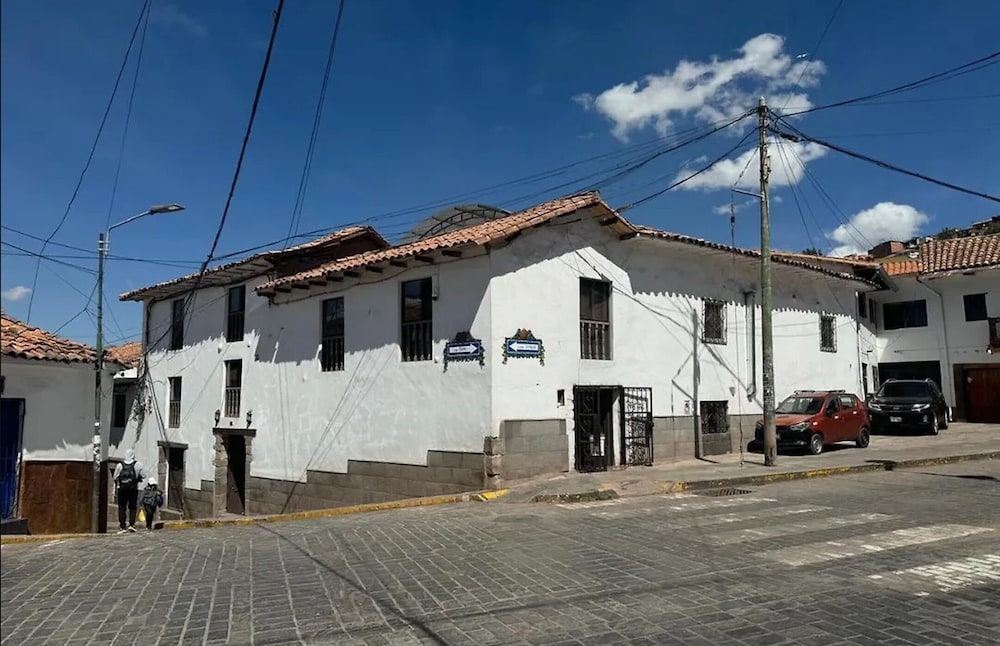
A Plaza de Armas boutique in a restored Inca-stone building near the Cathedral. The kitchen runs a tight Sacred Valley supplier list with strong emphasis on quinoa cooperatives and traditional potato varieties from Cusco-region farms.

Carbon-balanced Check →
Casa Clara by Ananay Hotels — eco-hotel in Cusco #2

Casa Clara by Ananay Hotels

★★★★

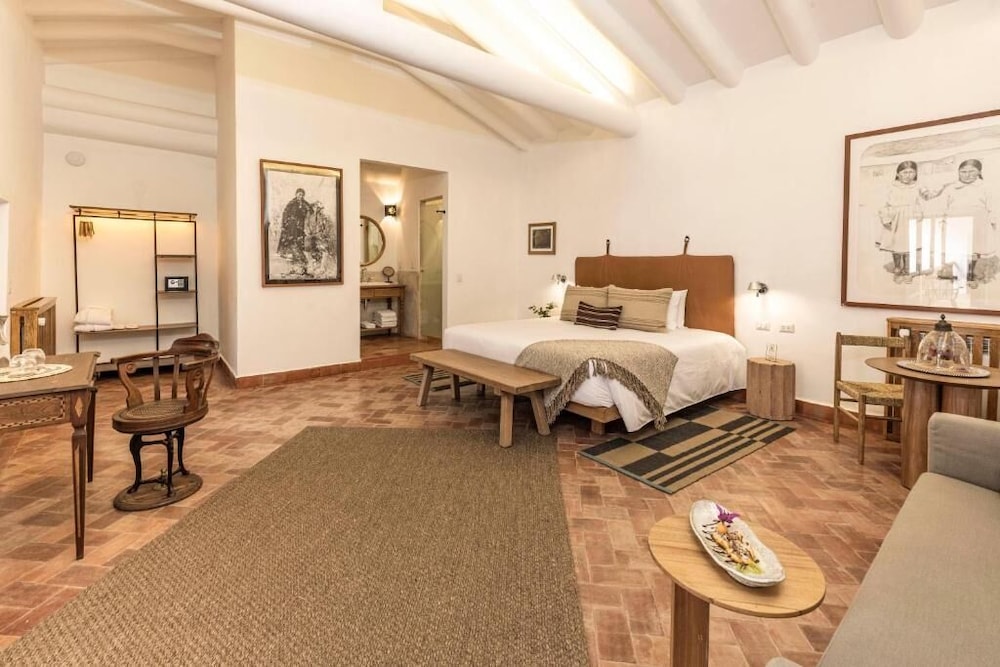
San Blas artisan-quarter stay on the hill above the centre. The property partners with several Quechua-community weaving cooperatives and uses textiles from Awamaki, Center for Traditional Textiles of Cusco.

Carbon-balanced Check →
Auri Hotel Boutique — eco-hotel in Cusco #3

Auri Hotel Boutique

★★★

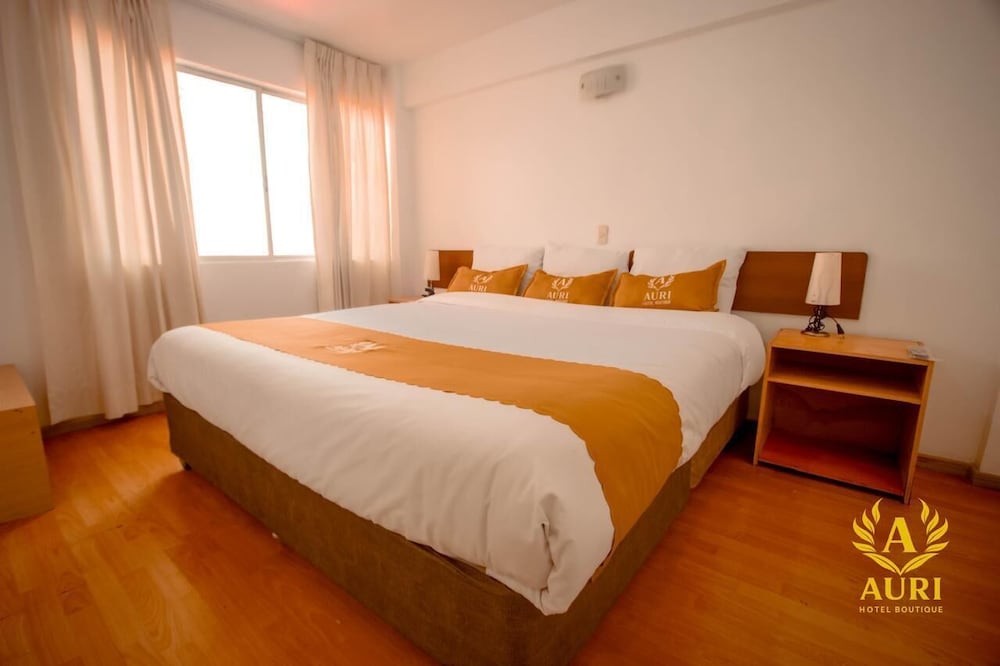
Coricancha-area boutique near the Temple of the Sun. Refillable amenity dispensers throughout, single-use plastics phased out, and a strong waste-segregation programme.

Carbon-balanced Check →
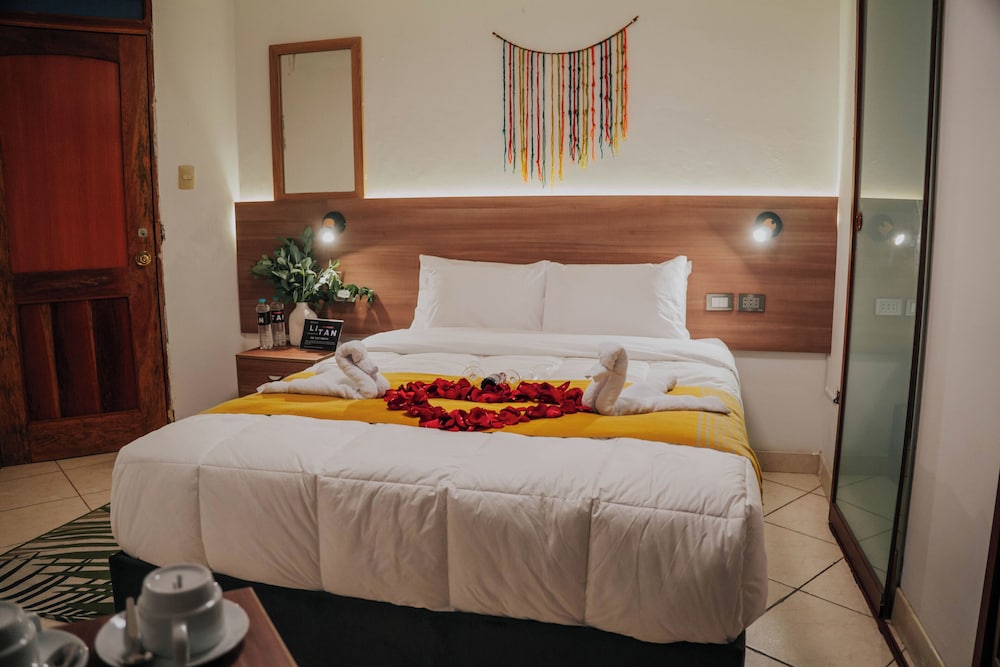
Hotel Litan — eco-hotel in Cusco #4

Hotel Litan

★★★

Compact stay in the San Pedro market district. The owner has invested in solar thermal for hot-water demand (high altitude makes solar viable year-round) and an active community-tree-planting partnership with the Asociación Andes.

Carbon-balanced Check →
Amankay hotel cusco — eco-hotel in Cusco #5

Amankay hotel cusco

★★★

Modern build near Wanchaq station, useful for PeruRail arrivals via the Sacred Valley to Ollantaytambo and Machu Picchu. The hotel holds an EarthCheck Bronze certification.

Carbon-balanced Check →
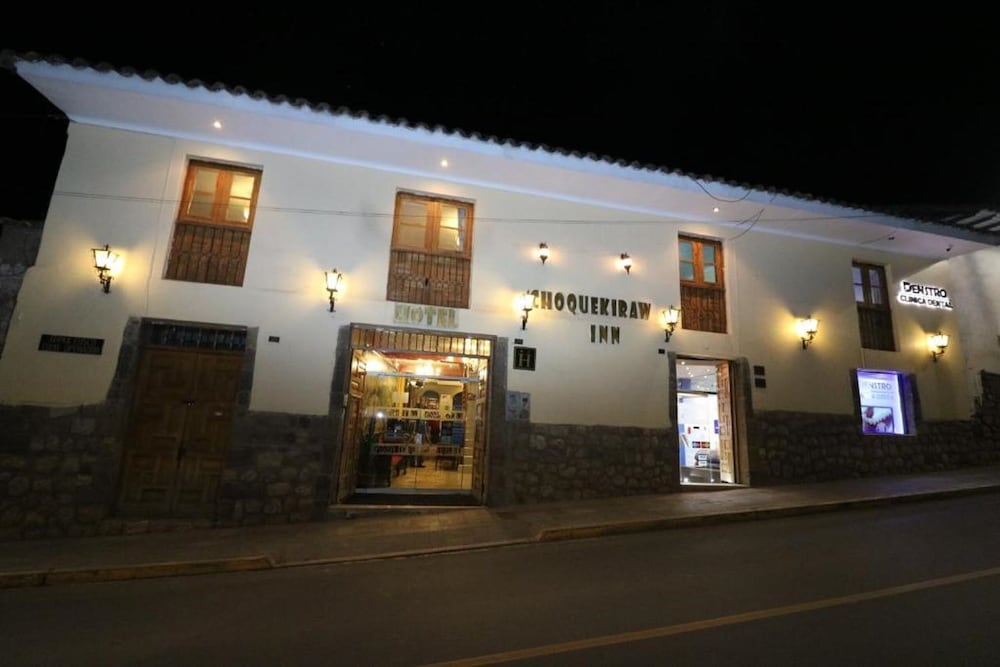
Hotel Choquequirao — eco-hotel in Cusco #6

Hotel Choquequirao

★★★

Sister property in the Tullumayo district. Heat-recovery ventilation is rare at this altitude but the property has invested in high-efficiency electric heating for guest rooms.

Carbon-balanced Check →
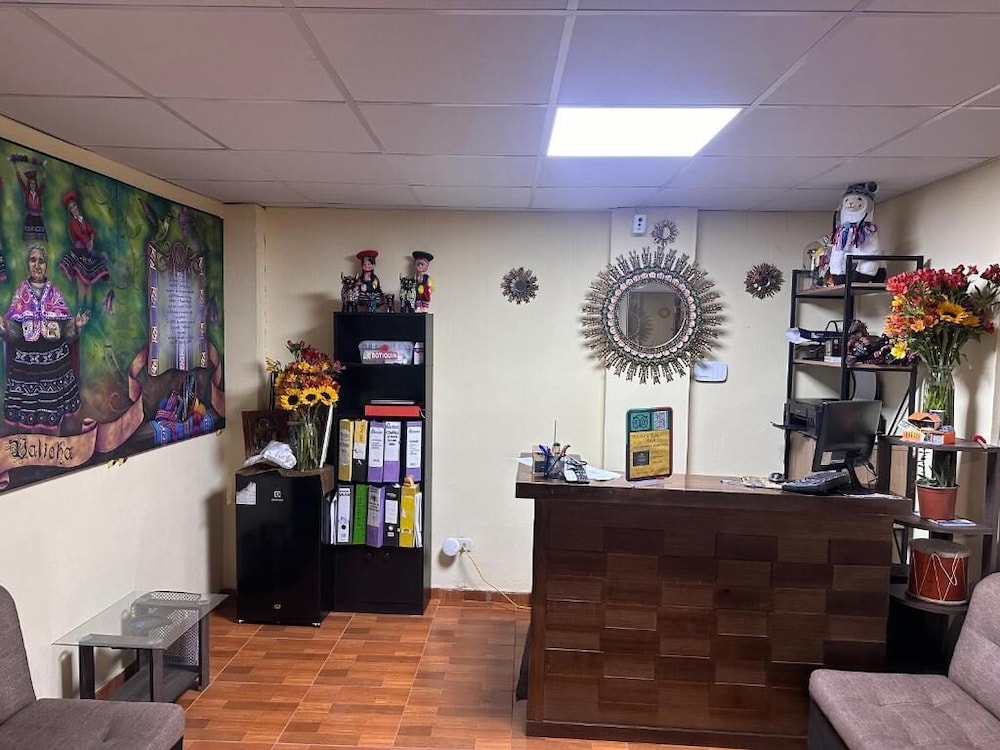
Valicha Casa Hotel — eco-hotel in Cusco #7

Valicha Casa Hotel

★★★

Boutique near Plaza San Francisco, popular with longer cultural visits. Compostable amenities throughout, organic Peruvian toiletries (with Andean-women cooperative partnership).

Carbon-balanced Check →
Qasana Hotel Plaza Calca — eco-hotel in Cusco #8

Qasana Hotel Plaza Calca

★★★

Sister property near the Inka Museum and Plaza Nazarenas. The hotel runs solar thermal panels on its colonial-tiled roof.

Carbon-balanced Check →
Ecoterra Hoteles Plaza — eco-hotel in Cusco #9

Ecoterra Hoteles Plaza

★★★

Quieter Avenida del Sol stay popular with longer business visits. The owner runs an active partnership with a Sacred Valley reforestation NGO restoring native polylepis forest.

Carbon-balanced Check →
Parque Hotel Cusco — eco-hotel in Cusco #10

Parque Hotel Cusco

★★★

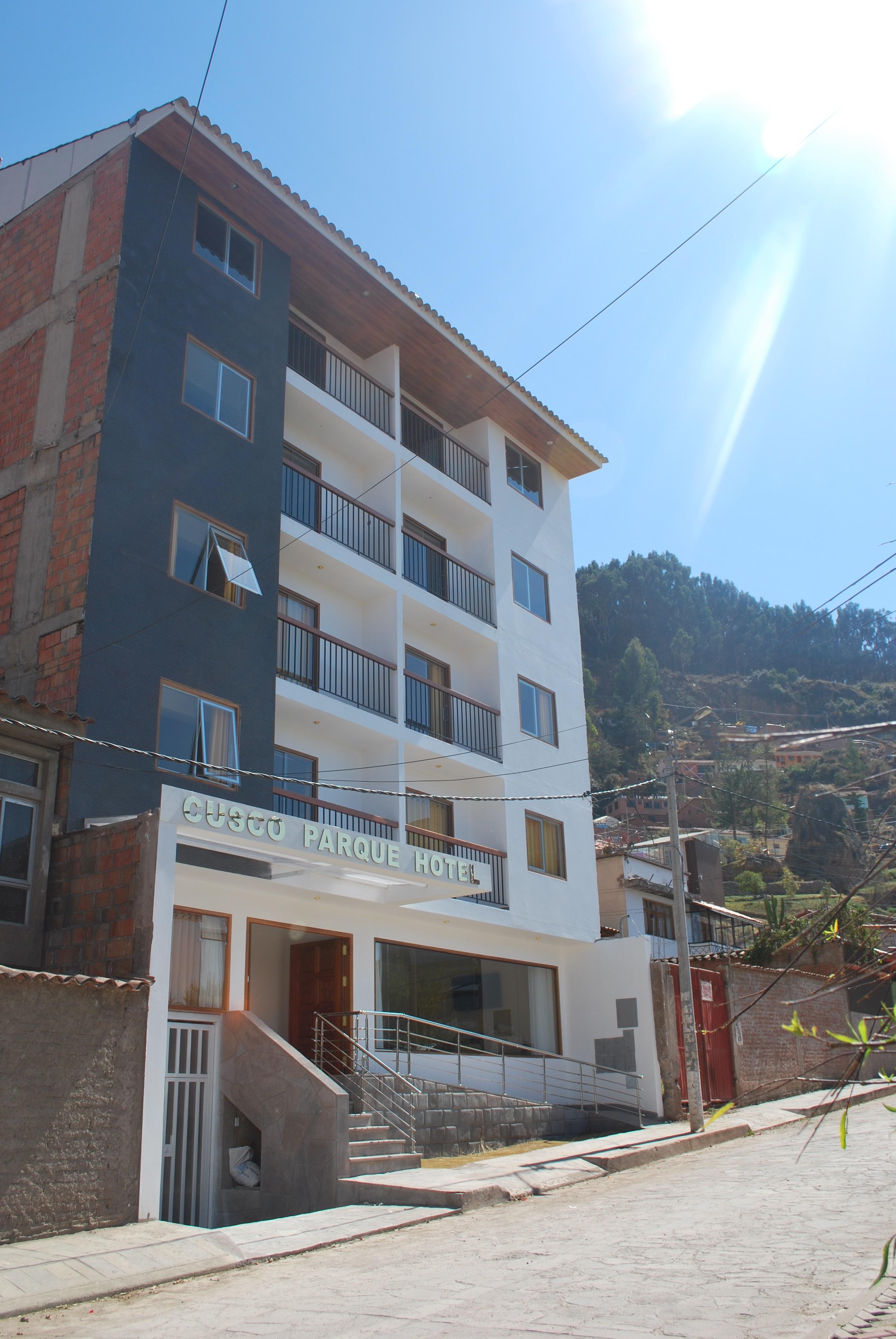
Modern hotel near Cusco airport, useful for longer Machu Picchu trips. The building runs on a hybrid grid-and-solar system and operates demand-controlled HVAC.

Carbon-balanced Check →
Plaza De Armas — eco-hotel in Cusco #11

Plaza De Armas

★★★

Compact San Blas family-run boutique with views over the city. The owner has invested in solar PV on the roof and works closely with traditional Cusco artisan suppliers for textiles and amenities.

Carbon-balanced Check →
Hotel Residencia De Los Andes Cuzco — eco-hotel in Cusco #12

Hotel Residencia De Los Andes Cuzco

★★★

Conference-friendly hotel near the Convention Centre, with high-efficiency cooling, demand-controlled HVAC, and a strong recycling programme.

Carbon-balanced Check →

Why choose eco-travel in Cusco?

Cusco's sustainability story is inseparable from community tourism. The Sacred Valley's quechua-speaking communities supply much of the city's food, textiles and tourist services, and the way hotels partner with those communities determines whether visitor money strengthens or undermines local economies. The better operators run formal cooperative-partnership programmes — Awamaki, Center for Traditional Textiles, the Asociación Andes, and various Sacred Valley reforestation NGOs. Peru's electricity grid runs over 60% renewable in a typical year. IMPT layers a verified 1-ton CO₂ removal on every booking at no extra cost.

Frequently asked questions

What makes a hotel in Cusco 'eco-certified'?

Most certified Cusco hotels hold either EarthCheck, Travelife, or the Peruvian 'CALTUR' national sustainability label. Many also hold formal community-partnership status with Sacred Valley cooperatives (Awamaki, Center for Traditional Textiles of Cusco, Threads of Peru). IMPT adds a verified 1-ton CO₂ offset to every booking regardless of certification.

Are eco-hotels in Cusco more expensive?

No. Booking through IMPT costs the same as direct. The CO₂ removal is paid from IMPT's commission. Cusco rates spike around Inti Raymi (24 June), the dry-season high (May-September), and Christmas-New Year holidays — that's demand-driven.

When is the best time to visit Cusco for an eco-friendly trip?

April-May and September-October are ideal — dry season with clear views to Machu Picchu, but lighter crowds than June-August. The Inti Raymi festival (24 June) is spectacular but expensive. November-March is the wet season — lush green landscapes but Inca Trail closed in February.

How do I get around Cusco without a car?

The historic centre is genuinely walkable — Plaza de Armas to San Blas and back is a 30-minute round trip. The local combi (shared minivan) network covers the wider city. For day trips to the Sacred Valley, shared shuttles or PeruRail trains are the standard low-impact options. The altitude makes walking uphill harder than expected; pace yourself for the first 48 hours.

How do I visit Machu Picchu from Cusco sustainably?

PeruRail's Vistadome and Expedition services run from Poroy or Ollantaytambo to Machu Picchu Pueblo, then bus or hike up to the citadel. This is significantly lower-carbon than any private alternative. The Inca Trail (4 days) is the lowest-impact option but requires permits months ahead. Several Cusco eco-hotels can arrange permits and partner with licensed porter-rights tour operators (the Porters' Welfare programme matters).

Plan a Cusco stay that gives back

Same price as direct booking. No hidden fees. Every reservation removes one UN-verified ton of CO₂ — paid from our commission, never added to your bill.

Search 12 eco-hotels in Cusco →