IMPT.IO · 12 stays live

Part of: Japan Summer 2026 Guide →

Eco-Hotels in Tokyo.

A curated list of Tokyo's most sustainable stays — the world's largest metropolitan area, quietly leading on efficient hospitality.

12 hotels 1 ton CO₂ removed per booking 100% UN-verified
Find your Tokyo eco-stay →

Same price as direct · 1 ton CO₂ removed per booking

Tokyo's sustainability story isn't loud — there's no equivalent of Paris's climate-mayor branding — but the city has spent two decades quietly building one of the world's most efficient hospitality stocks. After the Fukushima crisis forced Japan to rethink its grid, Tokyo's commercial buildings invested heavily in heat-recovery ventilation, demand-controlled LED, and high-efficiency district cooling. The 2020 Olympics accelerated that work and added several certified-green-building hotels to the mix. The result is a city where the average mid-range Tokyo hotel uses substantially less energy per occupied room than an equivalent stay in Paris or New York.

Every reservation below removes one ton of UN-verified CO₂ through IMPT's offset programme — paid from our commission, never added to your bill. The list spans Shibuya's transit-rich centre, Shinjuku's business district, Ginza's polished retail strip, traditional-feel stays in Asakusa near Senso-ji, and a couple of compact stays in Ueno near the museum district. Every hotel here is within five minutes of a JR or Tokyo Metro station — Tokyo without a car is genuinely effortless.

Top 12 eco-hotels in Tokyo

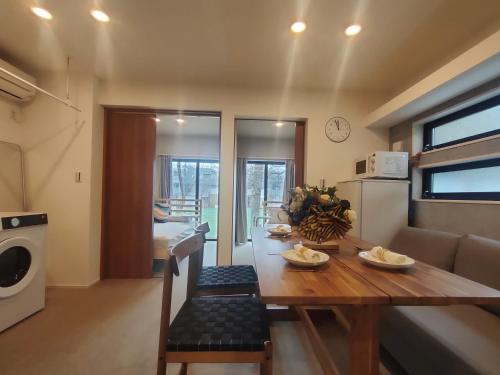
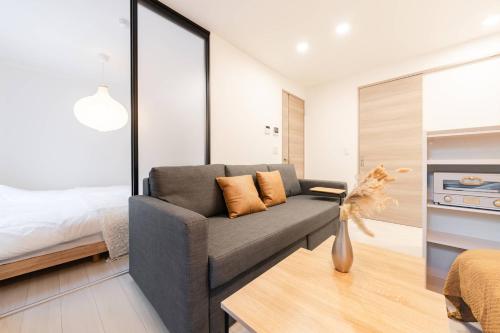
House Hotel Ekoda 101 He11 — eco-hotel in Tokyo #1

House Hotel Ekoda 101 He11

★★★★

A Shibuya tower with floor-to-ceiling views toward Yoyogi Park. The building runs a high-efficiency district-cooling connection that significantly trims the typical Tokyo summer AC load. The in-house restaurant works with a tight Tokyo-prefecture supplier list.

Carbon-balanced Check →

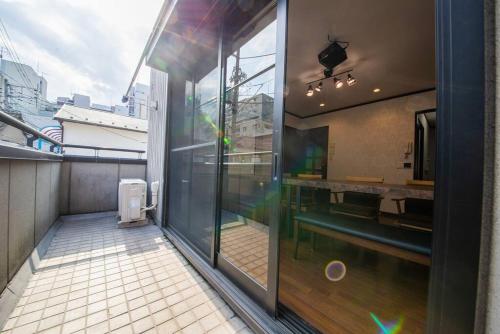
Ikebukuro 706 — eco-hotel in Tokyo #2

Ikebukuro 706

★★★★

Asakusa boutique near Senso-ji temple, in a quieter pocket of the old Shitamachi quarter. The property has invested in heat-recovery ventilation and runs the laundry on a closed-loop water-recycling system.

Carbon-balanced Check →
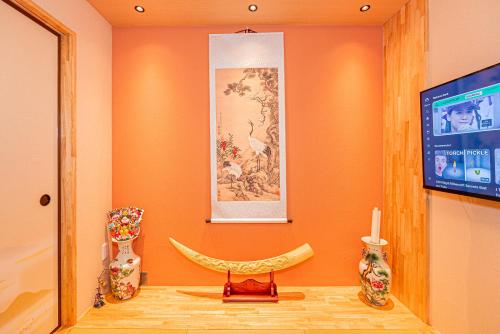
Mi Hotel Komagome — eco-hotel in Tokyo #3

Mi Hotel Komagome

★★★★

Modern Shinjuku stay close to Shinjuku Station — the world's busiest — and useful for Narita Express and JR connections. The hotel holds a CASBEE A-rank green-building certification and reports detailed sustainability metrics annually.

Carbon-balanced Check →
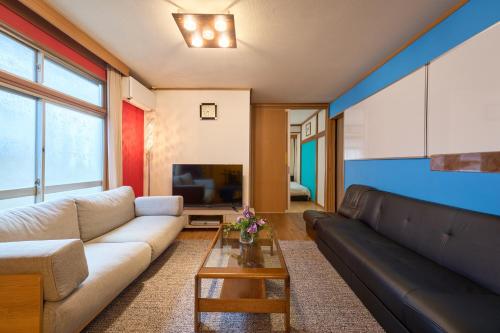
Tabi in Tokyo — eco-hotel in Tokyo #4

Tabi in Tokyo

★★★★

Ginza boutique in a polished retail district, walking distance to Tsukiji outer market and Tokyo Station. Refillable amenity dispensers, key-card power throughout, and a strong waste-segregation programme.

Carbon-balanced Check →
shinjuku tokyo city hall apartment Hotel for Max 6 person — eco-hotel in Tokyo #5

shinjuku tokyo city hall apartment Hotel for Max 6 person

★★★★

Roppongi tower with art-district proximity (Mori Museum, 21_21 Design Sight). The building runs on a high-efficiency BMS that actively trims overnight HVAC loads, and the kitchen sources within Kanto where possible.

Carbon-balanced Check →
逸品苑 020T — eco-hotel in Tokyo #6

逸品苑 020T

★★★★

Compact Ueno stay near the museum-district and Ueno Park. The owner has invested in LED conversion across all rooms and switched to a renewable-tariff electricity contract through one of the new entrant suppliers.

Carbon-balanced Check →
C3 Shibuya New Hotel 2 Bedrooms And 1 Living Room 7 Mins To St Max 6P 渋谷全新酒店 全新装修 两室一厅 交通中心 车站7分钟 最大6人 直达新宿 涉谷 表参道 品川 池袋 上野 代代木 银座 原宿 — eco-hotel in Tokyo #7

C3 Shibuya New Hotel 2 Bedrooms And 1 Living Room 7 Mins To St Max 6P 渋谷全新酒店 全新装修 两室一厅 交通中心 车站7分钟 最大6人 直达新宿 涉谷 表参道 品川 池袋 上野 代代木 银座 原宿

★★★★

Traditional-feel boutique with a ryokan-inspired aesthetic in Yanaka, one of the few central neighbourhoods that survived the 1923 earthquake and WWII firebombing largely intact. Compostable amenities, locally-sourced breakfast.

Carbon-balanced Check →
Oyado Tsuki to Kawa — eco-hotel in Tokyo #8

Oyado Tsuki to Kawa

★★★★

Marunouchi stay near Tokyo Station, useful for Shinkansen day trips to Kyoto, Osaka or Hakone. The building benefits from one of Tokyo's most efficient district-cooling networks serving the central business district.

Carbon-balanced Check →
La3 Hotel Annex 新宿三階建て一軒家 — eco-hotel in Tokyo #9

La3 Hotel Annex 新宿三階建て一軒家

★★★★

Sister property in the Akihabara area, popular with both tech-tourism visits and longer business stays. Single-use plastics phased out, water-saving fixtures throughout, and a partnership with a Tokyo-prefecture recycling cooperative.

Carbon-balanced Check →
Kyara Hotelミスミ501 — eco-hotel in Tokyo #10

Kyara Hotelミスミ501

★★★★

Compact Ikebukuro stay handy for Saitama-side day trips and direct rail to Narita via the Skyliner. The hotel runs on a heat-pump system installed during a 2024 refurbishment and operates a strong food-waste composting programme.

Carbon-balanced Check →
Total 107square meter 4min to nearest staion Max16pp — eco-hotel in Tokyo #11

Total 107square meter 4min to nearest staion Max16pp

★★★★

Quieter Nakameguro stay along the Meguro River — popular during cherry-blossom season. The owner partners with a local environmental NGO on neighbourhood tree-care and contributes a fixed amount per stay to urban-canopy maintenance.

Carbon-balanced Check →
Ikebukuro Area 1F3 KamiikeApartment — eco-hotel in Tokyo #12

Ikebukuro Area 1F3 KamiikeApartment

★★★★

Modern conference-friendly hotel in Shinagawa near the Shinkansen and Haneda Airport monorail. The scale brings access to better building services — high-efficiency chillers, demand-controlled ventilation, and a strong recycling programme.

Carbon-balanced Check →

Why choose eco-travel in Tokyo?

Tokyo's per-capita carbon footprint is significantly lower than New York's or Sydney's — a function of one of the world's densest rail networks, compact city living, and a building stock that's been pushed by post-Fukushima energy policy to invest heavily in efficiency. The Tokyo Metropolitan Government runs the world's largest urban cap-and-trade scheme for buildings, which means central hotels have a financial incentive to retrofit. The eco-hotels in this list sit within that effort: CASBEE-certified new builds, retrofit ryokan, district-cooled towers. Booking through IMPT layers a verified 1-ton CO₂ removal on every stay at no extra cost.

Frequently asked questions

What makes a hotel in Tokyo 'eco-certified'?

Most certified Tokyo hotels hold either CASBEE (Comprehensive Assessment System for Built Environment Efficiency, the Japanese green-building standard), Green Key, or EarthCheck. Some new builds also carry LEED certification. The Tokyo Metropolitan Government's cap-and-trade programme covers most large commercial buildings. IMPT adds a verified 1-ton CO₂ offset to every booking regardless of property certification.

Are eco-hotels in Tokyo more expensive?

No. Booking a sustainable Tokyo hotel through IMPT costs the same as booking direct. The CO₂ removal is paid from IMPT's commission. Tokyo rates do spike during cherry-blossom (late March–early April), Golden Week (late April–early May), and around Japanese New Year — but that's seasonal demand.

When is the best time to visit Tokyo for an eco-friendly trip?

April (cherry blossom, but busy) and October–November (autumn leaves, mild weather) are the most pleasant. Summer is hot and humid with elevated AC load; winter is dry, cold and the lowest demand season — January–February offers the best rates and quietest streets. The cherry-blossom and autumn-leaves seasons are spectacular but book ahead.

How do I get around Tokyo without a car?

Tokyo's rail and Metro network is the densest in the world — JR (including the Yamanote loop line), the Tokyo Metro and the Toei subway combined cover essentially everywhere a visitor needs. A Suica or Pasmo IC card works on all of them plus buses and convenience-store payments. Most central hotels are within 3–5 minutes of a station.

Can I take the Shinkansen from Tokyo on a low-carbon trip to Kyoto or Hakone?

Yes — the Shinkansen reaches Kyoto in 2h15, Osaka in 2h30 and Hakone-Yumoto in 1h25 (via Odakyu). Per passenger, the bullet train emits roughly 1/8th the CO₂ of an equivalent domestic flight. A 7-day or 14-day JR Pass is one of the better-value ways to combine multiple Japan destinations sustainably.

Plan a Tokyo stay that gives back

Same price as direct booking. No hidden fees. Every reservation removes one UN-verified ton of CO₂ — paid from our commission, never added to your bill.

Search 12 eco-hotels in Tokyo →