SUMMER 2026 · 7 destinations

Eco Summer in Ireland.

The 2,500 km Wild Atlantic Way (the world's longest defined coastal route), a Gulf Stream-warmed climate, Dublin's tech-and-pub combination, and Cork's food-capital status — seven Irish destinations where summer 2026 can be both unforgettable and carbon-balanced.

7 destinations 1 ton CO₂ removed per booking 100% UN-verified
Find your Ireland eco-stay →

Same price as direct · 1 ton CO₂ removed per booking

Ireland's grid is decarbonising faster than almost any in Europe — onshore and offshore wind already supply roughly 40% of annual electricity, with a 80% renewable target locked in by 2030. The Gulf Stream keeps the entire island in the 14–20°C summer band, the Wild Atlantic Way runs an unbroken 2,500 km from Donegal to West Cork as the world's longest defined coastal route, and the EirGrid interconnectors with Britain and France smooth the wind intermittency. Add Fáilte Ireland's Sustainable Tourism Network (the country's national certification programme) and one of Europe's densest concentrations of small, family-run hotels — and Ireland is among the easiest summer destinations to travel low-impact.

Every reservation below removes one verified ton of CO₂ through IMPT's offset programme — paid from our commission, never added to your bill. Ireland is in the EU, uses the Euro, and drives on the left (the same as the UK). The seven destinations span the east coast (Dublin, Kilkenny), the south (Cork, Killarney, Dingle), and the wilder west and north-west (Galway, Sligo) — each picked for sustainability infrastructure as much as for landscape.

Top 7 eco destinations in Ireland

Dublin eco-travel in Ireland #1
Leinster

Dublin

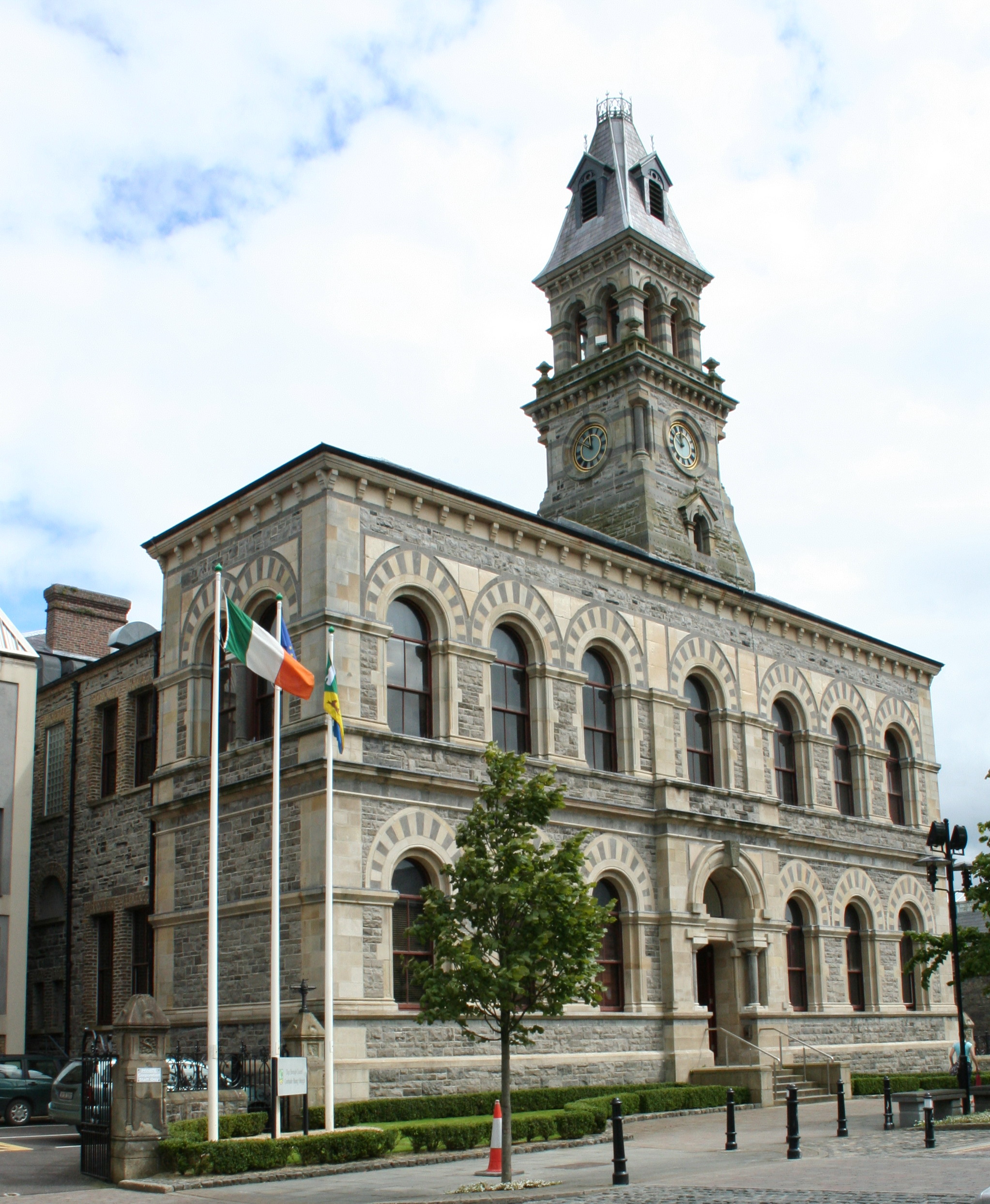
The capital is now the EU's third-largest tech hub by employment — Google, Meta and Stripe all have European HQs here — and the Luas tram and DART suburban rail cover the centre and the bay end-to-end on renewable-leaning electricity. Trinity College's Book of Kells, the Guinness Storehouse, and the literary pub circuit (Davy Byrnes, the Brazen Head) sit within a 2 km walk of each other. Most central hotels hold Fáilte Ireland Sustainable Tourism certifications.

Highlights: Book of Kells at Trinity College · Guinness Storehouse Gravity Bar · Temple Bar & literary pubs · Phoenix Park & Áras an Uachtaráin

Best: May–Sep Browse stays →
Cork eco-travel in Ireland #2
Munster

Cork

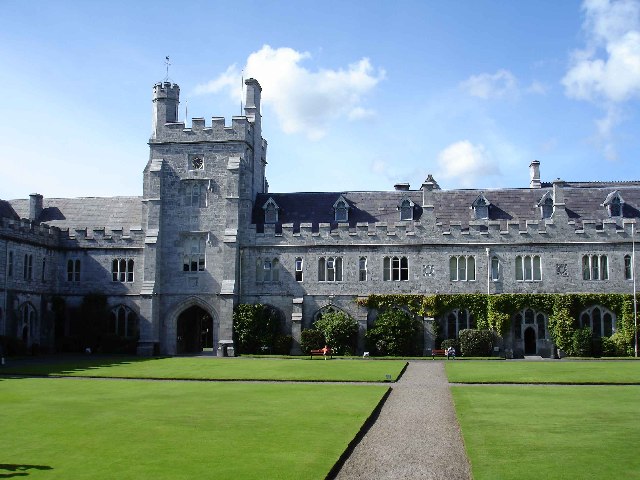
Ireland's food capital and second city — the English Market (open since 1788) is one of Europe's oldest continuously trading covered markets, and the Ballymaloe Cookery School in nearby Shanagarry has spawned a regional food scene that runs from Kinsale to West Cork. The 19th-century city centre is compact and walkable, the new Marina Park reclaims old port land as a riverside green corridor, and the GAA hurling capital sits at Páirc Uí Chaoimh.

Highlights: English Market · Cork City Gaol · Cobh & Titanic heritage trail · Blarney Castle

Best: May–Sep Browse stays →
Galway eco-travel in Ireland #3
Connacht

Galway

The capital of the west and the official midpoint of the Wild Atlantic Way — Galway's mediaeval Latin Quarter is a 600 m strip of music pubs, oyster bars and craft shops that becomes the country's busiest cultural quarter every July during the Galway International Arts Festival. The city is the launch point for the Cliffs of Moher (south), the Aran Islands (west) and Connemara (north-west), all reachable by Bus Éireann or the new electric ferry fleet.

Highlights: Latin Quarter & Spanish Arch · Cliffs of Moher day trip · Aran Islands ferry · Connemara National Park

Best: May–Sep Browse stays →
Killarney eco-travel in Ireland #4
Munster

Killarney

The gateway to Killarney National Park — Ireland's first national park (1932) and the country's largest area of native broadleaf woodland — and the eastern base for the 179 km Ring of Kerry coastal drive. The town has banned coach traffic from the lake roads, and Muckross House and the Gap of Dunloe can only be reached by jaunting car (horse-drawn), bike, kayak or boat. Most lakeshore hotels run on the Fáilte Sustainable Tourism standard.

Highlights: Killarney National Park & Muckross House · Gap of Dunloe pony or bike · Ring of Kerry drive · Ross Castle & lake boat

Best: May–Sep Browse stays →
Kilkenny eco-travel in Ireland #5
Leinster

Kilkenny

Ireland's mediaeval capital and the country's best-preserved walled town — Kilkenny Castle anchors the Norman 'Mile' that runs through the Black Abbey, St Canice's Cathedral and the Smithwick's brewery (the country's oldest, founded 1710). The town is the centre of the Irish craft revival — the National Design and Craft Gallery sits in the castle stables — and most boutique hotels run on Travelife or Green Hospitality certifications.

Highlights: Kilkenny Castle · St Canice's Round Tower climb · Mediaeval Mile walk · Smithwick's Experience

Best: May–Sep Browse stays →
Sligo eco-travel in Ireland #6
Connacht

Sligo

Yeats country — the poet is buried under Benbulben, the flat-topped mountain that dominates the Sligo skyline, and his early-life landscapes (Lough Gill, Glencar waterfall, the Isle of Innisfree) sit within 20 km of the town. Sligo is the surfing capital of Ireland (Strandhill and Mullaghmore both host European-tour events), and the EUR-Atlantic wind off the bay drives one of the country's biggest offshore wind clusters.

Highlights: Benbulben & Yeats's grave · Strandhill surf beach · Lough Gill & Innisfree · Carrowmore megalithic cemetery

Best: May–Sep Browse stays →
Dingle eco-travel in Ireland #7
Munster

Dingle

The far-western Dingle Peninsula is one of the last Gaeltacht (Irish-speaking) regions and the most westerly habitation in Europe — the Slea Head Drive loops 47 km past beehive huts, the Blasket Islands viewpoint and Dunquin pier. Dingle town has more pubs per capita than anywhere in Ireland and is small enough that most hotels and B&Bs work directly with the local Sustainable Travel Ireland scheme. The harbour seal colony is a year-round resident.

Highlights: Slea Head Drive loop · Blasket Islands viewpoint · Dunquin pier zigzag · Dingle pub music scene

Best: May–Sep Browse stays →

Why summer eco-travel in Ireland?

Ireland sits at the structural intersection of one of Europe's fastest-growing wind sectors (40% of electricity in 2025, target 80% by 2030), the world's longest defined coastal route (2,500 km of Wild Atlantic Way), and a Gulf Stream-warmed climate that keeps the entire island in the 14–20°C summer band. Fáilte Ireland's Sustainable Tourism Network is the national hotel-certification programme, and the six national parks (Killarney, Connemara, Burren, Glenveagh, Wicklow Mountains, Ballycroy) enforce strict planning rules around their hotel clusters. The 200+ km of public greenways (Waterford, Limerick, Great Western) make car-free regional travel genuinely viable. IMPT layers a UN-verified 1-ton CO₂ removal on every booking — at no extra cost, paid from our commission.

Frequently asked questions

When is the best time to visit Ireland for a sustainable summer?

June, July and early September deliver the longest days (17 hours of light around the summer solstice) and the warmest sea temperatures (14–16°C, swimmable on the south coast). August is the busiest month for both domestic and international travel, especially on the Ring of Kerry and the Dingle Peninsula. Expect rain in any month — the Gulf Stream cuts both ways.

How do I travel around Ireland without a car?

Iarnród Éireann (Irish Rail) connects Dublin to Cork (2h30), Galway (2h30), Killarney (3h15) and Sligo (3h00) on direct services. Bus Éireann fills the gaps to Dingle, Connemara and the Wild Atlantic Way coastal towns, and the new TFI Local Link rural network has dramatically extended weekend coverage. Per passenger, rail emits roughly 75% less CO₂ than the equivalent rental-car day.

Are eco-hotels in Ireland more expensive than regular hotels?

No. Booking through IMPT costs the same as booking direct — the carbon removal is paid from IMPT's commission, not added to your bill. Irish hotel rates peak around major sporting events (All-Ireland finals in September), Dublin city-break weekends, and the August Bank Holiday — that's pure supply-and-demand, not an eco-premium.

Which Irish destination is best for first-time visitors?

Dublin + Galway + Killarney is the classic three-base combination. Spend two or three nights in the capital, then take the direct train west to Galway for the Wild Atlantic Way coastline (Cliffs of Moher, Connemara), and finish in Killarney for the national park and the Ring of Kerry. Five to seven nights is the ideal window.

How does IMPT make an Irish hotel booking carbon-neutral?

Every reservation triggers a verified one-tonne CO₂ removal — UN-certified, paid from our commission. The offset is sourced from a portfolio of reforestation and renewable-energy projects in the Mediterranean basin and East Africa, and is enough to fully balance a typical short-haul flight to Dublin or Shannon plus a 4-night stay. See how we carbon-balance every stay.

What is the Wild Atlantic Way?

The Wild Atlantic Way is a 2,500 km signposted touring route that runs the entire western coast of Ireland from Kinsale in West Cork to Malin Head in Donegal — the longest defined coastal route in the world. Fifteen 'signature discovery points' anchor the route, with Galway, Dingle, the Cliffs of Moher, Sligo and Donegal among the most visited stops. Designed for car or bike, but bus and ferry sections work for car-free travellers.

Plan a Ireland summer that gives back

Same price as direct booking. No hidden fees. Every reservation removes one UN-verified ton of CO₂ — paid from our commission, never added to your bill.

Search 7 Ireland destinations →