IMPT.IO · 12 stays live

Part of: Japan Summer 2026 Guide →

Eco-Hotels in Kyoto.

A curated list of Kyoto's most sustainable stays — Japan's former imperial capital, where 1,200 years of tradition meet CASBEE engineering.

12 hotels 1 ton CO₂ removed per booking 100% UN-verified
Find your Kyoto eco-stay →

Same price as direct · 1 ton CO₂ removed per booking

Kyoto has become Japan's testing ground for how a UNESCO-listed historic city absorbs mass tourism without losing what makes it valuable. The municipal authorities have introduced strict rules on machiya (traditional townhouse) conversion, restrictions on private rentals in residential districts, and a comprehensive sustainability framework for hotels. Japan's electricity grid is shifting toward renewables after the post-Fukushima nuclear pause, and Kyoto-prefecture hotels operate under the same CASBEE building-standards regime that drives Tokyo's efficiency. The bus network is genuinely dense, and the JR and Hankyu lines handle most longer-distance travel.

Every reservation below removes one ton of UN-verified CO₂ through IMPT's offset programme — paid from our commission, never added to your bill. The list spans Gion's traditional geisha quarter, the central Karasuma-Shijo area, the Arashiyama bamboo-grove district, Higashiyama's temple-rich east side, and a couple of well-connected stays near Kyoto Station for Shinkansen arrivals.

Top 12 eco-hotels in Kyoto

Kyoto Pleasant Hotel — eco-hotel in Kyoto #1

Kyoto Pleasant Hotel

★★★★★

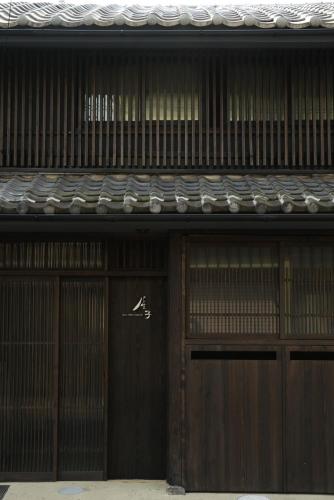
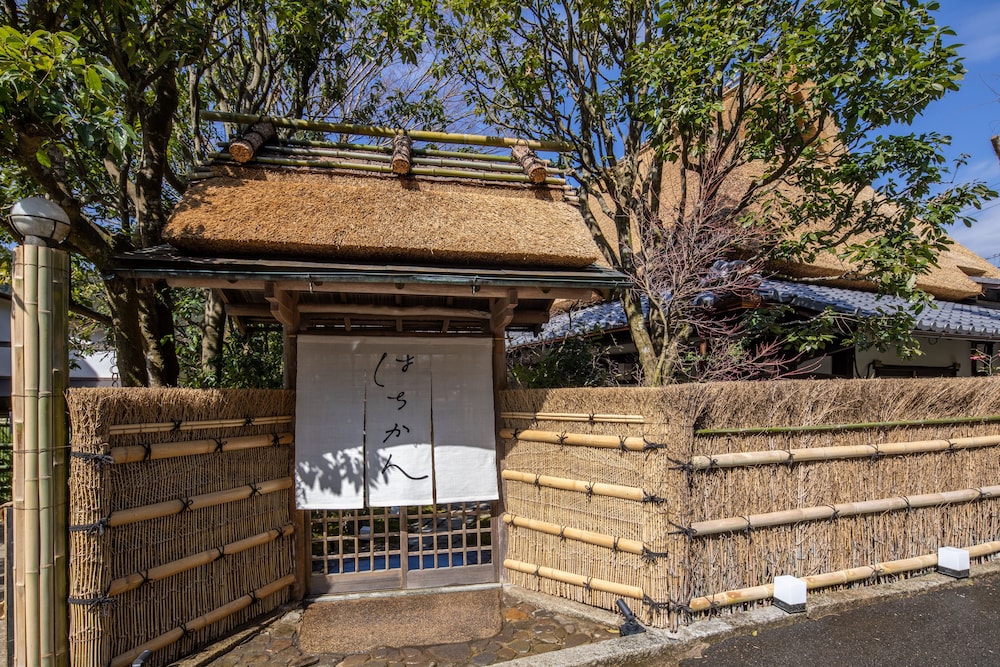
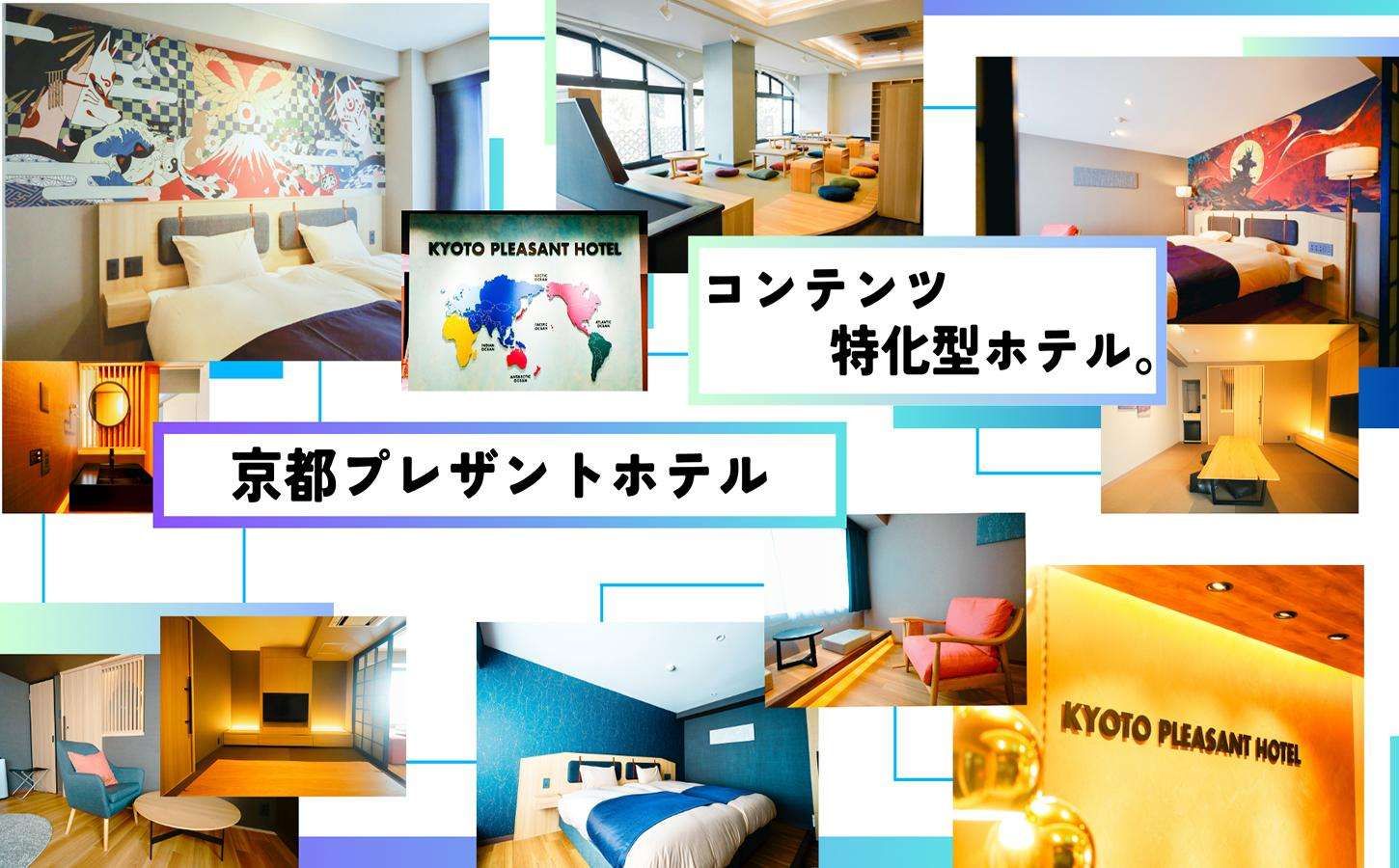
A Gion boutique in a restored machiya townhouse near Yasaka Shrine. Recent retrofits added internal insulation and high-efficiency split AC while preserving the traditional wood-and-paper façade. The kitchen runs a tight Kyoto-prefecture supplier list with strong emphasis on Kyoto-Yasai vegetable cultivars.

Carbon-balanced Check →
Hoshinoya Kyoto — eco-hotel in Kyoto #2

Hoshinoya Kyoto

★★★★★

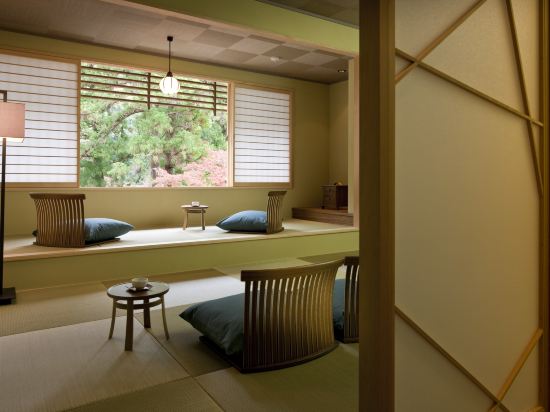
Karasuma-Shijo stay near Nishiki Market (Kyoto's central food market). The property holds a CASBEE A-rank green-building certification and operates a strict no-single-use-plastics policy across all rooms.

Carbon-balanced Check →
Hotel Espasion Pontocho — eco-hotel in Kyoto #3

Hotel Espasion Pontocho

★★★★★

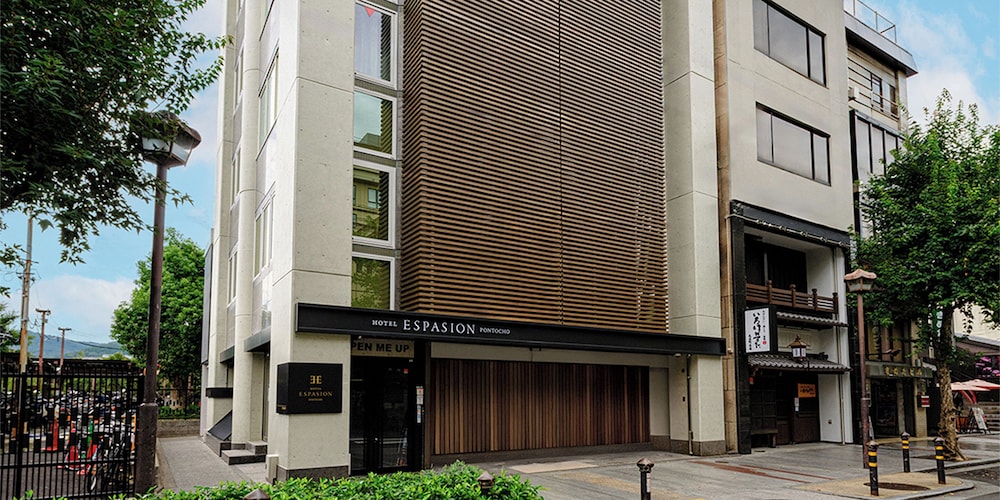
Arashiyama boutique near the bamboo grove and Tenryu-ji Temple. Refillable amenity dispensers throughout, locally-sourced kaiseki breakfast, and a partnership with the Saga-no-Sho bamboo conservation programme.

Carbon-balanced Check →
屋子 Wuz Marutamachi — eco-hotel in Kyoto #4

屋子 Wuz Marutamachi

★★★★★

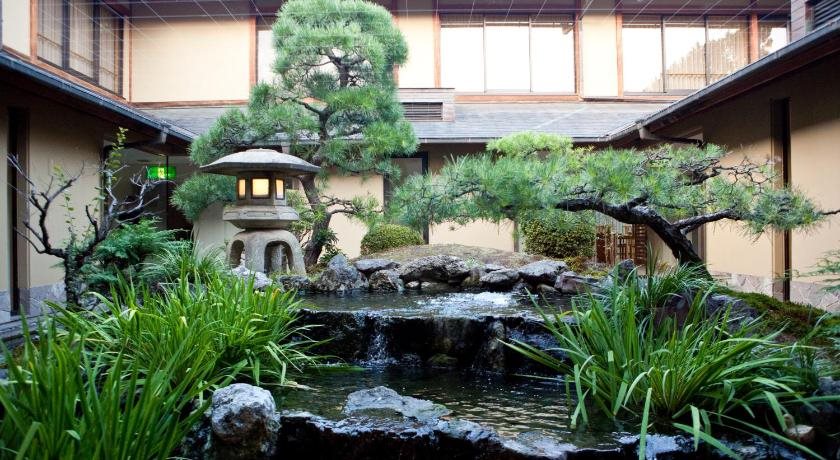
Higashiyama temple-district stay near Kiyomizu-dera, popular with longer cultural visits. The hotel runs solar thermal for hot-water demand and uses native-plant landscaping in the courtyard garden.

Carbon-balanced Check →
KANETSUNE Temple Lodging In Cultural Property — eco-hotel in Kyoto #5

KANETSUNE Temple Lodging In Cultural Property

★★★★

Modern build near Kyoto Station, useful for Shinkansen arrivals from Tokyo, Osaka and Hiroshima, plus direct JR rail to Nara. The building was designed to high Japanese CASBEE A-rank standards.

Carbon-balanced Check →
Kyoyado Usagi — eco-hotel in Kyoto #6

Kyoyado Usagi

★★★★

Compact Pontocho-alley boutique in the geisha quarter along the Kamogawa river. The owner has invested in LED throughout, key-card power, and switched to a certified-renewable electricity contract.

Carbon-balanced Check →
Jinglan Lotus Mansion Vacation STAY 24204v — eco-hotel in Kyoto #7

Jinglan Lotus Mansion Vacation STAY 24204v

★★★★

Sister property in the Nishijin textile quarter, popular with longer cultural stays. The building benefits from a recent thermal retrofit and partners with traditional kimono-weaver cooperatives.

Carbon-balanced Check →
Makita Town Tea Room Vacation STAY 37028v — eco-hotel in Kyoto #8

Makita Town Tea Room Vacation STAY 37028v

★★★★

Quieter Northern Higashiyama stay near the Philosopher's Path, popular with longer-stay visitors. Heat-recovery ventilation, demand-controlled lighting in common areas, and a kitchen sourcing within Kyoto Prefecture.

Carbon-balanced Check →
Nishijinya — eco-hotel in Kyoto #9

Nishijinya

★★★★

Sister property near Ginkaku-ji (Silver Pavilion), useful for combining temple visits with the Kamogawa walks. The hotel works with the Kamogawa river-restoration NGO on water-quality programmes.

Carbon-balanced Check →
Shiki Resort Kyoto Kamogawaso — eco-hotel in Kyoto #10

Shiki Resort Kyoto Kamogawaso

★★★★

Modern hotel near Kawaramachi Station and the central shopping district. The property holds an EarthCheck Bronze certification and operates demand-controlled HVAC across all guest floors.

Carbon-balanced Check →
Hachikan — eco-hotel in Kyoto #11

Hachikan

★★★★

Compact Demachiyanagi family-run ryokan near the river fork. The owner has invested in solar thermal on the roof, refillable amenities, and an active community-temple-maintenance partnership.

Carbon-balanced Check →
Musubi Sanjo Bettei — eco-hotel in Kyoto #12

Musubi Sanjo Bettei

★★★★

Traditional ryokan near Arashiyama with onsen-style bathing, popular with longer wellness stays. The hotel uses geothermal hot-spring water for the baths and partners with the Saga bamboo-grove conservation programme.

Carbon-balanced Check →

Why choose eco-travel in Kyoto?

Kyoto sits in an unusual sustainability frame — 1,200 years of urban culture layered with strict modern preservation rules, plus the same CASBEE building standards and post-Fukushima energy efficiency drive that shapes Tokyo. The municipal government has been one of Japan's strictest on managing tourism pressure: machiya conversion rules, private-rental restrictions in residential districts, and a hospitality sustainability framework that's pulled hotels into measurable per-room reporting. The bus and rail network makes car-free travel effortless. IMPT layers a verified 1-ton CO₂ removal on every booking at no extra cost.

Frequently asked questions

What makes a hotel in Kyoto 'eco-certified'?

Most certified Kyoto hotels hold either CASBEE (the Japanese green-building standard), Green Key, or EarthCheck. Many also participate in the Kyoto Sustainable Tourism programme, which adds a peer-review layer on sourcing and machiya preservation. IMPT adds a verified 1-ton CO₂ offset to every booking regardless of certification.

Are eco-hotels in Kyoto more expensive?

No. Booking through IMPT costs the same as direct. The CO₂ removal is paid from IMPT's commission. Kyoto rates spike around cherry-blossom (late March-early April), autumn-leaf season (mid-November), Golden Week (late April-early May), and Gion Matsuri (July) — that's demand-driven.

When is the best time to visit Kyoto for an eco-friendly trip?

Cherry-blossom (early April) and autumn-leaves (mid-November) are spectacular but the busiest weeks of the year. For lower crowd-pressure: late May-June and late September-October. Summer (July-August) is hot and humid with high AC load. Winter (January-February) is cold but quiet — and the snow-on-Kinkaku-ji photos are iconic.

How do I get around Kyoto without a car?

Kyoto's bus network is dense and efficient, supplemented by the Karasuma and Tozai subway lines and JR rail. A Kyoto City Bus 1-day pass is one of the cheapest ways to cover the major temple districts. Bicycles are widely used by locals — many hotels rent them. Most of the central districts (Gion, Pontocho, Karasuma-Shijo) are walkable.

Can I take the Shinkansen from Kyoto to Tokyo or Osaka sustainably?

Yes — Kyoto Station is a major Shinkansen stop. Tokyo is 2h15 away, Osaka 15 minutes, Hiroshima 1h45, and Nagoya 35 minutes. Per passenger, the Shinkansen emits roughly 1/8th the CO₂ of an equivalent domestic flight. A 7-day or 14-day JR Pass is one of the best-value ways to combine Kyoto with multiple other Japanese cities sustainably.

Plan a Kyoto stay that gives back

Same price as direct booking. No hidden fees. Every reservation removes one UN-verified ton of CO₂ — paid from our commission, never added to your bill.

Search 12 eco-hotels in Kyoto →