SUMMER 2026 · 6 destinations

Cypriot Summer in Cyprus.

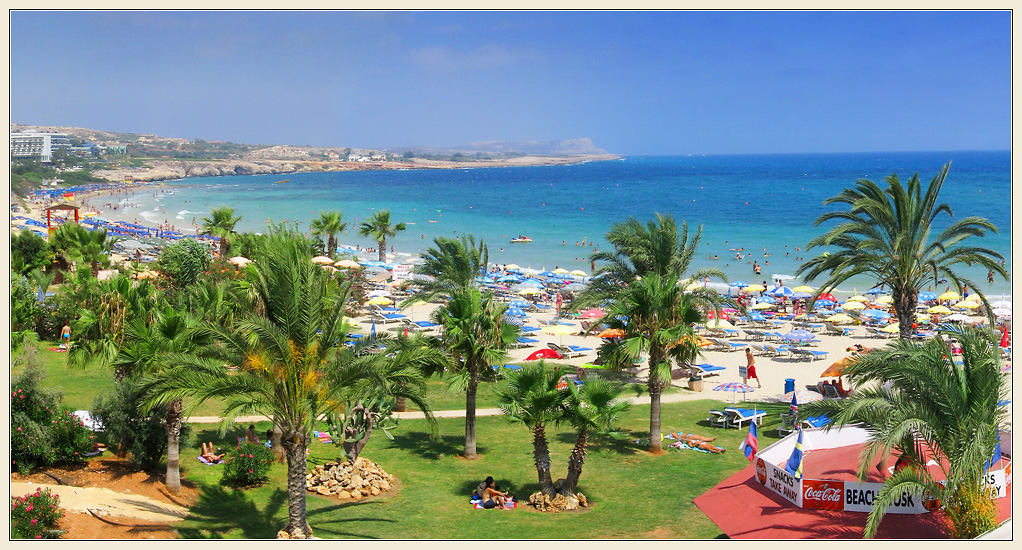
The EU's sunniest member state, Aphrodite's mythical home coast, and the only divided capital left in Europe — six Cypriot destinations where summer 2026 can be both unforgettable and carbon-balanced.

6 destinations 1 ton CO₂ removed per booking 100% UN-verified
Find your Cyprus eco-stay →

Same price as direct · 1 ton CO₂ removed per booking

Cyprus has the highest solar irradiance in the European Union — over 3,300 hours of sunshine a year, more than any other EU member — and is racing to convert that resource into structural advantage. Rooftop solar is now mandatory on new builds, solar-thermal hot water sits on roughly 90% of Cypriot homes (one of the highest household penetration rates in the world), and the national grid is targeting 33% renewables by 2030. For travellers, that means hotel hot water is almost universally solar-heated by default, and the EU-funded EV charger rollout is filling the Limassol–Paphos and Larnaca–Ayia Napa corridors. Add a tight certification base (Travelife and Green Key on the major resorts) plus an integrated bus and inter-city coach network, and Cyprus is one of the highest-solar summer destinations a European can reach without leaving the Eurozone.

Every reservation below removes one verified ton of CO₂ through IMPT's offset programme — paid from our commission, never added to your bill. The six destinations span the southern resort coast (Limassol), the mythological west (Paphos), the eastern beach belt (Larnaca, Ayia Napa, Protaras), and the divided cultural capital (Nicosia) — each picked for sustainability infrastructure as much as for sea views.

Top 6 eco destinations in Cyprus

Limassol eco-travel in Cyprus #1
South

Limassol

Cyprus's largest coastal city and the launch point for the Troodos forests inland — Limassol's seafront promenade runs for 14 km from the old port to the new marina, and the medieval castle anchors a restored old quarter of carob warehouses turned into restaurants and boutique hotels. Day-trip to Kourion's Roman amphitheatre, the Kolossi crusader castle and the Commandaria wine villages on the Troodos foothills.

Highlights: Limassol Marina & Old Port · Kourion Roman ruins · Troodos day trips · Commandaria wine route

Best: May–Oct Browse stays →
Paphos eco-travel in Cyprus #2
West

Paphos

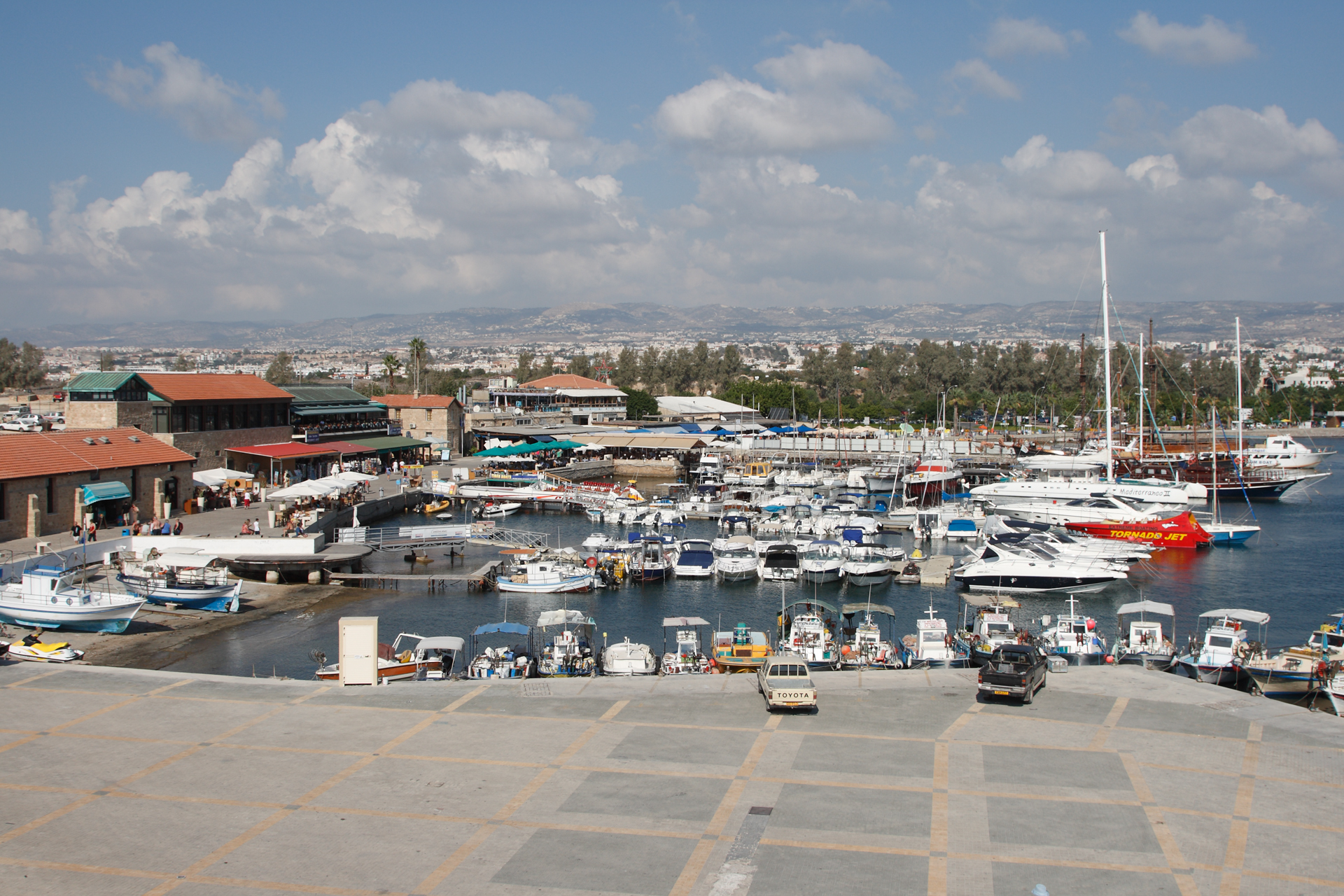
The mythological birthplace of Aphrodite and a UNESCO archaeological park where Roman villa mosaics, the Tombs of the Kings, and a medieval harbour castle sit inside a single walkable zone. North of Paphos, the Akamas peninsula is a strict conservation area with no paved roads, sea-turtle nesting beaches, and the Avakas Gorge — Cyprus's last genuinely wild coastline. Eco-pensions cluster around Polis and Latchi at the Akamas gateway.

Highlights: UNESCO archaeological park · Tombs of the Kings · Akamas peninsula · Aphrodite's Rock (Petra tou Romiou)

Best: May–Oct Browse stays →
Larnaca eco-travel in Cyprus #3
East

Larnaca

The Finikoudes palm-lined promenade fronts Larnaca's main town beach, and the salt lake just inland is a flamingo migration stop — pink between November and March, dry and walkable in summer. The Hala Sultan Tekke mosque on the lake's edge is one of Islam's most important pilgrimage sites in the Mediterranean. Larnaca has Cyprus's main airport, so it's also the natural arrival and departure point.

Highlights: Finikoudes promenade · Hala Sultan Tekke · Larnaca Salt Lake · Stavrovouni Monastery

Best: May–Oct Browse stays →
Nicosia eco-travel in Cyprus #4
Centre

Nicosia

Europe's last divided capital — the UN buffer zone runs through the old town, and the Ledra Street crossing lets you walk between the Greek-Cypriot south and the Turkish-Cypriot north in five minutes. Inside the Venetian walls, the Archbishop's Palace, the Selimiye Mosque (formerly a Gothic cathedral) and the Cyprus Museum sit within a 15-minute walk. Stay inside the walled city for the lowest-impact car-free base.

Highlights: Venetian walls & Ledra crossing · Cyprus Museum · Selimiye Mosque (north) · Büyük Han caravanserai

Best: May–Jun, Sep Browse stays →
Ayia Napa eco-travel in Cyprus #5
East

Ayia Napa

The eastern beach capital, ringed by Cyprus's clearest water and a sea-cave coastline that runs east to Cape Greco's national forest park. Nissi Beach and Konnos Bay are Blue Flag standard, and the new Ayia Napa marina has finally consolidated the boat-trip operators into a single low-emission zone. Visit late May or September for the swimming without the club-night intensity of July–August.

Highlights: Nissi Beach & Makronissos · Cape Greco sea caves · Konnos Bay · Ayia Napa monastery

Best: Jun–Sep Browse stays →
Protaras eco-travel in Cyprus #6
East

Protaras

The quieter neighbour to Ayia Napa, 8 km up the coast inside the Paralimni municipality — Fig Tree Bay's shallow turquoise water has been Blue Flag certified for over twenty consecutive years. The new pedestrian seaside road runs unbroken for several kilometres, the windmill restoration project keeps the inland villages low-impact, and Protaras's resort cluster has the highest density of solar-thermal hotel installations on the island.

Highlights: Fig Tree Bay · Pedestrian seaside road · Protaras Ocean Aquarium · Church of Prophet Elias (sunset)

Best: May–Sep Browse stays →

Why summer eco-travel in Cyprus?

Cyprus sits at the structural intersection of the highest solar irradiance in the European Union (3,300+ hours/year), near-universal household solar-thermal water heating (around 90% of dwellings), and a tight Travelife and Green Key certification base on the major resort coasts. EU membership means harmonised consumer-protection rules and an EU-funded EV charger rollout, while the strict conservation status of the Akamas peninsula and Cape Greco preserves coastlines that competitor destinations have lost to over-development. Inter-city bus and coach connections cover every destination on this list without a car. IMPT layers a UN-verified 1-ton CO₂ removal on every booking — at no extra cost, paid from our commission.

Frequently asked questions

When is the best time to visit Cyprus for a sustainable summer?

Late May, June and September are the sweet spot — sea temperatures are comfortable from June through October (often 26°C+), the heat is manageable, and the eco-resorts offer their lowest rates. July and August bring 35°C+ inland and peak demand on the eastern resort coast; if you have flexibility, shift to the shoulder weeks or head inland to the Troodos mountains where it stays 8–10°C cooler.

How do I get around Cyprus without a rental car?

The inter-city bus network (Intercity Buses Cyprus) links Larnaca airport with Limassol, Paphos, Nicosia and Ayia Napa for under €10 per leg, and urban networks inside each city cover the main beaches and old towns. There is no train system. For the Akamas peninsula and Troodos forests you'll want a rental, but the six coastal destinations on this list are all bus-reachable from Larnaca airport.

Are eco-hotels in Cyprus more expensive than regular hotels?

No. Booking through IMPT costs the same as booking direct — the carbon removal is paid from IMPT's commission, not added to your bill. Cypriot hotel rates do spike around Orthodox Easter, the August peak and the New Year holiday — that's pure supply-and-demand, not an eco-premium.

Which Cypriot destination is best for first-time visitors?

Paphos plus Limassol is the classic combination — three or four nights in Paphos for the UNESCO archaeological park and Akamas, then move east to Limassol for the wine villages, Troodos day trips and Kourion. If you're after pure beach time, base in Protaras and day-trip to Ayia Napa and Cape Greco. Nicosia deserves at least one overnight for the divided old town.

How does IMPT make a Cypriot hotel booking carbon-neutral?

Every reservation triggers a verified one-tonne CO₂ removal — UN-certified, paid from our commission. The offset is sourced from a portfolio of reforestation and renewable-energy projects in the Mediterranean basin and East Africa, and is enough to fully balance a typical short-haul flight to Larnaca or Paphos plus a 4-night stay. See how we carbon-balance every stay.

Is Cyprus in the EU and the Eurozone?

Yes — the Republic of Cyprus has been an EU member since 2004 and uses the Euro (since 2008). EU, UK, US and most other passport holders enter visa-free. The Turkish-Cypriot north has its own administration; you can cross at the Ledra Street checkpoint in Nicosia or several other crossings with a valid passport. Card payment is universal; English is widely spoken across the island.

Plan a Cyprus summer that gives back

Same price as direct booking. No hidden fees. Every reservation removes one UN-verified ton of CO₂ — paid from our commission, never added to your bill.

Search 6 Cyprus destinations →