SUMMER 2026 · 10 destinations

Italian Summer in Italy.

The Tyrrhenian and Adriatic coasts, the Renaissance heartland and the islands of Sicily and Sardinia — ten Italian destinations where summer 2026 can be both unforgettable and carbon-balanced.

10 destinations 1 ton CO₂ removed per booking 100% UN-verified
Find your Italy eco-stay →

Same price as direct · 1 ton CO₂ removed per booking

Italy generates roughly 43% of its electricity from renewables and is on track for a 65% renewable target by 2030, with Sicily and Sardinia carrying outsized solar capacity and the Alpine north running on hydropower at near-saturation. For travellers, that means the grid behind your hotel's air-con, hot water and EV charger is greener every summer. Layer in the country's deep certification ecosystem (Legambiente Turismo, Ecolabel UE, Travelife, Green Key), the Trenitalia and Italo high-speed network that links Milan, Florence, Rome and Naples in under three hours each, and a national park system covering 11% of the territory. Add Slow Food's Italian origins, the Strada del Vino certified-organic wine routes through Tuscany, Piedmont and Sicily, a Ministry of Culture that administers more UNESCO sites (59) than any country on earth, and a coastal-protection regime (the 1985 Galasso Law) that has preserved beaches its neighbours surrendered to concrete — and Italy is one of the most structurally sustainable Mediterranean destinations a traveller can pick for 2026.

Every reservation below removes one verified ton of CO₂ through IMPT's offset programme — paid from our commission, never added to your bill. The ten destinations span the Renaissance core (Rome, Florence, Milan), the Amalfi Coast and Bay of Naples (Naples, Amalfi, Positano, Sorrento), and the southern islands (Palermo, Catania, Cagliari) — each chosen for sustainability infrastructure as much as for views.

Top 10 eco destinations in Italy

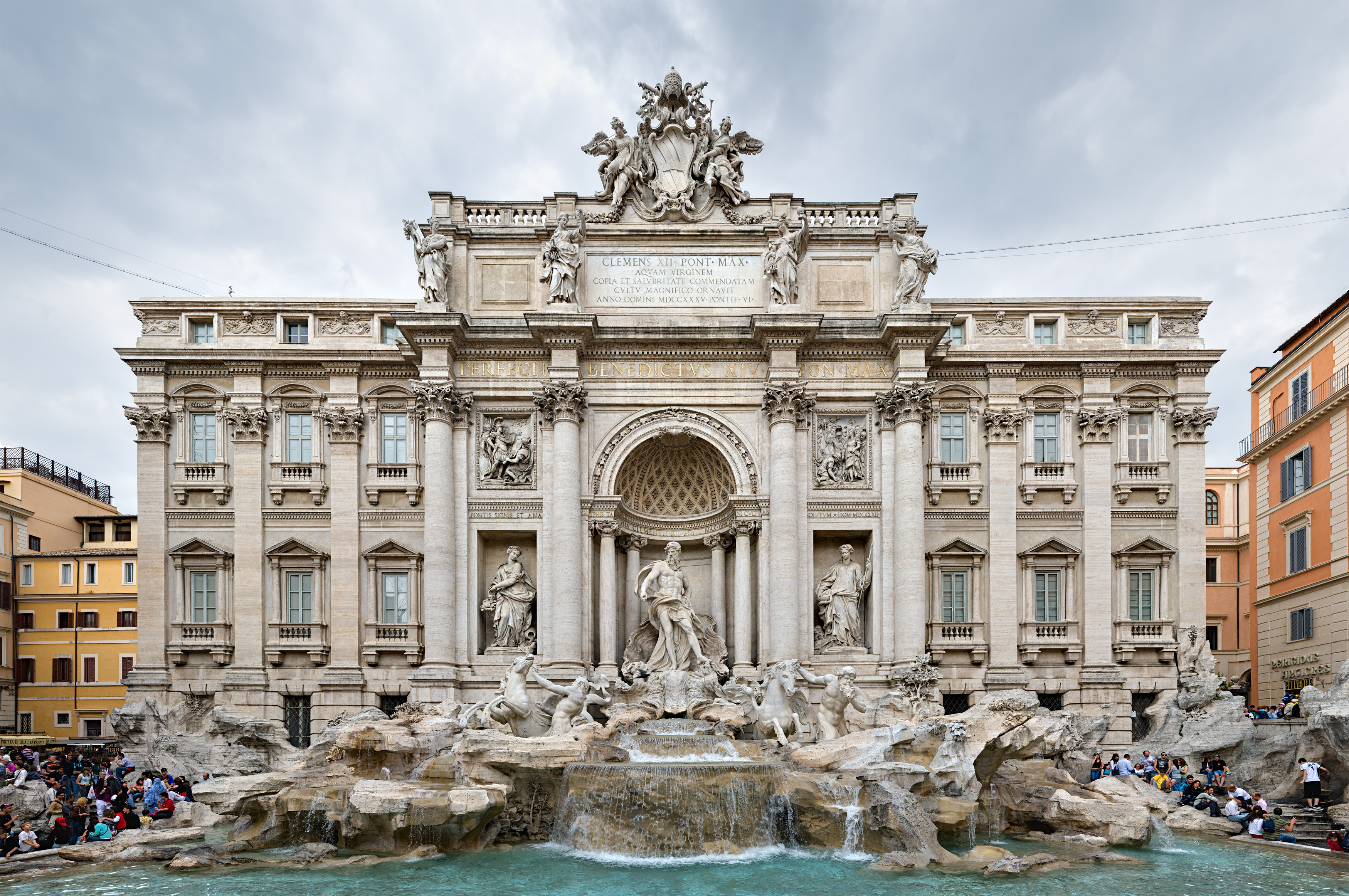
Rome eco-travel in Italy #1
Lazio

Rome

The Eternal City has quietly become one of Europe's better-walkable capitals — Trastevere, Monti and the centro storico are entirely doable on foot, the metro and tram cover the rest, and the Villa Borghese and Appian Way regional park give the city a vast green lung. Most boutique hotels in Monti and Trastevere now carry Legambiente Turismo or Ecolabel UE marks, with rooftop solar increasingly standard.

Highlights: Colosseum & Roman Forum · Vatican Museums & Sistine Chapel · Trastevere by night · Villa Borghese gardens

Best: Apr–Jun, Sep Browse stays →
Florence eco-travel in Italy #2
Tuscany

Florence

Compact, almost entirely flat, and walkable end-to-end in 25 minutes — Florence is built for low-impact summer travel. The Oltrarno on the south bank has the best concentration of independently owned, sustainability-certified boutique hotels, and the surrounding Chianti region runs an organic-vineyard cluster that supplies the city's farm-to-table scene. Day-trip by regional train to Lucca, Siena or Pisa instead of renting a car.

Highlights: Duomo & Brunelleschi's dome · Uffizi Gallery · Oltrarno artisan quarter · Boboli Gardens

Best: Apr–Jun, Sep Browse stays →
Milan eco-travel in Italy #3
Lombardy

Milan

Italy's design capital runs the country's most ambitious urban-greening programme (ForestaMi — three million new trees by 2030) and the country's only metro system that covers four full lines. Stay in Brera or the regenerated Porta Nuova district for the highest density of LEED-certified hotels. Lake Como is 45 minutes by train; Lake Maggiore an hour. Skip the car entirely.

Highlights: Duomo rooftop · Brera & Navigli quarters · Bosco Verticale vertical forest · Lake Como day trip

Best: May–Jun, Sep Browse stays →
Naples eco-travel in Italy #4
Campania

Naples

Underrated, characterful and the gateway to Pompeii, Herculaneum, Vesuvius and the Amalfi Coast. The Spaccanapoli historic centre is UNESCO-listed and entirely walkable, the metro line 1 (the so-called "art stations") is a museum in itself, and Capri, Ischia and Procida are accessible by hydrofoil from the Beverello port. The Vomero and Chiaia neighbourhoods hold the city's better boutique hotels.

Highlights: Pompeii & Vesuvius · Spaccanapoli historic centre · Capri & Ischia hydrofoil · Naples Underground

Best: May–Sep Browse stays →
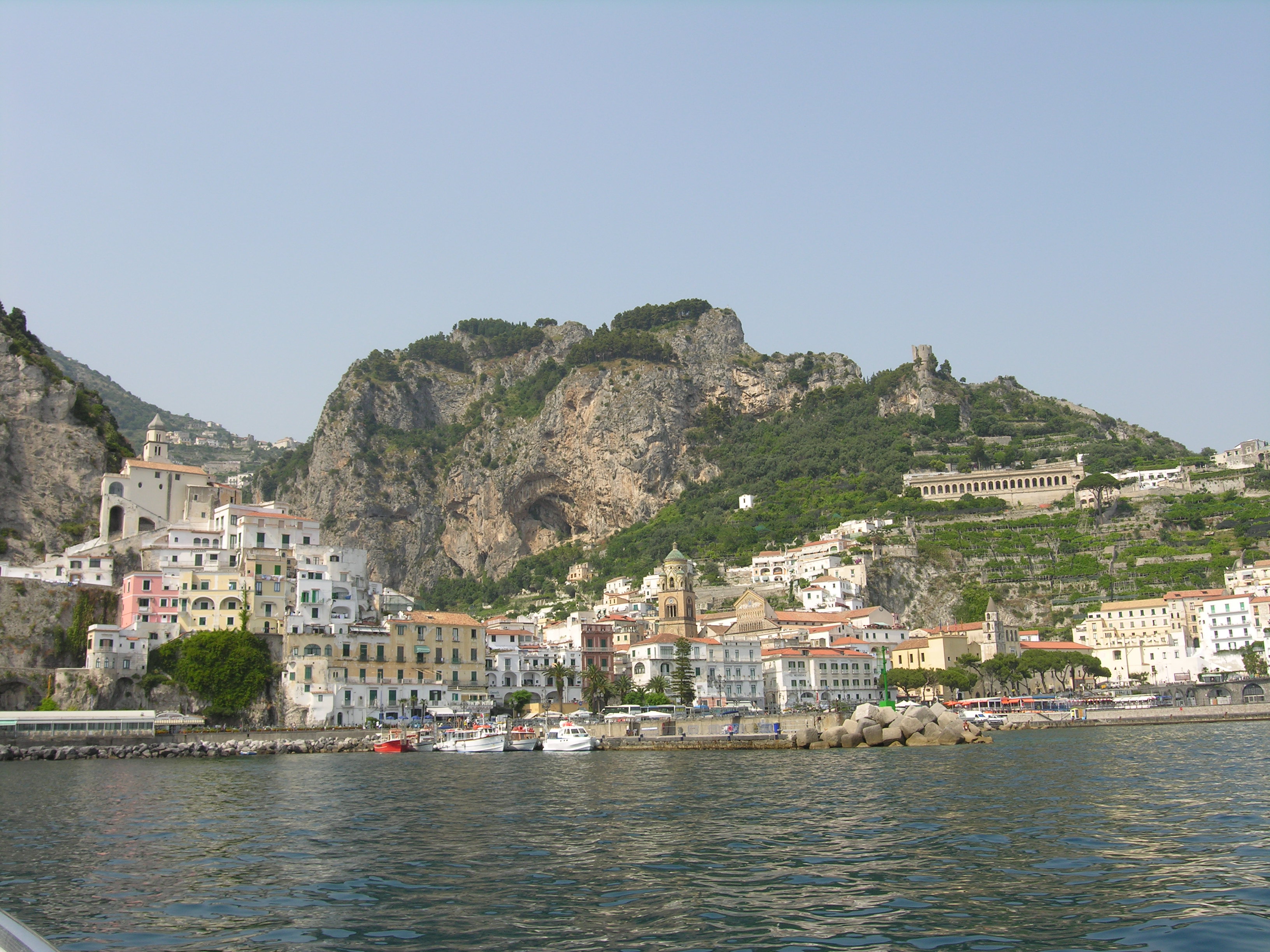
Amalfi eco-travel in Italy #5
Campania

Amalfi

The town that named the coast — a former maritime republic with a 9th-century cathedral, a paper-mill museum in the Valle delle Ferriere, and lemon groves that still supply the region's limoncello. The Amalfi-Positano SITA bus and the year-round ferry network mean you don't need a car; in fact, the coast road bans rental cars on alternate days in peak summer. Stay in town or up the hill in Pogerola.

Highlights: Duomo di Sant'Andrea · Path of the Gods hike · Valle delle Ferriere nature reserve · Ferry to Capri

Best: May–Sep Browse stays →
Positano eco-travel in Italy #6
Campania

Positano

The vertical village that defines the Amalfi Coast in every postcard — pastel houses cascading to two pebble beaches, with a single one-way road that locals barely use. Arrival by ferry from Sorrento or Salerno is the only sensible approach. The Sentiero degli Dei (Path of the Gods) climbs above the village and connects to Praiano and Nocelle along a Ministry-protected hiking route closed to vehicles.

Highlights: Spiaggia Grande & Fornillo beaches · Santa Maria Assunta church · Path of the Gods trailhead · Ferry to Capri & Amalfi

Best: May–Sep Browse stays →
Sorrento eco-travel in Italy #7
Campania

Sorrento

The most connected base on the Bay of Naples — direct Circumvesuviana rail from Naples (75 minutes), hydrofoils to Capri (20 minutes), and SITA buses south along the Amalfi Coast. The clifftop old town centres on Piazza Tasso and Via San Cesareo, and the surrounding Sorrentine Peninsula is protected as a regional park. Stay in Sant'Agnello for a quieter base ten minutes from the main square.

Highlights: Piazza Tasso · Marina Grande fishing harbour · Hydrofoil to Capri · Bagni della Regina Giovanna

Best: May–Sep Browse stays →
Palermo eco-travel in Italy #8
Sicily

Palermo

Sicily's capital is a layered Arab-Norman-Baroque city with a UNESCO ensemble of churches, palaces and the cathedral of Monreale just outside town. The 2025 expansion of the metro tram now links the port and the historic core, and the surrounding regional parks (Madonie, Monti di Trapani) are reachable by train. The Vucciria and Ballarò markets are the city's two best windows on Sicilian food culture.

Highlights: Arab-Norman UNESCO churches · Monreale Cathedral · Vucciria & Ballarò markets · Mondello beach

Best: Apr–Jun, Sep Browse stays →
Catania eco-travel in Italy #9
Sicily

Catania

Sicily's east-coast Baroque city sits at the foot of Etna (3,357 m) — Europe's most active volcano and a UNESCO World Heritage Natural Site. The black-lava old town centres on Piazza del Duomo, and the Circumetnea narrow-gauge railway loops around the volcano through pistachio groves and Nerello-Mascalese vineyards. Use Catania as a base for Taormina and the Aeolian Islands ferry network.

Highlights: Etna ascent (Rifugio Sapienza) · Piazza del Duomo · Circumetnea railway · La Pescheria fish market

Best: Apr–Jun, Sep Browse stays →
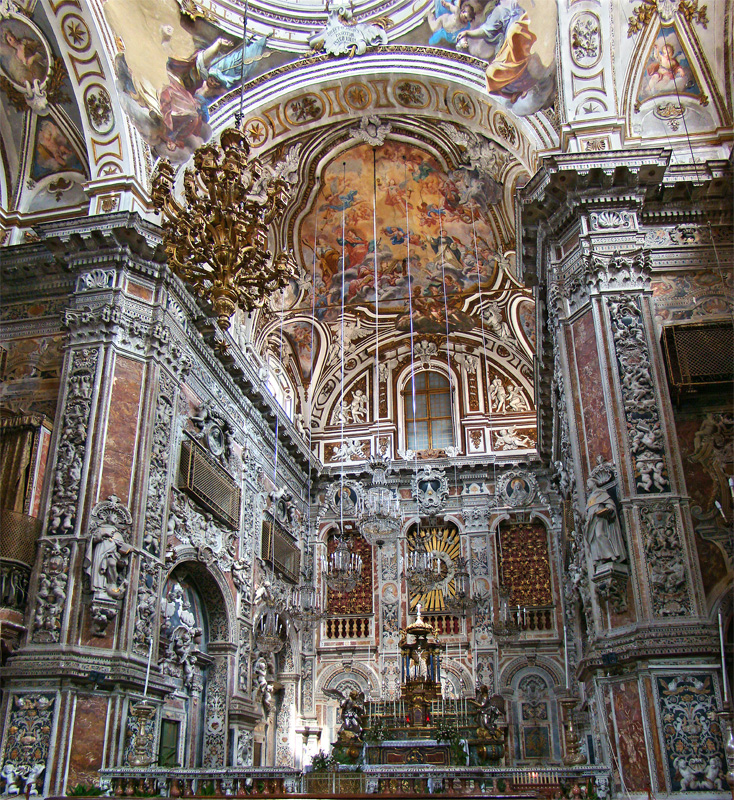
Cagliari eco-travel in Italy #10
Sardinia

Cagliari

Sardinia's capital crowns a limestone ridge above the Gulf of Angels, with the Castello quarter at the top and Poetto beach — eight kilometres of fine white sand — at the bottom. The Molentargius regional park hosts a resident pink flamingo colony inside the city limits. Sardinia leads Italy on per-capita rooftop solar; many of the boutique agriturismi in the hinterland run fully off-grid in summer.

Highlights: Castello quarter · Poetto beach · Molentargius flamingos · Nuragic ruins of Su Nuraxi

Best: May–Sep Browse stays →

Why summer eco-travel in Italy?

Italy sits at the structural intersection of a 43% renewable grid (rising fast on Sicilian and Sardinian solar), one of Europe's densest high-speed rail networks (Frecciarossa, Italo), and a certification ecosystem that includes Legambiente Turismo, Ecolabel UE, Travelife and Green Key. National parks cover 11% of the territory and the country's coastal protection laws (the "Galasso Law") have preserved coastlines that competing Mediterranean destinations long ago surrendered to concrete. Add Slow Food's Italian roots and a culture of small, family-run accommodation, and the structural sustainability case is strong. IMPT layers a UN-verified 1-ton CO₂ removal on every booking — at no extra cost, paid from our commission.

Frequently asked questions

When is the best time to visit Italy for a sustainable summer?

Late May through June and again in September are the sweet spot — temperatures sit in the high 20s, the queues at the Uffizi and Vatican are manageable, and eco-hotel rates are 20–35% below the August peak. July and August are when air-con load and water stress are highest, especially in the south; if you have the flexibility, shoulder weeks are kinder to both you and the grid.

How do I get between Italian cities without flying?

The Frecciarossa and Italo high-speed network covers Milan–Florence–Rome–Naples in under three hours per leg, with hourly departures. Per passenger, high-speed rail in Italy emits roughly 75–85% less CO₂ than the equivalent short-haul flight. For the Amalfi Coast use the Circumvesuviana from Naples to Sorrento, then ferries or SITA buses; for Sicily and Sardinia, overnight ferries from Civitavecchia, Naples and Genoa are the lowest-impact option.

Are eco-hotels in Italy more expensive than regular hotels?

No. Booking through IMPT costs the same as booking direct — the carbon removal is paid from IMPT's commission, not added to your bill. Italian hotel rates spike around Ferragosto (mid-August), Christmas–Epiphany and the Venice Biennale weeks — that's pure supply-and-demand, not an eco-premium.

Which Italian destination is best for first-time visitors?

The classic triangle is Rome–Florence–Venice (or Rome–Florence–Naples for a southern alternative) linked by Frecciarossa. Add three to four nights on the Amalfi Coast or in Tuscany's Chianti for the slower second half. First-timers shouldn't try Sicily or Sardinia and the mainland in the same week — pick a lane.

How does IMPT make an Italian hotel booking carbon-neutral?

Every reservation triggers a verified one-tonne CO₂ removal — UN-certified, paid from our commission. The offset is sourced from a portfolio of reforestation and renewable-energy projects in the Mediterranean basin and East Africa, and is enough to fully balance a typical short-haul flight to Rome or Milan plus a 4-night stay. See how we carbon-balance every stay.

Can I drive an EV across Italy in summer 2026?

Yes — Italy now has 60,000+ public charging points (Enel X Way, Be Charge, Free To X on the autostrade), with the densest coverage between Milan, Bologna, Florence and Rome. The Amalfi Coast road is narrow and partially restricted in summer (alternate-plate days in August), so consider basing yourself in Sorrento and using ferries instead of driving the SS163.

Plan a Italy summer that gives back

Same price as direct booking. No hidden fees. Every reservation removes one UN-verified ton of CO₂ — paid from our commission, never added to your bill.

Search 10 Italy destinations →