SUMMER 2026 · 8 destinations

Mexican Summer in Mexico.

From Mayan ruins on the Caribbean to colonial highlands and Pacific surf — eight Mexican destinations where summer 2026 means lower rates, dramatic afternoon storms, and a country quietly building one of Latin America's biggest wind-and-solar build-outs.

8 destinations 1 ton CO₂ removed per booking 100% UN-verified
Find your Mexico eco-stay →

Same price as direct · 1 ton CO₂ removed per booking

Mexico's electricity grid hit 26% renewables in 2024 — wind from Oaxaca's Isthmus of Tehuantepec, solar from Sonora and Coahuila, and the country's long-standing hydropower spine in Chiapas. Summer is technically the rainy season — June through September brings late-afternoon thunderstorms, lower hotel rates and a country that turns visibly greener within a fortnight of the first rain. For travellers, that means the Yucatan jungles are alive, the cenotes are at their fullest, the Caribbean is bath-warm, and most resorts publish their lowest published rates of the year. Dual-pricing (USD/MXN) is universal — paying in pesos is consistently cheaper than paying in dollars.

Every reservation below removes one verified ton of CO₂ through IMPT's offset programme — paid from our commission, never added to your bill. The eight destinations span the Yucatan Peninsula (Tulum, Cancun, Playa del Carmen, Merida), the colonial highlands (Mexico City, Oaxaca, San Miguel de Allende) and the Pacific (Puerto Vallarta) — each picked for sustainability infrastructure and what they offer in the rainy-season summer window.

Top 8 eco destinations in Mexico

Mexico City eco-travel in Mexico #1
CDMX

Mexico City

CDMX sits at 2,240 metres, which means summer temperatures stay in the low-20s°C even when the coastal cities are 32°C and humid. The Metro is one of the world's largest and cheapest (5 pesos a ride), Mexico City's electric bus rollout has accelerated under the climate plan, and the Roma-Condesa-Juarez triangle is walkable for a full long weekend. Chapultepec Park is bigger than Central Park and houses six world-class museums. Afternoon rain typically clears by sunset.

Highlights: Zocalo & Templo Mayor · Chapultepec Park & National Anthropology Museum · Roma & Condesa neighbourhoods · Teotihuacan day trip

Best: Mar–May, Oct Browse stays →
Tulum eco-travel in Mexico #2
Quintana Roo

Tulum

Mayan ruins above a Caribbean cliff, a 12 km beach strip lined with off-grid eco-resorts that pioneered Mexico's solar-and-cenote-water hotel model, and the Sian Ka'an UNESCO biosphere on the doorstep. The new Tren Maya links Tulum to Cancun, Merida and Palenque without a car, and the recently opened Tulum International Airport handles US and European arrivals directly. Summer is jungle-green and quieter — the August sargassum can be heavy, so check forecasts and book hotels with reef-side cenote pools.

Highlights: Tulum Mayan ruins above the cliff · Sian Ka'an biosphere · Gran Cenote & Dos Ojos · Tren Maya to Merida & Palenque

Best: Nov–Apr Browse stays →
Cancun eco-travel in Mexico #3
Quintana Roo

Cancun

The Hotel Zone is the all-inclusive icon — but Cancun's last few years have seen a serious eco-pivot: rooftop solar on the Marriott, Hyatt and Iberostar properties, the ADO bus network running on natural gas, and the Tren Maya finally putting Chichen Itza, Tulum and Merida within a single day. Stay in the boutique cluster on Isla Mujeres or Puerto Morelos for a cleaner footprint than the Hotel Zone, and use Cancun airport as the gateway to the rest of the Yucatan.

Highlights: Isla Mujeres ferry & beaches · Chichen Itza day trip · Puerto Morelos reef snorkel · Xcaret eco-archaeological park

Best: Nov–Apr Browse stays →
Playa del Carmen eco-travel in Mexico #4
Quintana Roo

Playa del Carmen

Playa is the walkable middle child of the Riviera Maya — Fifth Avenue runs five kilometres parallel to the beach, the Cozumel ferry is a 35-minute crossing to one of the world's top dive reefs, and the smaller boutique hotels lean heavily on cenote-water systems and reef-safe sunscreen rules. The new Tren Maya station puts Playa within 35 minutes of Cancun airport and an hour of Tulum. Summer rates drop 30–40% on the headline Fifth Avenue hotels.

Highlights: Fifth Avenue (Quinta Avenida) · Cozumel ferry & dive · Xcaret & Xel-Ha parks · Akumal sea-turtle bay

Best: Nov–Apr Browse stays →
Oaxaca eco-travel in Mexico #5
Oaxaca

Oaxaca

Mexico's deepest food-and-craft city — seven moles, the Monte Alban Zapotec ruins on a hilltop above town, and a colonial UNESCO centre that's walkable end-to-end. Oaxaca state is also Mexico's wind-power capital (the Tehuantepec corridor alone has 2.5 GW installed). Summer is the Guelaguetza festival in late July — the biggest indigenous-culture gathering in the Americas — and the rates around it are the year's peak; the surrounding weeks are excellent value with the same daily temperature.

Highlights: Monte Alban Zapotec ruins · Mercado 20 de Noviembre & mole tasting · Hierve el Agua petrified waterfalls · Guelaguetza festival (late July)

Best: Oct–Apr Browse stays →
Puerto Vallarta eco-travel in Mexico #6
Jalisco

Puerto Vallarta

The Pacific coast's most walkable resort city — a kilometre-long Malecon, the cobblestone Zona Romantica, and the Sierra Madre rainforest backdrop. Banderas Bay is one of the largest in the world and a humpback nursery in winter; summer brings warm-water snorkelling on Los Arcos and the Marietas Islands. The city's electric bus pilot started in 2024, and the boutique eco-hotel cluster on the south coast (Boca de Tomatlán, Yelapa) runs water-treatment loops that are now state policy.

Highlights: Malecon & Zona Romantica · Los Arcos National Marine Park · Marietas Islands hidden beach · Yelapa village by water taxi

Best: Nov–Apr Browse stays →
San Miguel de Allende eco-travel in Mexico #7
Guanajuato

San Miguel de Allende

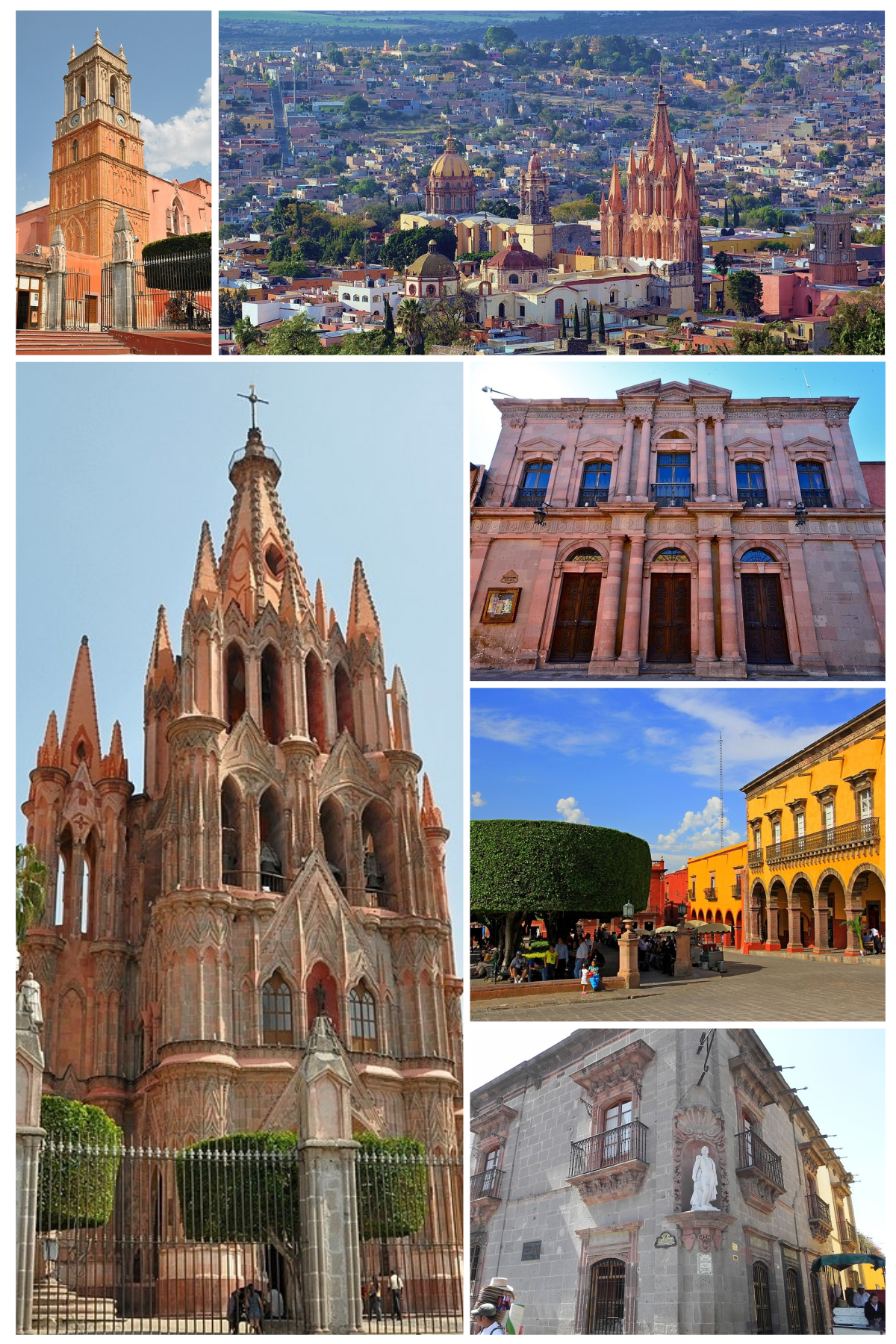
The colonial highland city the global hotel rankings keep voting their favourite — a UNESCO old town of pink limestone churches, art galleries and rooftop bars at 1,900 metres, which keeps summer temperatures in the low-20s°C even in July. The Parroquia silhouette at sunset is the headline image. Stay in Centro for car-free everything; the highland eco-resorts on the Atotonilco road run on solar and the local hot-spring water network.

Highlights: Parroquia de San Miguel Arcangel · Fabrica La Aurora art galleries · Atotonilco hot springs · Jardín Allende main plaza

Best: Mar–May, Oct Browse stays →
Merida eco-travel in Mexico #8
Yucatan

Merida

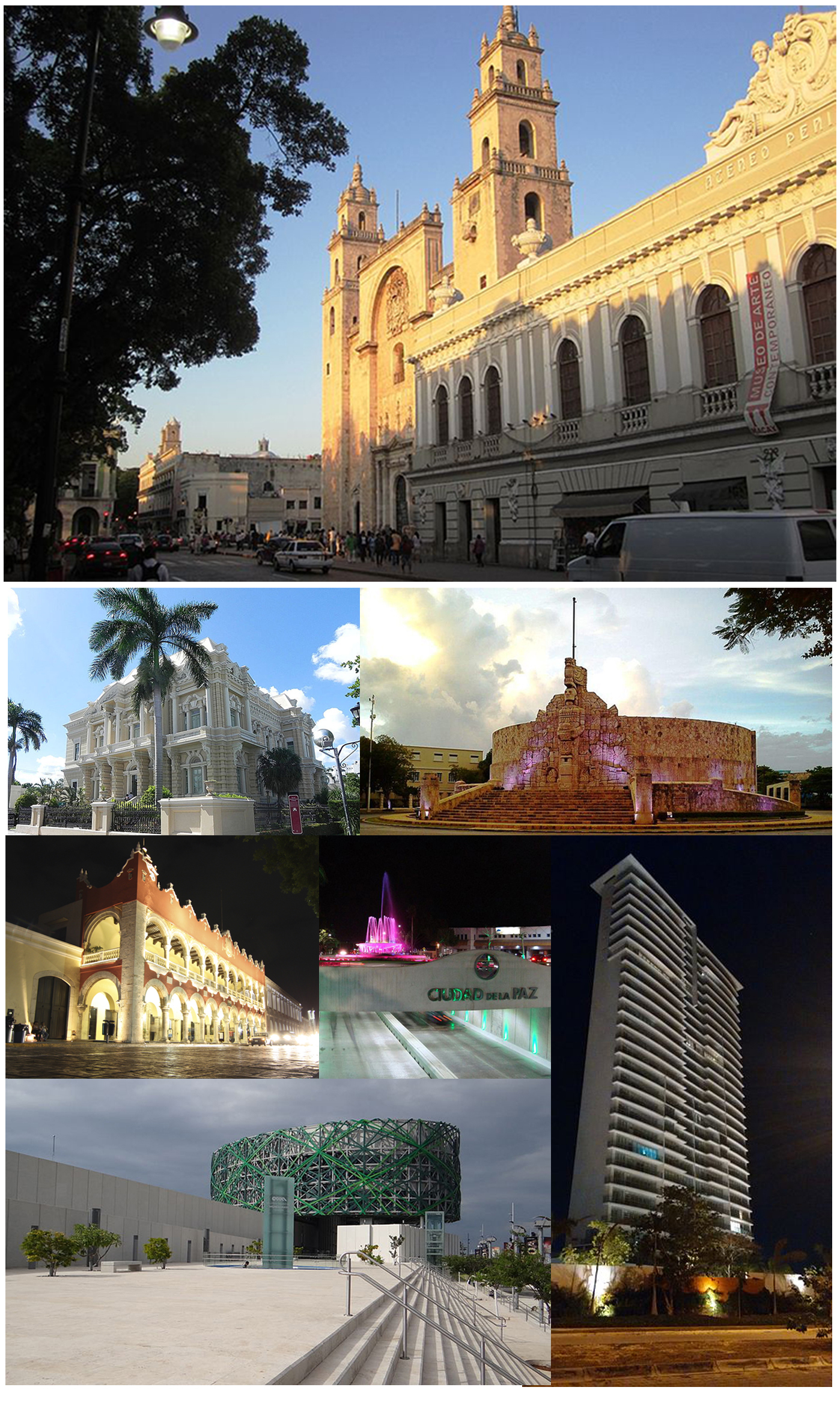
The Yucatan capital is the dry-season alternative to the Caribbean coast — inland enough that the summer rain pattern is lighter than Tulum or Cancun, and rich enough in colonial mansions, Mayan ruins (Uxmal, Chichen Itza, Mayapan) and haciendas to fill a full week. Merida's grid has surged on Yucatan solar, the centro historico is flat and walkable, and the boutique hacienda-hotels north and east of town (Sotuta de Peón, Yaxcopoil) are some of Mexico's quietest eco-luxury stays.

Highlights: Plaza Grande & Catedral · Uxmal Mayan ruins · Cenotes of the Ruta Puuc · Hacienda Sotuta de Peón

Best: Nov–Apr Browse stays →

Why summer eco-travel in Mexico?

Mexico is the Western hemisphere's most under-priced summer destination. The country's grid hit 26% renewables in 2024 with the wind corridor on Oaxaca's Isthmus and the solar build-out across Sonora and Coahuila accelerating; the Tren Maya put four Yucatan cities (Cancun, Playa, Tulum, Merida) within a single rail ticket; and the colonial highlands (Mexico City, Oaxaca, San Miguel) sit at altitudes high enough that summer is the year's most temperate season. Dual USD/MXN pricing is universal — paying in pesos is consistently cheaper than the dollar option. Summer is rainy season on the coasts (lower rates, dramatic afternoon storms, lush jungle) and bone-dry in the central highlands (peak season). IMPT layers a UN-verified 1-ton CO₂ removal on every booking — at no extra cost, paid from our commission.

Frequently asked questions

Is summer in Mexico the rainy season — and is that a problem?

On the coasts (Yucatan, Pacific), yes — June through September brings late-afternoon thunderstorms, higher humidity and the August–September peak of the Atlantic hurricane window. The upside is 30–40% lower published hotel rates and a country that turns visibly green within two weeks of the first rain. In the central highlands (Mexico City, Oaxaca, San Miguel), summer is the year's most temperate season — low 20s°C, light afternoon showers, peak local travel.

How do I travel between Mexican destinations without renting a car?

The new Tren Maya links Cancun, Playa del Carmen, Tulum, Merida and Palenque on a single rail ticket. The ADO and ETN bus networks are first-class throughout the country — Mexico City to Oaxaca is 6 hours overnight, San Miguel from CDMX is 4 hours. For the Pacific, Aeromexico, Volaris and Viva run frequent domestic flights — IMPT's offset removes the full footprint.

Should I pay in US dollars or Mexican pesos?

Always pesos. Almost every hotel, restaurant and tour in Mexico publishes dual pricing, but the USD price typically includes a 5–10% conversion margin. Use a no-foreign-transaction-fee card and pay in pesos at the terminal — the bank's interbank rate is invariably better than the merchant's. ATM withdrawals in pesos from local banks (HSBC, Santander) are the cheapest way to get cash.

Are eco-hotels in Mexico more expensive than regular hotels?

No. Booking through IMPT costs the same as booking direct — the carbon removal is paid from IMPT's commission, not added to your bill. Mexican hotel rates spike around Semana Santa (Easter week), Guelaguetza in Oaxaca (late July), Day of the Dead (November 1–2) and Christmas–New Year — that's pure supply-and-demand, not an eco-premium.

Which Mexican destination is best for a first-time visitor?

Mexico City + Oaxaca is the food-and-culture combination, on one 90-minute domestic flight. Cancun + Tulum + Merida on the Tren Maya is the Yucatan beach-and-ruins week. For a first-timer with one week, fly into Mexico City for three nights, then domestic-flight to Cancun and base in Playa del Carmen or Tulum for the beach half.

How does IMPT make a Mexican hotel booking carbon-neutral?

Every reservation triggers a verified one-ton CO₂ removal — UN-certified, paid from our commission. The offset is sourced from a portfolio of reforestation and renewable-energy projects, and is enough to fully balance a typical international flight to Mexico plus a 4-night stay. See how we carbon-balance every stay.

Plan a Mexico summer that gives back

Same price as direct booking. No hidden fees. Every reservation removes one UN-verified ton of CO₂ — paid from our commission, never added to your bill.

Search 8 Mexico destinations →