SUMMER 2026 · 8 destinations

Alpine Summer in Switzerland.

Alpine lakes, hydro-powered mountain railways, glacier viewpoints and the UNESCO-listed Rhaetian and Jungfrau lines — eight Swiss destinations where summer 2026 can be high-altitude, slow-paced and carbon-balanced, with the country's 100% renewable SBB network doing the heavy lifting.

8 destinations 1 ton CO₂ removed per booking 100% UN-verified
Find your Switzerland eco-stay →

Same price as direct · 1 ton CO₂ removed per booking

Switzerland's electricity mix is unusually clean by European standards — roughly 60% hydropower and 30% nuclear, with the remainder a fast-growing rooftop-solar wedge — and the SBB CFF FFS rail network has been running on 100% renewable electricity since 2019. Almost as significantly, the country's mountain railway and funicular network (the Jungfrau, the Gornergrat, the Pilatus, the Schilthorn, the Rigi, the Bernina) is electrified to a degree no other Alpine country matches, which means most of the high-altitude viewpoints in this list can be reached without burning a drop of diesel. UNESCO has listed both the Rhaetian Albula/Bernina line and the Jungfrau-Aletsch glacier region, and a deep certification ecosystem (Swisstainable, Ibex Fairstay, Green Globe) sets a serious floor for hotel sustainability.

Every reservation below removes one verified ton of CO₂ through IMPT's offset programme — paid from our commission, never added to your bill. The eight destinations span the German-speaking north (Zurich, Lucerne, Bern), the French-speaking west (Geneva, Lausanne), the Bernese Oberland (Interlaken), the Valais Matterhorn village (Zermatt) and the Engadine (St. Moritz) — each chosen for its rail link, its sustainability profile and its low-impact access to the high peaks.

Top 8 eco destinations in Switzerland

Zurich eco-travel in Switzerland #1
Zurich

Zurich

Switzerland's economic capital is also one of the most liveable cities in the world (Mercer top three for a decade running), with a lake-front swimming culture that runs from May to September, a tram network powered 100% renewably, and an old town (the Altstadt) that's car-free above Bahnhofstrasse. Hotels around Niederdorf and Seefeld cluster around the Swisstainable and Ibex Fairstay standards; the Uetliberg funicular gives the best Alpine panorama in 20 minutes.

Highlights: Lake Zurich swimming · Altstadt & Niederdorf · Kunsthaus extension (Chipperfield) · Uetliberg funicular

Best: May–Sep Browse stays →
Geneva eco-travel in Switzerland #2
Geneva

Geneva

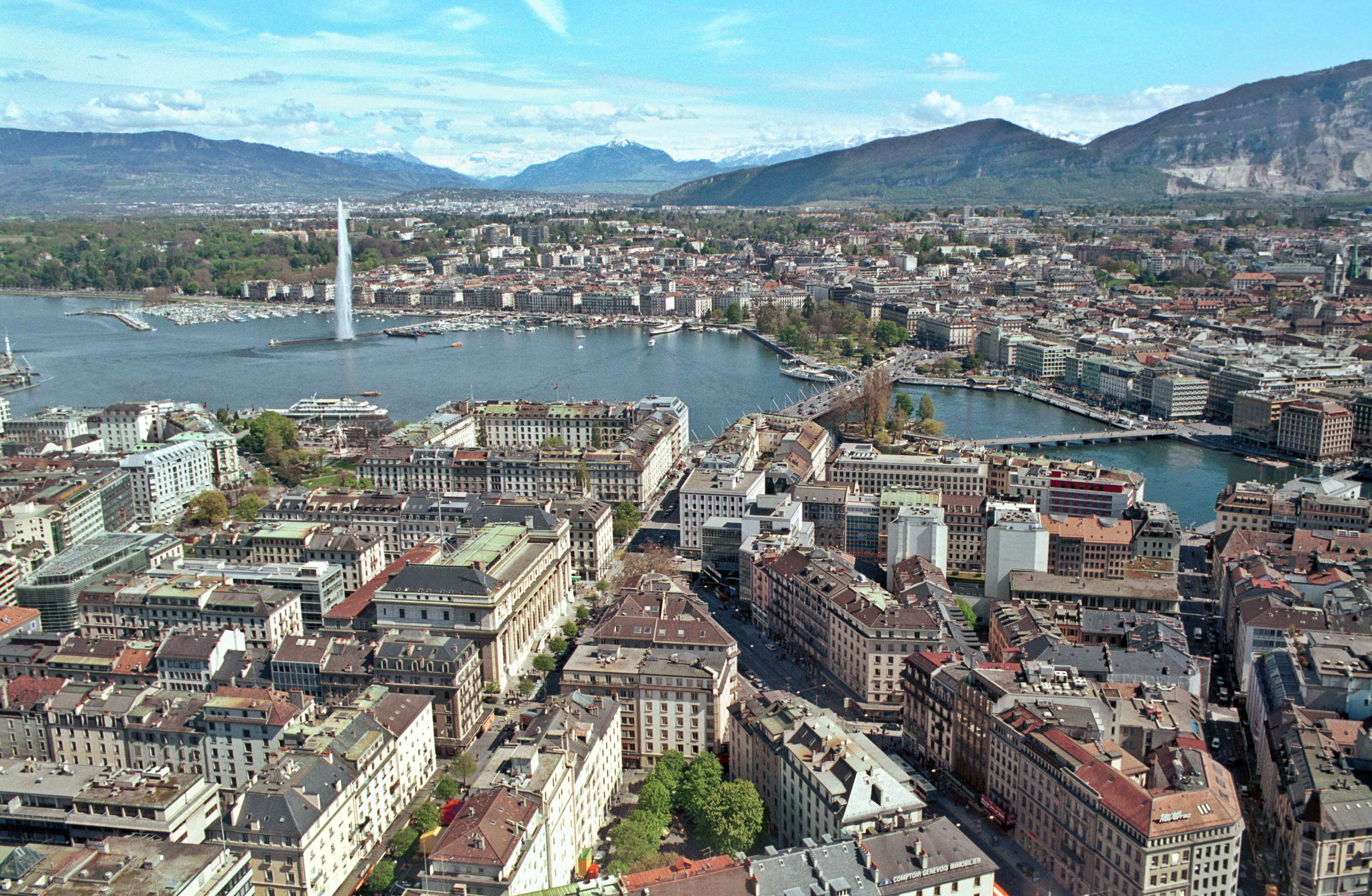
The French-speaking diplomatic capital — UN, WHO, WTO, ICRC all headquartered within a 2-km radius — sits at the southern tip of Lac Léman with the Jura on one side and Mont Blanc on the horizon. Geneva's TPG tram and bus network is fully electric, the Bains des Pâquis lake baths are a local-summer institution, and CERN runs free public tours from Meyrin. Easy day-trips: the Salève cable-car, the Lavaux UNESCO vineyards, and Annecy across the French border.

Highlights: Lac Léman & Jet d'Eau · Bains des Pâquis · UN Palais des Nations · CERN visitor centre

Best: May–Sep Browse stays →
Lucerne eco-travel in Switzerland #3
Centre

Lucerne

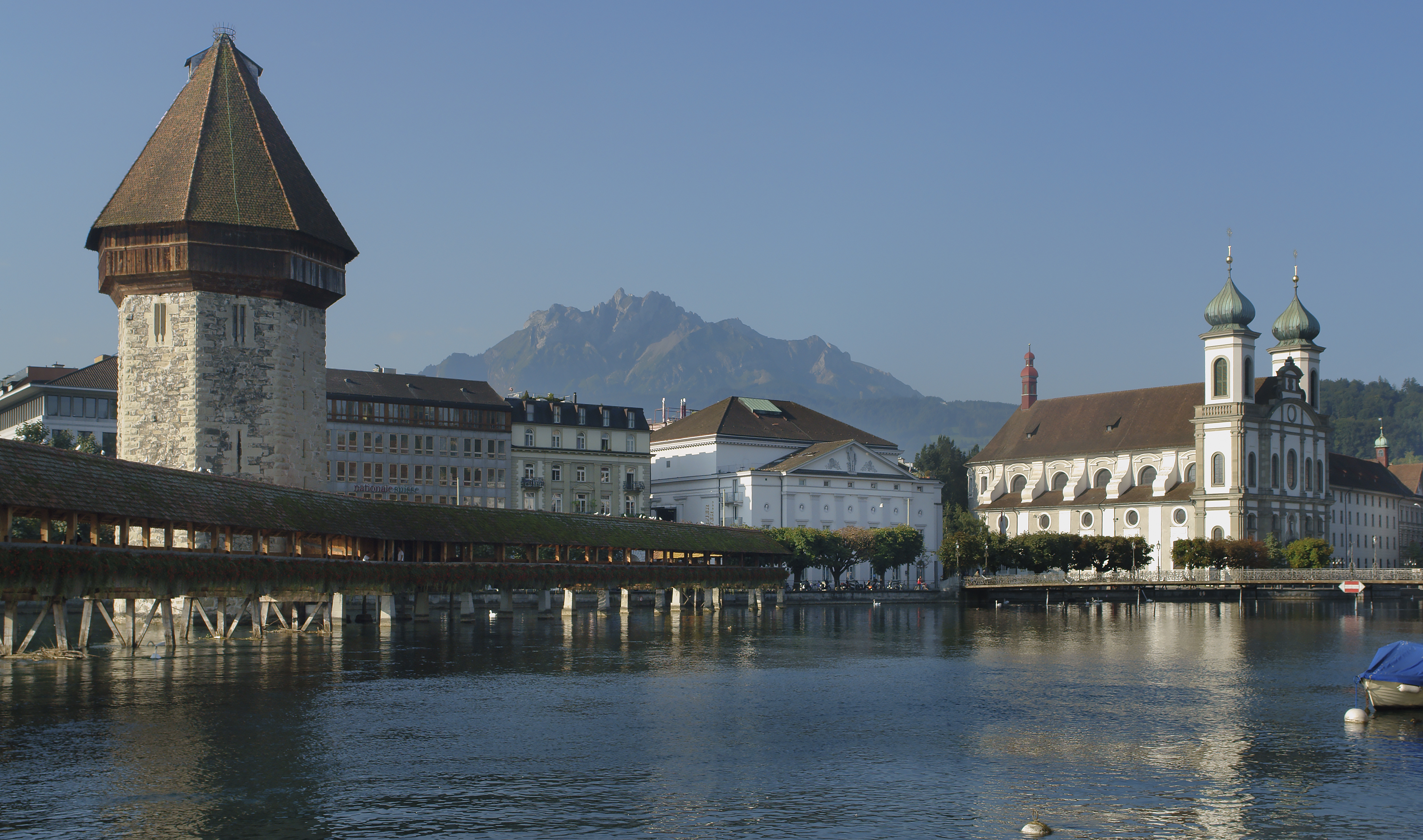
Lucerne sits where the lake, the Reuss river and Mount Pilatus meet — the Chapel Bridge (Kapellbrücke) is the oldest covered timber bridge in Europe, and the lake steamers that fan out across Vierwaldstättersee have been gradually electrifying their fleet since 2022. The Pilatus cog railway is the steepest in the world, the Rigi funicular is the oldest mountain railway in Europe, and the Bürgenstock above the lake hosts a cluster of Ibex Fairstay-certified retreats.

Highlights: Chapel Bridge & Water Tower · Mount Pilatus cog railway · Vierwaldstättersee lake steamer · Rigi funicular

Best: May–Sep Browse stays →
Interlaken eco-travel in Switzerland #4
Bernese Oberland

Interlaken

Wedged between Lake Thun and Lake Brienz with the Eiger, Mönch and Jungfrau on the southern horizon, Interlaken is the gateway to the UNESCO Jungfrau-Aletsch region. The Jungfraubahn climbs to 3,454 m (Europe's highest railway station, Jungfraujoch) on 100% renewable electricity, and the Schilthorn cable-car has just completed a multi-year sustainability retrofit. Stay in Wilderswil or Bönigen for quieter Swisstainable-certified guesthouses.

Highlights: Jungfraujoch (Top of Europe) · Schilthorn 360° viewpoint · Lake Thun & Lake Brienz · Lauterbrunnen waterfalls

Best: Jun–Sep Browse stays →
Zermatt eco-travel in Switzerland #5
Valais

Zermatt

Car-free since 1947 — Zermatt is reached by the Matterhorn Gotthard cog railway from Täsch, and the village fleet runs on small electric taxis only. The Matterhorn fills the south-facing skyline, the Gornergrat railway climbs to 3,089 m for the best mountain panorama in Switzerland, and the new Matterhorn Alpine Crossing connects to Cervinia in Italy on a fully electric cable-car loop. Almost every hotel here carries Ibex Fairstay or Swisstainable certification.

Highlights: Matterhorn viewpoint · Gornergrat railway · Matterhorn Alpine Crossing · Findel glacier hike

Best: Year-round Browse stays →
Lausanne eco-travel in Switzerland #6
Vaud

Lausanne

Host city of the International Olympic Committee and the steepest city in Switzerland, Lausanne tumbles down a hillside to the Ouchy waterfront on Lake Geneva. The Lavaux UNESCO terraced vineyards run east along the lake — best explored on foot or on the Train des Vignes — and the M2 metro is the only fully automatic, fully electric metro line in Switzerland. Pair with a day at the Plateforme 10 museum complex (MCBA, Photo Elysée, mudac).

Highlights: Lavaux UNESCO vineyards · Olympic Museum & Ouchy · Plateforme 10 art complex · Cathedral of Notre-Dame

Best: May–Sep Browse stays →
Bern eco-travel in Switzerland #7
Bern

Bern

Federal capital and UNESCO old town — Bern's sandstone arcades (6 km of covered walkways), the Bundeshaus parliament, the Zytglogge clock tower and the Aare river loop are all walkable in an afternoon. The Aare is clean enough to swim in: locals float through the city centre on summer evenings, getting out at the Marzili lido. The Bernmobil tram and trolleybus network runs 100% renewable, and the Gurten funicular hauls you to the city's best viewpoint.

Highlights: UNESCO arcaded old town · Aare river float-swim · Zytglogge clock tower · Gurten funicular

Best: May–Sep Browse stays →
St. Moritz eco-travel in Switzerland #8
Engadine

St. Moritz

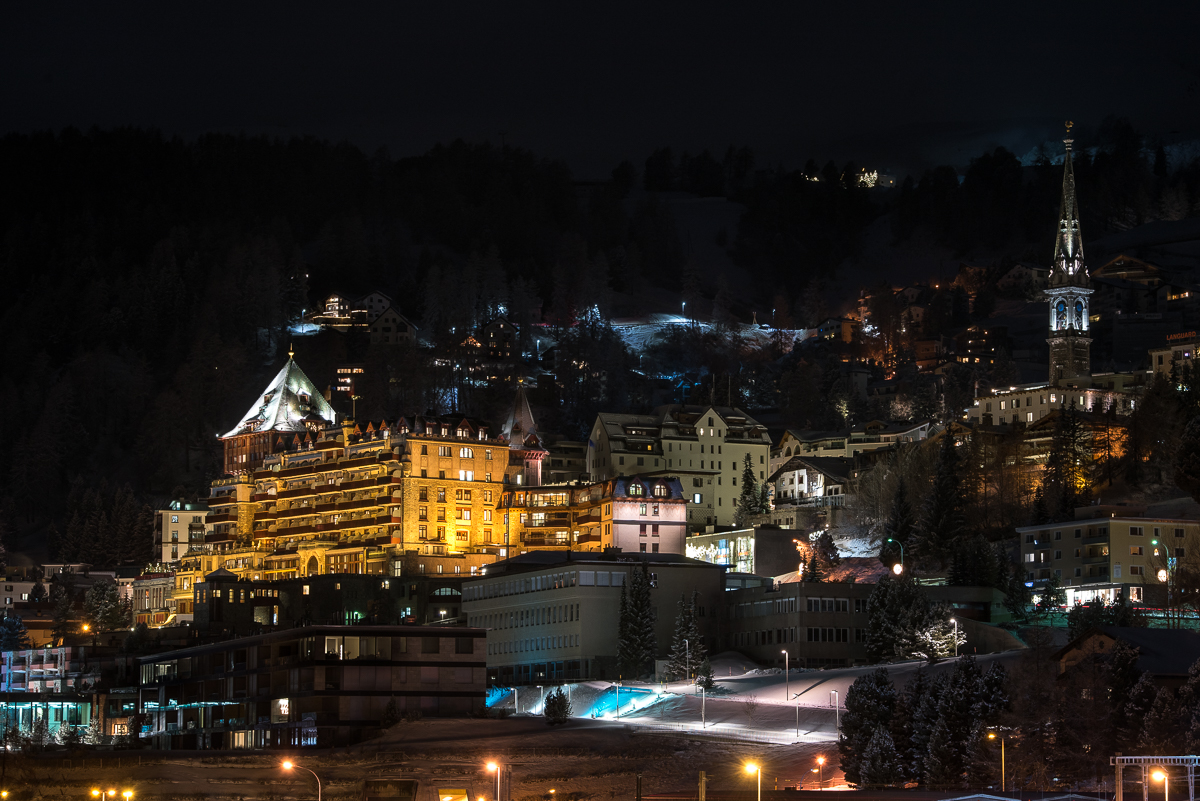
The Engadine valley sits at 1,800 m and gets 322 days of sun a year — St. Moritz invented Alpine winter tourism in 1864 but the summer season has quietly become more interesting: hiking, sailing on the Engadine lakes, and the UNESCO Rhaetian Albula/Bernina railway, which crosses 196 bridges and 55 tunnels on 100% renewable hydro. The Suvretta and Badrutt's Palace cluster carry Swisstainable certification.

Highlights: Rhaetian Bernina UNESCO line · Engadine lake sailing · Muottas Muragl funicular · Diavolezza glacier viewpoint

Best: Year-round Browse stays →

Why summer eco-travel in Switzerland?

Switzerland sits at the structural intersection of an exceptionally clean electricity mix (around 60% hydro, 30% nuclear, growing solar wedge), the most electrified mountain-railway network on earth (Jungfrau, Gornergrat, Pilatus, Rigi, Schilthorn, Bernina — all hydro-powered), and a federal sustainability standard (Swisstainable) that now covers more than 2,000 hotels and tourism businesses. The 100% renewable SBB CFF FFS rail network reaches every destination in this list, and the Swiss Travel Pass bundles trains, lake steamers, urban transport and many mountain railways onto a single ticket. UNESCO has listed both the Rhaetian Albula/Bernina line and the Jungfrau-Aletsch glacier region, locking in protection for two of Europe's most spectacular Alpine landscapes. IMPT layers a UN-verified 1-ton CO₂ removal on every booking — at no extra cost, paid from our commission.

Frequently asked questions

When is the best time to visit Switzerland for a sustainable summer?

Late June through early September is the high-Alpine window — the Jungfraujoch, Gornergrat and Bernina are reliably open, the high-altitude hiking trails are clear, and the lakes are warm enough to swim. Late May and September are quieter, cheaper, and still excellent for the lower lakes and the cities; the high passes can still have snow patches in May and early closures in late September.

How do I travel around Switzerland without a car?

The SBB CFF FFS rail network plus the PostBus network reaches essentially every populated valley in the country, runs at 100% renewable electricity, and is among the most punctual in Europe. The Swiss Travel Pass (3, 4, 8 or 15 days) bundles trains, boats, urban transport and many mountain railways into a single ticket; for longer stays the Half-Fare Card is cheaper. Zermatt is car-free by law — leave the car in Täsch.

Are eco-hotels in Switzerland more expensive than regular hotels?

Switzerland is expensive across the board, but booking through IMPT costs the same as booking direct — the carbon removal is paid from IMPT's commission, not added to your bill. Hotel rates spike around the Davos World Economic Forum (late January), Art Basel (June), the Lucerne Festival (August) and the high-summer Matterhorn weeks — that's pure supply-and-demand, not an eco-premium.

Which Swiss destination is best for first-time visitors?

The classic combination is Zurich or Geneva as the arrival city, three nights in Lucerne or Interlaken for the lakes and the high-altitude excursions, and three nights in Zermatt or the Engadine for the Matterhorn or the Bernina railway. The Grand Train Tour of Switzerland covers all eight destinations in this list and can be done in 8–10 days entirely by rail.

How does IMPT make a Swiss hotel booking carbon-neutral?

Every reservation triggers a verified one-tonne CO₂ removal — UN-certified, paid from our commission. The offset is sourced from a portfolio of reforestation and renewable-energy projects in Europe and East Africa, and is enough to fully balance a typical short-haul flight to Zurich or Geneva plus a 4-night stay. See how we carbon-balance every stay.

Are the mountain railways really powered by renewables?

Yes — the Jungfraubahn, Gornergratbahn, Pilatus, Rigi, Bernina and Glacier Express all run on Swiss hydroelectric power, the same grid that feeds the SBB main lines. The Jungfraubahn has also installed a solar canopy at the Eigergletscher station, and the entire SBB and BLS rail backbone has been 100% renewable since 2019. Cable-car operations are increasingly retrofitted with regenerative braking to feed power back into the grid.

Plan a Switzerland summer that gives back

Same price as direct booking. No hidden fees. Every reservation removes one UN-verified ton of CO₂ — paid from our commission, never added to your bill.

Search 8 Switzerland destinations →