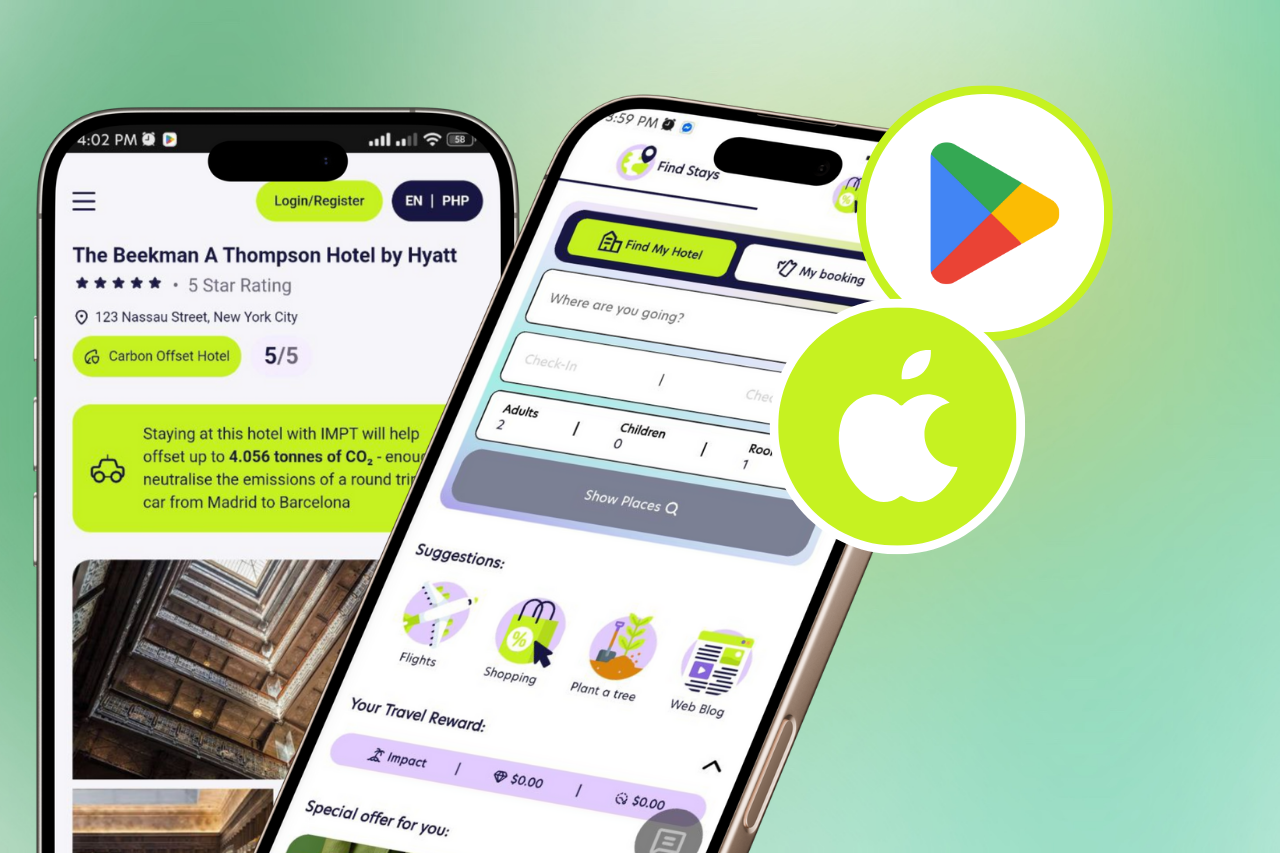
Scope 3 emissions from business travel represent a significant hurdle for organizations aiming to meet sustainability objectives. This article explores how IMPT.ai transforms business travel into a streamlined driver for carbon reduction, enabling companies to reduce Scope 3 emissions efficiently while simplifying compliance, reporting, and environmental action.
Understanding Scope 3 Emissions in Corporate Travel
Scope 3 emissions encompass all indirect greenhouse gas emissions within a company’s value chain, including purchased goods and services, waste disposal, and most pertinently, business travel. For business travel, these emissions stem primarily from activities such as flights, car rentals, and hotel stays—where companies lack direct operational control.
Tracking Scope 3 emissions is complex due to the multitude of variables outside a company’s direct influence. For instance, measuring a hotel stay’s emissions requires granular data on each property’s energy usage and sustainability practices, as well as the transportation modes employees use to reach their destinations. Each added variable increases the complexity of generating reliable and standardized reporting data.
Regulatory frameworks and mounting stakeholder expectations further pressure organizations to monitor and disclose Scope 3 emissions precisely. Entities like the Carbon Disclosure Project (CDP) and the Task Force on Climate-related Financial Disclosures (TCFD) mandate stricter reporting, compelling businesses to invest in comprehensive emission tracking solutions.
According to studies, air travel can account for up to 50% of a corporation’s total Scope 3 emissions. With global corporate travel spend projected to reach $1.7 trillion by 2024, the associated footprint can no longer be overlooked. Failure to address these emissions also exposes companies to reputational risk as public scrutiny increases over environmental performance.
Without a comprehensive understanding of indirect emissions, organizations struggle to develop actionable climate strategies, hampering efforts to promote sustainable travel or offset initiatives. As expectations from shareholders, customers, and regulators intensify, business travel remains a critical focus for companies targeting net-zero goals and overall environmental accountability.
Challenges Companies Face in Managing Scope 3 Emissions
Administrative and Data Complexities
Unlike Scope 1 and Scope 2, which refer to direct and indirect emissions from owned resources, Scope 3 emissions span an organization’s entire value chain, making them far more challenging to quantify and reduce. One major administrative challenge lies in the lack of standardized data collection across numerous travel vendors. Airlines, hotels, rental companies, and travel agencies often use different reporting systems, leading to inconsistencies that complicate accurate data aggregation and emissions calculation.
Traditional travel management systems tend to focus on cost and efficiency rather than sustainability, causing gaps in emissions tracking and reporting.
Compliance and Regulatory Pressures
Rapidly evolving ESG regulations from organizations such as the European Union require companies to continuously adapt their reporting and compliance procedures. Non-compliance can result in penalties and reputational harm, prompting organizations to devote considerable resources to understanding and integrating these requirements into their travel processes.
Employee Engagement and Reporting Accuracy
Successfully implementing sustainable travel policies also hinges on employee adoption. Manual or complex reporting methods may be perceived as time-consuming, leading to reduced participation and inaccurately reported emissions. The burden of manual data entry frequently introduces errors, undermining the validity of overall emissions data and affecting sustainability performance measurements.
Fragmented Initiatives and Organizational Impact
When sustainability programs lack centralization or cohesion, companies risk confusion about objectives and accountability. Dispersed efforts decrease the effectiveness of emission reduction strategies, especially if manual reporting persists as the primary means of tracking business travel emissions.
Ultimately, the challenge of tracking, offsetting, and reporting Scope 3 emissions from business travel is multi-layered—spanning administrative, compliance, and employee engagement domains. Without innovative, integrated solutions, organizations may struggle to achieve both regulatory and climate goals.
Automated Carbon Offsetting and the Power of IMPT’s Model
Eliminating Manual Barriers with Real-Time Calculations
IMPT introduces automated, real-time carbon offsetting for business travel. When an employee books a hotel through the platform, emissions are instantly calculated based on factors such as location, accommodation type, and stay duration. This automation removes the friction and inaccuracies of manual calculations, significantly improving the accuracy and reliability of sustainability reporting.
Seamless Employee Experience and Corporate Integration
IMPT enables employees to utilize corporate rates while booking both business and personal travel, automatically contributing to company emission reduction targets. Employees are not burdened with additional reporting; sustainability becomes an inherent part of the travel process, making participation effortless.
The platform’s integration with established corporate travel protocols minimizes resistance, aligning responsible travel with organizational norms and ensuring greater adoption and impact.
Compliance and Regulatory Alignment
The automated offsetting process also supports compliance with emerging Scope 3 emission laws and ESG frameworks. Companies can integrate IMPT without overhauling their existing travel infrastructure, thus addressing sustainability and regulatory needs concurrently.
By automating offsetting and integrating with corporate travel, IMPT enables organizations to reinforce their environmental objectives while preserving operational efficiency.
Blockchain, Carbon Credits, and Transparent ESG Reporting
Leveraging Blockchain for Verifiable Impact
IMPT’s blockchain-powered infrastructure—utilizing Ethereum’s ERC-20 standard—enables the issuance of IMPT tokens for transactions, staking, and loyalty programs. Every travel booking’s associated carbon emissions are calculated in real-time, and NFT-minted carbon credits are generated as offsets.
Blockchain technology ensures that every carbon credit is recorded immutably, providing a transparent, verifiable ledger of all offsets. This approach addresses issues of transparency and accountability that have traditionally challenged the carbon offset market.
Centralized Dashboard for Easy Tracking
IMPT’s travel management dashboard consolidates travel bookings and corresponding carbon offsets, giving companies a comprehensive, user-friendly interface. The platform generates audit-ready ESG reports, streamlining regulatory compliance and demonstrating authentic climate action to stakeholders.
Automating these processes not only reduces administrative burden but also empowers organizations to focus on core operations. As companies strive to meet global ESG standards, solutions like IMPT’s blockchain platform present a distinct competitive advantage, fostering both internal trust and external credibility.
For more technical details on how the system operates, businesses can review the transparent methodology in the IMPT whitepaper.
For broader context on accountable corporate sustainability, the World Economic Forum highlights the importance of Scope 3 transparency and action in modern business operations.
Real-World Impact and Project Funding
Funding High-Impact Global Projects
IMPT empowers companies to address Scope 3 emissions by directly funding high-impact, third-party verified carbon offset projects worldwide. Each business travel booking through IMPT contributes to these initiatives, which range from renewable energy adoption to reforestation and innovation in sustainable technologies.
- India: Projects in renewable energy—adopting solar and wind power to cut CO2 emissions and reduce fossil fuel dependence.
- Colombia: Reforestation efforts that restore degraded land, enhance local biodiversity, and support community livelihoods.
- Europe: Investments in green startups and clean technology initiatives that focus on energy efficiency and waste reduction.
All projects undergo rigorous, internationally recognized third-party certification to ensure that corporate travel results in measurable, legitimate carbon mitigation. IMPT regularly provides organizations with quarterly reports, detailing:
- Total emissions offset
- Number of trees planted
- Renewable energy generated
- Other key environmental impact indicators
This transparency allows organizations to communicate their sustainability achievements confidently and use these verified outcomes in ESG communications and regulatory filings.
By integrating funding for global projects into the travel workflow, businesses using IMPT not only offset emissions but also align with international climate goals—turning business travel into an active tool for positive change.
Integrating IMPT Into the Corporate Travel Workflow
Step-by-Step Implementation Guide
- Step 1: Initial Onboarding – Appoint a project lead and engage IMPT’s support team to understand the platform’s features. Align sustainability objectives and kick off the integration process.
- Step 2: Employee Participation – Launch workshops or webinars to explain the platform and highlight the environmental impact of travel choices. Encourage use of the IMPT mobile app and demonstrate gamified features that reward sustainable decisions.
- Step 3: Transition to Automated Booking – Integrate IMPT’s API with existing travel systems, ensuring real-time carbon offsetting for every booking. Set sustainable booking guidelines to standardize eco-friendly travel ongoing.
- Step 4: ESG Report Access – Customize IMPT’s automated ESG reports to track Scope 3 reduction from bookings, and routinely assess progress to reinforce shared accountability.
- Step 5: Dashboard Utilization – Encourage use of the IMPT dashboard for real-time metrics and recognize both individual and team carbon reduction contributions to further engagement.
Broader Engagement Through Gamification
Establish measurable sustainability targets and promote internal competitions where teams earn recognition or rewards for achieving eco-friendly travel objectives. Gamification increases employee engagement and helps embed sustainability into organizational culture.
Incorporating IMPT into the corporate travel workflow, supported by API connectivity and real-time reporting, ensures sustainability targets are met while creating a more accountable and motivated workforce.
Addressing Limitations and the Path Ahead
Current Platform Scope and Upcoming Enhancements
IMPT’s current primary integration is with hotel accommodations, capturing a significant portion of business travel emissions. However, the need to expand and better integrate flights and local transportation remains. IMPT is planning to include comprehensive flight emission tracking, further optimizing its algorithmic modeling to offer more granular and complete reporting across all travel components.
Simplifying Payment and Offset Purchases
The process of offset purchases is being refined. Future platform updates aim to enable automatic offset purchasing at the point of payment, making sustainability contributions a seamless part of every transaction and decreasing friction for both users and finance departments.
Building Trust Through Transparency
IMPT addresses long-standing skepticism about carbon offset impact by employing blockchain transparency. Using the ERC-20 token standard, businesses have verifiable, traceable access to each offset’s environmental benefits, reinforcing stakeholder trust and business accountability. To further support companies, resources like the IMPT FAQ page are available for deeper insights and clarifications.
Enhancing Analytics and Predictive Reporting
With future machine learning enhancements, IMPT aims to deliver advanced analytics—including predictive emissions estimates and more detailed benchmarks. This will help organizations set and monitor rigorous sustainability goals and demonstrate direct correlations between travel habits and ESG outcomes.
By prioritizing automation, education, and industry partnerships, IMPT seeks to integrate sustainability into every aspect of business travel—making environmental action a strategic advantage rather than an operational hurdle.
The IMPT Vision: Transforming Corporate Travel Into Climate Action
IMPT’s core vision is to embed sustainability into every corporate trip, removing the barriers that typically make reducing Scope 3 emissions complex. By offering a platform where every booking automatically measures and reduces emissions, IMPT enables employees to take action effortlessly—and companies to report impact with confidence.
This transformational approach fosters a culture where sustainability becomes second nature, rather than an extra responsibility. Employees describe a sense of pride and organizational purpose—exemplified by one consulting professional: “Booking my trip with IMPT made me realize how my travel choices directly influence the environment. I feel like I’m contributing to something bigger than just my work—I’m helping the planet.”
IMPT also rewards green behavior via its global network of over 20,000 retail partners. Employees earn green rewards by supporting these partners, which can be used for further environmental projects or future travel offsets, strengthening a positive feedback loop of sustainability actions.
As positive climate impacts accumulate, organizations can evidence their progress in ESG reports, employee engagement rises, and the business community collectively advances toward global climate objectives.
IMPT transforms business travel from a carbon challenge into a proactive climate solution, positioning participating companies as leaders in sustainability and environmental innovation.
Conclusions
IMPT.ai revolutionizes how organizations tackle Scope 3 emissions from business travel by automating booking, carbon offsetting, and ESG reporting. Leveraging blockchain-powered transparency and seamless workflow integration, IMPT ensures organizations make real impact, enhance compliance, and foster employee engagement—making sustainability a simple, transformative force for every business journey. To discover more about how IMPT can support your organization’s climate goals, visit the IMPT B2B solutions page.
Written by Daniel Carter, Crypto Strategy Lead at impt.io