The Urgent Need for National Sustainability Transformation
The escalating climate crisis demands a transformative approach to sustainability at both local and national levels. While local initiatives are critical, they often face challenges in achieving the scale needed to influence significant policy change or mobilize essential resources. Increasing CO₂ emissions, highlighted by reports from the World Meteorological Organization, reveal a troubling trajectory incompatible with the climate targets set in the Paris Agreement.
Traditional, top-down carbon offsetting mechanisms have limitations. National frameworks may fail to fully engage local communities, instead relying on centralized authority and decision-making. Yet, national leaders have the ability to amplify local sustainability impacts by providing crucial policy support, funding, and raising awareness. When local and national efforts align—such as through national backing of local green practices—initiatives can influence regional and global climate strategies.
However, individuals and businesses face significant barriers. Many people feel overwhelmed by how to contribute to climate action, lacking knowledge, resources, or a sense of agency. Small and mid-sized businesses struggle with the upfront costs and administrative demands of sustainable practices. Moreover, traditional carbon offsetting often appears opaque, with challenges like double-counting and greenwashing eroding trust.
Bridging the gap between local action and national impact is essential for meaningful progress. Local leaders need tools and frameworks that empower them and connect their efforts with national plans, receiving both political and financial support. Innovative solutions like IMPT’s ecosystem can drive grassroots participation, leveraging education, access, and incentives to transform passive observers into active climate agents.
As local leaders mobilize communities, linking these successes to national strategies magnifies their impact. Local victories, when integrated into broader narratives, can influence legislation and public opinion, catalyzing further progress. Building strong relationships between the local and national levels ensures that community initiatives contribute to a national legacy of environmental stewardship.
IMPT: Revolutionizing Carbon Offsetting With Blockchain Technology
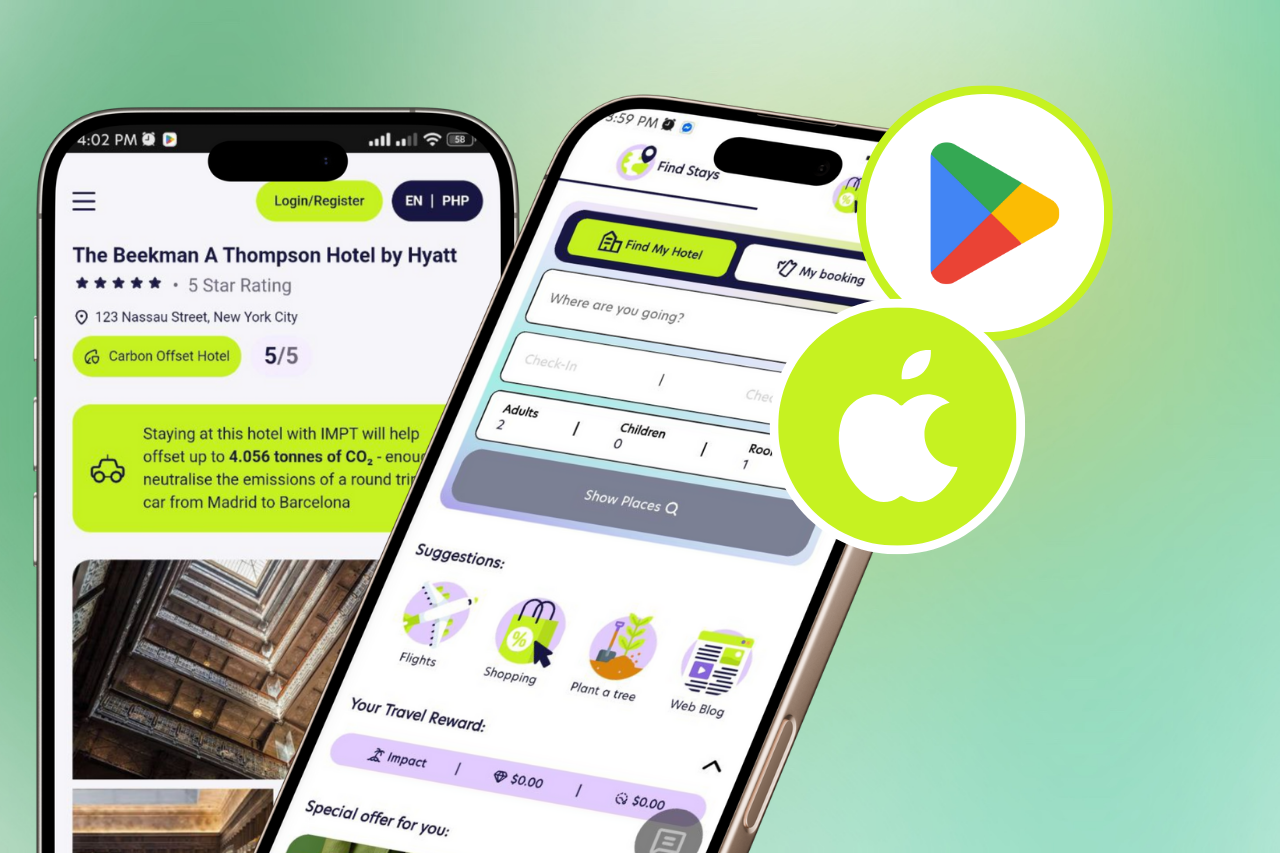
IMPT’s mission is to simplify carbon offsetting using blockchain technology, providing a transparent and trustworthy process for individuals and organizations interested in sustainability. The IMPT.io platform, based on Ethereum’s ERC-20 standard, combines digital ownership with environmental impact, ensuring that every action counts toward real climate results.
With strong leadership from CEO Denis Creighton and CTO Mike English, IMPT addresses the pitfalls of traditional carbon offsetting—such as a lack of transparency, fraud, and inefficiencies. Through partnerships with over 25,000 retailers and global travel affiliates, IMPT leverages smart contracts to securely authenticate carbon credit transactions. Each carbon credit is tokenized as an NFT (non-fungible token), assuring unique digital ownership and traceability, which is critical for preventing double-counting and enhancing trust in the carbon market. For more on the project’s framework, see the IMPT whitepaper.
Tokenized carbon credits allow for a decentralized and user-friendly approach to sustainability. IMPT’s platform gamifies the offsetting process, encouraging active participation from both individuals and organizations. Local sustainability leaders can use IMPT’s model to mobilize communities, aligning grassroots efforts with national climate priorities.
Blockchain’s inherent transparency fosters accountability across all stakeholders—users and companies alike can track, verify, and report their carbon offset achievements in real time. This visible impact motivates continued engagement and strengthens trust within the community.
By adopting IMPT’s decentralized approach, local leaders can turn grassroots momentum into a national climate movement. The platform’s structure ensures that every stakeholder has a vested interest in building a more sustainable future, unlocking a blueprint for national climate progress.
The Franchisee Model: Unlocking Exclusive National Ownership
The IMPT franchisee model provides a unique path for local sustainability leaders to generate national impact through decentralized digital ownership. By allowing stakeholders to participate as franchisees, IMPT aligns local leadership with the broader goal of environmental responsibility—and offers recurring financial rewards.
How the Franchisee Model Works
- Token Staking: Prospective franchisees stake IMPT tokens, securing rights to a specific national or regional territory. This commitment grants access to exclusive local ownership and a sustainable revenue model.
- Territorial User Tagging: Franchisees can use regional insights to craft targeted campaigns for businesses and community members, strengthening community-centric climate efforts with minimized competition among franchisees.
- Recurring Rewards: Franchisees receive an 8% annual percentage yield (APY) on staked tokens, creating steady passive income while incentivizing further community recruitment and outreach.
- Asset Transferability: Franchisees can transfer their staked IMPT tokens and associated rights, making the ownership dynamic and open to new leadership or perspectives.
Digital ownership bridges global ESG (environmental, social, and governance) goals with grassroots action. By engaging communities, partnering with businesses, and working with individuals, franchisees help translate international ambitions into regional achievements. For more on participating at the franchisee level, visit IMPT Franchisee.
The franchisee model demonstrates how decentralized, local ownership can spark widespread change. Token staking requirements, regional exclusivity, and a robust financial framework empower leaders to drive meaningful climate impact well beyond their immediate communities.
From User Acquisition to National Impact: The IMPT Revenue Engine
Scaling Local Actions Through User Recruitment
User recruitment underpins IMPT’s ability to scale both climate benefit and passive income. Every new participant multiplies the platform’s collective power, turning everyday spending into national climate gains and providing financial incentives for continued user engagement.
- Example: If a user spends €100 weekly on groceries with IMPT-integrated retailers, 5% of that can be converted into carbon credits—amounting to €260 worth annually. A community of 1,000 users generates €260,000 in yearly carbon credits from grocery spending alone.
- Token Mechanics: IMPT tokens earned through platform activity can appreciate over time and be exchanged for additional benefits such as discounts, further carbon offsets, or even passive income rewards as the network grows.
Multiplying Climate Rewards at Scale
Successful onboarding of thousands of local users can result in millions of euros worth of carbon credits annually, significantly reducing regional emissions and generating tangible financial benefits. These real-world case studies show how coordinated local action leads to measurable national progress—a win-win for communities and the climate.
By connecting everyday choices—shopping, travel, and more—to user rewards and national ESG objectives, IMPT aligns community engagement with larger climate goals. To explore more on how IMPT supports environmental projects, visit IMPT Projects and IMPT Travel.
Scalability and Transparency Through IMPT’s Ecosystem
Leveraging Partnerships and Gamification
The IMPT ecosystem is designed for both scalability and transparency, empowering local sustainability leaders to drive lasting national change. Its extensive network—including acclaimed brands like Amazon and Nike and over 7 million hotels—allows regional leaders to boost campaign reach and encourage sustainable behavioral shifts in their communities.
By aligning local campaigns with major partners, leaders help individuals make climate-conscious choices in their everyday purchases—from eco-friendly products to carbon-offset travel. The IMPT Score incentivizes user participation, strengthening engagement through gamified feedback and public milestones.
Enabling Accountability and Visibility
Transparency is core to IMPT’s value. Real-time dashboards enable users to see the impact of their sustainability choices, providing clear, accessible data on community contributions to climate goals. Leaders can share these reports, building momentum for further progress and fostering trust through open results.
The IMPT marketplace further supports buying, selling, or retiring tokenized carbon credits, reinforcing the link between individual actions and national climate progress. Onboarding local businesses and organizations creates a feedback loop—driving more significant participation and mainstreaming sustainability discussions. Learn more about how IMPT works at IMPT About Us and find FAQs at IMPT FAQs.
Step-by-Step: Becoming an IMPT Regional Sustainability Leader
1. Select and Assess Your Territory
Identify high-impact regions by analyzing demographics, current sustainability efforts, and carbon offset needs. Understanding both local and national targets is crucial in defining where your leadership will matter most.
2. Stake IMPT Tokens and Access the Dashboard
Commit to IMPT through token staking to secure your regional position. Use the platform’s dashboard to track metrics, monitor involvement, and manage your strategy.
3. Launch Targeted Outreach and Marketing
- Utilize local media and social channels.
- Partner with area businesses, organizations, and influencers to extend your reach.
- Tap into IMPT’s retail and travel partnerships for broader exposure.
4. Educate and Engage Your Community
- Conduct workshops, webinars, and in-person events to demystify carbon offsetting using IMPT.
- Encourage participation using the platform’s impact scoring and gamification tools.
5. Monitor, Optimize, and Adapt
- Use data from the dashboard to evaluate success and challenges.
- Solicit feedback and refine your approach based on analytics and community input.
6. Scale Successful Initiatives
- Expand effective programs to new regions or deepen involvement in your current territory.
- Share best practices and inspire future leaders, embedding sustainability within the national narrative.
This structured approach—territory selection, marketing, education, continuous monitoring, and scalable tactics—enables local leaders to maximize national impact with IMPT’s blockchain-powered model.
Benefits, Limitations, and Addressing Common Concerns
Advantages of the IMPT Model
- Passive Income: Leaders and users earn tokens by engaging in carbon offset initiatives, providing a steady income stream alongside environmental impact.
- First-Mover Advantage: Early adopters establish themselves as innovators, attracting partnerships and resources while enhancing visibility.
- Legacy and Asset Transfer: Tokenized carbon credits can become inheritable assets, reinforcing long-term environmental and financial value.
Limitations and How IMPT Addresses Them
- Token Commitment: Initial buy-in may be a barrier, but the model is designed for long-term, stable growth—franchise terms support ecosystem integrity.
- Crypto Volatility Concerns: IMPT counters market instability through utility-driven token mechanics and transparent smart contracts linked to real carbon credits.
- User Acquisition Challenges: The platform offers marketing resources, a robust partner network, and educational materials to assist leaders in community engagement.
- Long Lock Periods: While tokens require commitment, these periods secure ecosystem stability and ensure the sustained pursuit of carbon offset goals.
By focusing on clear value, community support, and robust transparency, IMPT offers local leaders the resources to overcome common hurdles and realize both environmental and financial gains.
Empowering Local Leaders for Lasting National Climate Change
Local sustainability leaders are uniquely positioned to catalyze a nationwide movement using the IMPT blockchain model. The platform empowers local agents, enabling them to channel community efforts into a broader, cohesive impact across the country.
IMPT’s approachable technology levels the playing field: whether a small business owner or a community organizer, anyone can participate in and benefit from carbon offsetting. As local actors share their success stories—through workshops, digital platforms, or within their networks—they inspire others to contribute, growing a collective commitment to climate action.
Mentorship, resource sharing, and open communication are central to IMPT’s collaborative ethos. Through continuous engagement, experienced leaders can support newcomers, building a vibrant and knowledgeable community. This model not only enhances immediate outcomes but also cultivates a legacy of ongoing sustainability.
Immediate, tangible action is more important than ever. Communities that adopt IMPT’s decentralized, transparent model take ownership of their climate future, knowing that each token retired and every initiative launched advances national and global sustainability goals.
By rallying their communities and harnessing IMPT’s ecosystem, local leaders architect meaningful change. Together they form a powerful, decentralized network—amplifying sustainability, driving impact, and laying the foundation for a carbon-neutral world that will benefit generations to come.
Conclusions
IMPT empowers local sustainability leaders to scale their impact nationally by combining blockchain transparency, recurring revenue, and digital ownership. By driving adoption and using IMPT’s powerful ecosystem, leaders can achieve both climate and financial returns, making sustainability accessible, rewarding, and effective at every level. Learn more about IMPT’s mission and technology at impt.io.
Written by Daniel Carter, Blockchain Analyst at impt.io