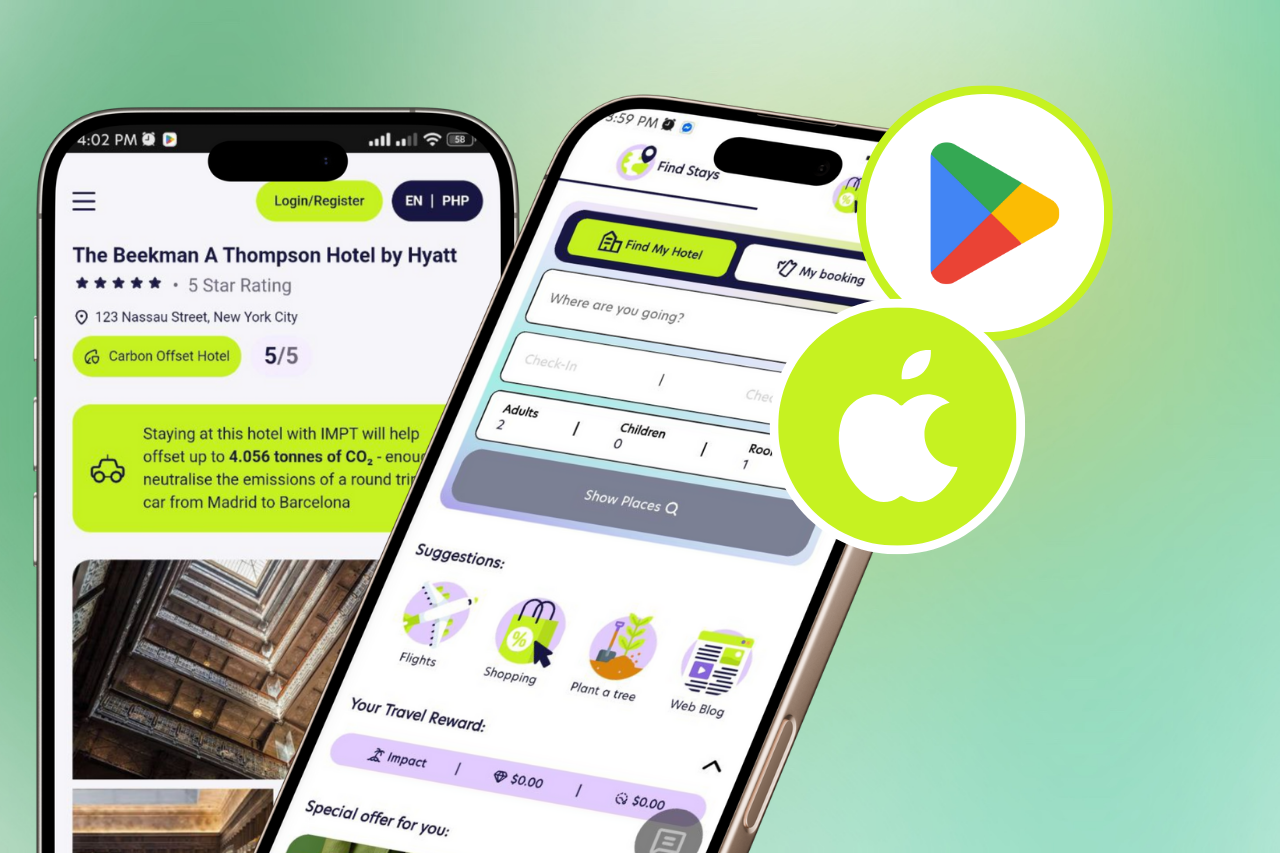
In 2025, meeting global sustainability regulations is a top priority for companies—especially those in travel-intensive sectors. This article explores how IMPT.ai B2B enables streamlined ESG compliance by automating travel emissions tracking, transparent carbon offsetting, and regulatory reporting, empowering businesses to future-proof their sustainability strategies with minimal administrative hassle.
The Shifting Landscape of Global Sustainability Regulations
As awareness of climate change grows, sustainability regulations are evolving rapidly. Companies worldwide face mounting demands to align their operations with Environmental, Social, and Governance (ESG) standards. By 2025, the European Union will implement strict reporting requirements through regulations such as the Corporate Sustainability Reporting Directive (CSRD) and the Sustainable Finance Disclosure Regulation (SFDR), which require clear and comparable disclosures of corporate sustainability performance.
The CSRD expands reporting obligations to a broader range of companies, emphasizing transparency and accountability—requiring businesses to assess not just direct environmental impacts but also supply chain emissions. The SFDR, meanwhile, targets financial market participants, holding them accountable for the sustainability risks associated with their investment decisions. Both regulations leverage frameworks like the Greenhouse Gas Protocol, which guide the measurement and management of emissions across all scopes.
Corporate travel emissions are under heightened scrutiny as organizations recognize travel as a significant share of their overall carbon footprint. Industry reports suggest that up to 78% of companies intend to reduce travel emissions to comply with future regulations. As travel becomes central to sustainability strategies, businesses must be prepared to quantify, report, and address these emissions. Non-compliance brings risks, including penalties, lost investments, and eroded stakeholder trust—as sustainability becomes a competitive differentiator.
- Heightened consumer expectations: Brands are increasingly chosen based on their environmental commitments.
- Market consequences: Non-compliance risks reputational damage and decreased market share.
- Supply chain integration: Firms must now assess direct and indirect emissions alike.
With regulations advancing, the need for innovative compliance solutions has never been greater. Next-generation blockchain travel solutions, such as those provided by IMPT, aim to streamline ESG compliance by simplifying the measurement and reporting of travel-related emissions. This ensures corporate travel can be managed sustainably, meeting both regulatory obligations and consumer expectations.
The Challenge of Corporate Travel Emissions and Reporting
Complexities in Emissions Tracking and Data Management
As sustainability regulations become more rigorous, tracking, reporting, and managing travel-related emissions present significant hurdles for companies. Traditional manual processes, often reliant on spreadsheets and siloed systems, make accurate measurement difficult and error-prone. This complicates consolidating data across various departments and sources, increasing the risk of inaccuracies and delays in meeting ESG goals.
Employee Engagement and Offsetting Barriers
Behavioral friction can impede voluntary offsetting efforts. Many employees feel overwhelmed by the complexities of carbon offsets or lack awareness of how their travel impacts emissions—leading to apathy and low participation in carbon-reduction initiatives. When offsetting does occur, fragmented processes and the absence of integrated solutions further hinder organizational momentum toward sustainability.
Administrative and Resource Constraints
The administrative burden of capturing Scope 1, 2, and 3 emissions adds layers of difficulty:
- Scope 1: Direct operational emissions—typically easier to track
- Scope 2: Indirect emissions from energy consumption
- Scope 3: Indirect emissions from supply chains, travel, and commuting—most complex
Smaller firms especially may lack the infrastructure or staff for robust tracking. With regulations varying by region and industry, compliance becomes even more daunting. Failure can bring fines, reputational harm, and increased costs.
Automated, streamlined solutions—like IMPT’s—are critical to overcoming these pain points, enabling companies to integrate sustainable practices seamlessly across operations.
How IMPT B2B Transforms Sustainability Compliance
Blockchain-Powered Transparency and Tracking
IMPT B2B revolutionizes ESG compliance for corporate travel by automating key processes. Its blockchain-based tracking system records every travel transaction—such as flights or accommodations—on the Ethereum blockchain. This provides real-time, verifiable data, minimizing risks of double-counting or greenwashing and offering corporations reliable evidence for regulatory compliance.
Automated Carbon Offsetting and Cost Management
IMPT B2B’s standout feature is automatic carbon offsetting through smart contracts. Each travel transaction is linked to a corresponding carbon offset, eliminating the need for manual engagement with disparate offset programs. This ensures instant carbon neutrality for business travel.
The platform also offers access to global hotels with exclusive corporate rates, aiding cost management while supporting sustainability goals. With over 20,000 retail and hospitality partners, companies can easily select eco-friendly accommodations, strengthening their sustainability policies.
Simplified ESG Reporting
IMPT B2B removes administrative complexity with regulation-aligned, ready-made reporting tools. Comprehensive reports—reflecting travel emissions, offsets, and overall impact—can be generated in minutes, streamlining compliance documentation for businesses of all sizes.
By positioning travel as a strategic climate action instrument, IMPT enables companies to improve regulatory compliance and enhance brand reputation—empowering them to lead in sustainability and attract environmentally conscious stakeholders.
To explore more about the underlying technology and mission, visit IMPT’s About Us and whitepaper.
Technology Under the Hood: Blockchain, Tokens, and NFT Carbon Credits
Ensuring Transparency through Blockchain
IMPT’s technological foundation leverages the Ethereum blockchain to make every transaction—carbon credits and travel bookings—secure, accessible, and auditable. Blockchain verification directly addresses common challenges in the carbon market:
- Double-counting prevention: Every carbon credit is issued as an NFT under the ERC-721 standard, ensuring uniqueness and traceability.
- Greenwashing mitigation: Once a credit is redeemed or retired, its record cannot be altered or reused.
Tokenization and Economic Incentives
The IMPT ecosystem uses the ERC-20 IMPT token as a medium for transactions—including purchasing offsets, rewards, and loyalty incentives. The token’s deflationary model (token burning upon credit retirement) fosters scarcity and incentivizes ongoing participation while aligning business actions with environmental impact.
Practical Integration and Regulatory Alignment
Corporate users benefit from fully automated tracking. Booking travel through IMPT B2B automatically calculates and offsets emissions, with every step securely documented. Built-in reporting tools generate compliance-ready documentation for international frameworks—essential for both internal and public disclosures.
This synergy of blockchain, tokens, and NFTs signifies a new era in travel management, converting business travel from a carbon liability into a proactive sustainability solution. For more technical details, see the IMPT whitepaper.
A Step-by-Step Guide to Automated ESG Reporting and Compliance
Onboarding and Domain Activation
IMPT B2B offers a simplified, stepwise journey toward ESG compliance:
- Request a Coupon: Companies access IMPT’s platform and select offerings linked to emission reduction targets, setting the foundation for responsible travel management.
- Onboard Employees: Intuitive tools provide onboarding support and training, helping staff engage effectively with sustainability processes and fostering a unified culture of responsibility.
- Domain-Based Activation: Businesses define functional domains (e.g., travel, energy) to focus efforts and align reporting with recognized standards like the Greenhouse Gas Protocol.
Real-Time Management and Reporting
Through IMPT’s dashboard, organizations visualize emissions, track offsets, and receive analytics-driven insights. Quarterly ESG reports align with regulatory mandates, eliminating the complexity of traditional reporting. Automated blockchain-based tracking ensures data transparency and eliminates inaccuracies.
Budgeting and Engagement
The platform’s budgeting tools allow organizations to allocate funds toward sustainability initiatives and monitor progress centrally. Interactive features—including rewards and recognition—motivate employees to participate actively, strengthening company culture while supporting compliance and environmental impact.
IMPT B2B’s comprehensive approach guides companies seamlessly through every stage, making ESG compliance efficient, transparent, and engaging for all stakeholders.
Maximizing Impact: Dual-Use Perks and Employee Engagement
Integrating Corporate and Personal Travel
IMPT B2B’s dual-use booking model enables employees to arrange both corporate and personal travel through a unified platform. This not only optimizes resources but encourages responsible travel choices, reinforcing the company’s green credentials and simplifying sustainability management.
Employee Incentives and Gamification
IMPT introduces dynamic engagement strategies:
- Carbon rewards: Employees earn IMPT tokens for sustainable bookings and practices.
- Gamification: The IMPT Score system motivates users through friendly competition and real-time feedback.
- NFT collectibles: Recognize employees’ achievements and commitment to sustainable travel.
- Personal incentives: Bonuses or discounts encourage eco-friendly choices in both business and personal travel.
This innovative approach builds a sense of community, motivating individuals to integrate sustainability into their work and personal habits. Companies adopting this model report measurable gains in both compliance and employee satisfaction—a win-win for meeting regulatory and cultural goals.
Real-World Impact: Global Reach and Project Examples
Expansive Network and Sustainability Initiatives
IMPT’s global footprint—spanning 195 countries with over 20,000 retail partners—enables client companies to make sustainability-focused travel decisions worldwide. Through a platform that provides access to 7 million hotels, businesses can select accommodations that match their environmental objectives, with integrated carbon offsetting supporting these efforts.
Exemplary Offset Projects
- India: Partnerships with solar energy initiatives reduce fossil fuel dependence and expand electricity access.
- Spain: Involvement in wind farm development generates clean energy and supports local economies.
- Colombia: Reforestation projects restore native forests, promote biodiversity, and support community job creation.
- Europe: Circular economy collaborations encourage greener business practices aligned with EU regulations.
User Experience and Measurable Benefits
Client testimonials illustrate real-world value: A small business reported, “By partnering with IMPT, we’ve streamlined travel management, improved ESG reporting, and achieved a 30% reduction in our carbon footprint over the past year.” Larger corporations echo these results, noting time savings and simplified compliance through automated tracking and reporting.
This global impact positions IMPT not only as a compliance tool but as a catalyst for broader environmental and organizational progress.
Navigating Limitations and Future Developments
Current Constraints
- Separate invoicing: Handling diverse travel services can complicate financial tracking.
- Hotel-only scope: Present limitations mean not all travel-related emissions are captured.
- Reporting customization: Large enterprises may require more tailored reporting than currently offered.
- Crypto market volatility: Token value fluctuations may concern some corporate users.
Planned Enhancements
- Integration of flight booking for comprehensive travel management
- Deeper ESG integrations to align with evolving regulations
- White-label options for brand customization
- Exploration of DAO governance for improved stakeholder participation
IMPT’s proactive roadmap aims to address these limitations, enhance user experience, and adapt to the increasingly demanding landscape of corporate sustainability.
Why IMPT.ai Sets the Standard for Effortless ESG Compliance
Automated, Integrated Sustainability
IMPT sets a new standard in ESG compliance by embedding carbon offsetting into every booking—removing the need for manual steps and ensuring every travel decision advances corporate sustainability objectives. This approach is particularly advantageous as regulations tighten and business travel management grows more complex.
Transparency and Customization
All transactions are verified on-chain, providing auditable, real-time data and simplifying compliance with international standards. With customizable reporting features, organizations of any size—from small businesses to global enterprises—can accurately communicate their ESG performance to stakeholders.
IMPT’s responsive development ensures continuous alignment with emerging regulations, helping companies stay ahead in sustainability leadership while reducing workflow complexity.
As a strategic partner, IMPT empowers businesses to integrate sustainability seamlessly and credibly, helping them to thrive in a market that prioritizes responsible travel and transparent corporate citizenship. For more details, consult the IMPT FAQs.
Conclusions
Global sustainability requirements are evolving rapidly, pressuring companies to track, offset, and transparently report travel emissions. IMPT B2B differentiates itself by delivering effortless ESG compliance—leveraging blockchain for total transparency, automating each step from booking to reporting, engaging employees, and supporting impactful projects worldwide. To discover how IMPT B2B can elevate your organization’s compliance and sustainability goals, visit our IMPT B2B solutions page.
Written by Daniel Fisher, Blockchain Analyst at impt.io