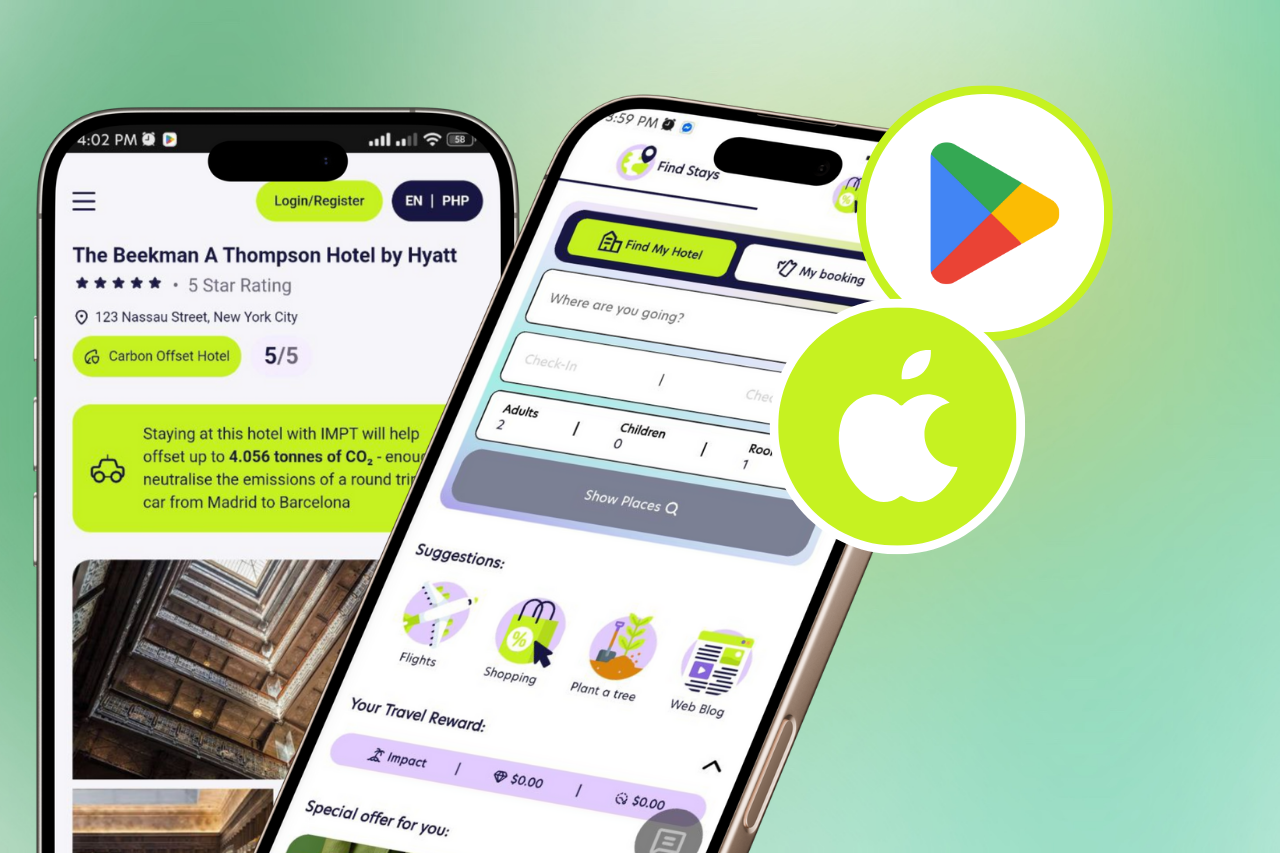
The IMPT carbon-tech franchise model brings together blockchain technology and environmental impact, empowering individuals and businesses to own a stake in the carbon offset market. This article explores how IMPT’s unique approach to regional digital franchise ownership aligns recurring revenue with global sustainability goals—and why this opportunity is reshaping both green investing and the future of digital entrepreneurship.
The Rise of Carbon-Tech and Digital Franchising
The intersection of carbon-tech and digital franchising has created an innovative model to tackle climate change by making carbon offset solutions more accessible. As climate change’s impacts grow, the urgency for effective, user-friendly carbon offset options intensifies. Historically, barriers like complex registration, lack of transparency, and limited accessibility hindered the traditional carbon credit market for individuals and small businesses.
Carbon credits, which represent permission to emit a set amount of greenhouse gases, have become vital tools in combatting climate change. Buying and selling these credits allow businesses—and now individuals—to balance carbon footprints by purchasing credits equal to their emissions. This system provides dual benefits: incentivizing emission reductions and generating funds for eco-friendly initiatives. Notably, the global carbon credit market is projected to reach hundreds of billions in value by 2030, underlining their importance to international climate goals, such as those outlined in the Paris Agreement.
Digital platforms, enhanced by blockchain, have been pivotal in democratizing this process—allowing even consumers and small enterprises to participate in carbon offsetting. Blockchain introduces transparency by letting users trace the lifecycle of carbon credits, preventing double-counting, and building trust within the market. The immutability of blockchain not only enforces accountability but also streamlines regulatory compliance, helping businesses manage carbon accounting challenges.
The digital franchise model transforms the carbon offsets space, offering a sustainable, lucrative entrepreneurship avenue aligned with climate goals. By leveraging advanced technology and a tokenized approach to carbon credits, individuals and small enterprises can take business ownership into their own hands, making revenue generation synonymous with impactful climate initiatives. This alignment between economic opportunity and environmental responsibility is at the core of IMPT’s offering.
With these advances, the rise of carbon-tech and digital franchising signals a transformative era in sustainability-focused entrepreneurship. More people and businesses can now easily engage with carbon offsetting, expanding global impact and accelerating the shift to a low-carbon economy. The fusion of technology and entrepreneurial action is laying the foundation for a future where carbon offsets become both an obligation and a strategic, profitable part of business.
Decoding IMPT’s Carbon-Tech Franchise Model
Staking, Ownership, and Recurring Revenue
IMPT’s carbon-tech franchise model offers individuals and businesses a unique path to climate action while generating sustainable passive income. The core framework is the staking of IMPT tokens, which grants exclusive regional or national franchise rights—and the potential for recurring revenue from tagged user activity.
Participants lock a predetermined amount of IMPT tokens to secure a specific territory. This is more than a passive investment: franchisees become key agents in promoting carbon offsetting locally, with the staking lock period fostering long-term commitment to IMPT’s mission. Accountability and environmentally aligned incentives are built in at every step.
User Tagging and Revenue Generation
User tagging is a strategic feature that tracks individual carbon offsetting activity across the IMPT platform, whether through eco-conscious shopping or booking sustainable travel (see IMPT’s travel platform). Revenue generated by these tagged users in a franchisee’s region translates into ongoing income for that franchisee, creating a robust source of recurring revenue that grows with engagement.
- Blockchain Smart Contracts: Each franchisee receives a unique, verifiable asset on-chain, defining operational territory and enhancing security and transparency.
- Tradable Ownership: Franchise rights can be bought, sold, or inherited, making them valuable digital assets.
- Community Empowerment: Local entrepreneurs champion sustainable practices and can see direct financial benefit from their advocacy.
For instance, a franchisee in Scandinavia might guide local businesses to adopt sustainable practices via the IMPT platform. With every purchase or travel booking by a tagged user, the franchisee earns a portion of generated revenue—underscoring how IMPT merges eco-impact with financial opportunity. This model gains further momentum as the demand for carbon offsets grows and IMPT’s partner network expands worldwide.
By tying economic reward to measurable climate action, IMPT equips local entrepreneurs to drive lasting change. Digital territorial ownership transcends traditional business boundaries, offering a new era of eco-entrepreneurship in response to sustainability imperatives.
Behind the Technology: How IMPT Ensures Transparency and Trust
Blockchain for Environmental Integrity
IMPT leverages blockchain and smart contracts to create a transparent, verifiable, and tamper-proof system for carbon offsetting. Every user action is logged on a decentralized ledger, guaranteeing that each carbon credit is unique, authentically tracked, and never double-counted.
Smart contracts automate verification: carbon credits are tokenized as NFTs, creating digital certificates of authenticity for every offset credit. This eliminates past vulnerabilities, ensuring all activity—whether retail purchases or travel bookings—links directly to on-chain records and wallets. For franchisees, operational rights and ownership are likewise represented by NFTs, making transfers or inheritance secure and efficient.
Operational Tools for Franchisees
The IMPT dashboard provides franchisees with real-time analytics—including user engagement statistics, carbon credits earned, and total environmental impact. These insights support data-driven decisions for growing customer bases and optimizing marketing strategies, ensuring franchise initiatives align with global sustainability goals.
By fusing blockchain with intuitive management tools, IMPT makes transparency, accountability, and digital asset security core components of the carbon economy.
Step-by-Step: Becoming an IMPT Franchise Owner
Research and Preparation
Prospective franchise owners should begin by thoroughly exploring IMPT.io’s vision and operations. This includes understanding blockchain’s impact on carbon credits, the mechanics of IMPT staking, and the scope of retail and travel partnerships via the projects directory.
Token Acquisition and Staking
- Acquire IMPT Tokens: Access to the ecosystem requires acquiring and managing IMPT tokens, which function as currency and staking collateral.
- Stake IMPT Tokens: Locking tokens is required to secure a regional or national franchise and activate reward structures.
Onboarding and Operations
- Identity Verification: IMPT’s onboarding process secures the network and franchise ecosystem.
- Dashboard Access: Use the IMPT dashboard to monitor engagement, earnings, and impact in real time for strategic growth.
- Local Promotion: Franchisees are expected to promote the business, engage the community, and foster support for carbon offsetting. Organizing events and partnerships with eco-friendly organizations can amplify impact.
- Remote Operation: Manage the franchise online, with flexibility to grow beyond physical boundaries and maximize potential reach.
Maximizing Earnings and Planning for the Future
- APY Rewards: During the staking lock period, franchisees earn annual percentage yield (APY), generating passive income while contributing to climate goals.
- Exit and Transfer: Franchise ownership can be transferred or sold, safeguarding digital asset value and planning for succession.
- User Engagement Strategies: Optimize user experiences, introduce loyalty rewards, and build strong retail and travel partnerships to drive recurring transaction volume—and revenue.
By carefully following these steps, franchisees can become a vital part of the blockchain-powered carbon-tech landscape, achieving both financial success and meaningful climate impact. Additional resources and guides can be found in the IMPT Whitepaper and FAQs.
Revenue Streams and Market Potential for Franchisees
Diverse Earning Opportunities
- Margin Revenue from Carbon Credits: Franchisees profit from the difference between acquisition and sale price of tokenized carbon credits. High transaction volumes quickly compound potential income.
- Commissions through Shopping and Travel: Earnings derived from user purchases on IMPT’s retail and travel platforms—often featuring global brands.
- APY from Staking: Staking IMPT tokens yields annual returns, building reliable passive income as the ecosystem grows.
- Future Upside: As demand for carbon credits and eco-conscious spending accelerates, franchisees stand to benefit from market growth and increased platform adoption.
For example, a franchisee facilitating $100,000 in monthly user spend at a 5% commission earns $5,000. With e-commerce sales forecasted to reach $7 trillion globally by 2025, and the carbon offset market projected to soar, the synergy between these sectors creates immense revenue potential.
Scenarios of Franchisee Success
- Small franchisees with local partners can generate $50,000–$100,000 annually.
- Medium operators engaging more partners and frequent users may exceed $250,000 in revenue.
- Large franchisees with wide territorial rights and strong networks can reach seven-figure incomes by leveraging both retail and travel trends.
In summary, IMPT’s model combines multiple revenue channels—margin, commission, and staking rewards—allowing franchisees to build sustainable incomes while promoting climate action. The growing market for sustainable products and travel further amplifies this opportunity.
Challenges, Critiques, and IMPT’s Resilience
Addressing Industry and Model Challenges
- Cryptocurrency Volatility: The value of carbon credits and IMPT token earnings is affected by market swings. IMPT mitigates this with transparent APY structures, predictable staking rewards, and a stable financial model.
- Territorial Pricing Disparities: Geographic differences in carbon credit costs can pose entry barriers. IMPT counters this with standardized, marketplace-driven pricing to offer equal footing for franchisees worldwide.
- Staking Requirements and Technical Barriers: Not all franchisees are familiar with crypto mechanics. IMPT provides robust educational resources and supportive onboarding, turning a potential weakness into community empowerment.
- Franchisee Intermediation: While intermediary involvement can introduce costs or friction, IMPT’s smart contract-driven platform streamlines peer-to-peer engagement, minimizing traditional bottlenecks.
IMPT’s model has shown resilience and traction, supported by partnerships with over 25,000 retailers and a large ecosystem of travel providers—a testament to market demand. Its flexible, stakeholder-focused approach means the platform continuously evolves, adapting to feedback and new sustainability standards. This proactive engagement ensures IMPT remains at the forefront of democratizing carbon markets and facilitating climate action through digital entrepreneurship.
The IMPT Vision: Empowering Climate Action with Decentralized Ownership
Team, Partnerships, and Marketplace Innovation
IMPT is driven by a leadership team with expertise spanning finance, blockchain technology, and regulatory compliance, positioning the platform for long-term innovation. Strategic alliances with major retailers and travel providers give franchisees opportunities for passive income and user rewards on everyday purchases and travel bookings.
The marketplace for carbon credits lets users buy, sell, and retire tokenized credits, promoting both environmental action and franchise profitability. Social and gamified features, such as an impact scoring system, deepen user engagement, foster climate-conscious communities, and incentivize sustained participation.
Paving the Way to Global Climate Solutions
IMPT’s vision extends beyond transactions to integrate ESG (Environmental, Social, and Governance) standards and drive global business transformation. By making it easy for businesses and individuals to act on sustainability—through every purchase—IMPT accelerates progress toward climate targets and opens new avenues for economic participation in the green economy.
Early adopter stories help bring the IMPT ecosystem to life. Small business franchisees have leveraged their rewards to fund local sustainability projects, and users have reported seamlessly offsetting travel emissions, reinforcing the tangible benefits of IMPT’s decentralized model. These stories illustrate the platform’s ability to blend financial gains with purposeful, measurable impact—empowering participants to actively shape a more sustainable future.
Conclusions
IMPT’s carbon-tech franchise model sits at the intersection of digital innovation and environmental stewardship, enabling anyone to profit and contribute to climate action. Combining blockchain transparency, real-world revenue opportunities, and scalable reach, IMPT opens powerful new pathways for sustainable entrepreneurship as demand for carbon offsetting grows worldwide.
Learn more about becoming part of this movement—and explore IMPT’s mission and technology—by visiting the IMPT About Us page.
Written by Michael Carter, Blockchain Analyst at impt.io