The Alpe d’Huez Bike Park — centred on the Grandes Rousses massif in the Isère — is one of those mountain bike venues that earns a different kind of respect depending on your skill level. Beginners experience the magic of real alpine riding for the first time. Intermediate riders find themselves pushing harder than they expected. Advanced riders discover that a World Cup downhill track is exactly as demanding as it should be. Whatever level you ride at, the park has something that will challenge and reward you in equal measure.
The park’s 100+ kilometres of marked trails span an enormous elevation range, from high-alpine access above 3,000 metres to valley trails near the resort base. Understanding which zones suit your level — and how to connect them efficiently — is the key to getting the most from a riding day here. This guide breaks it down by skill level, then adds the practical information you need to execute.
Green Level: First Rides on Real Mountains
The Alpe d’Huez Bike Park’s green trails are not loop trails in a flat area with minor undulations — they’re genuine mountain trails at gentle gradients, which means new riders get a meaningful experience without the consequences of steeper terrain. The lower resort trails and the approaches to the mid-mountain bike park zones are graded green and give beginners a taste of real alpine singletrack.
For families or riders who are completely new to lift-accessed biking, the lower green network serves as an excellent orientation zone. Natural surfaces, small rocks, and gentle drainage channels all appear on the green trails, building the basic terrain-reading skills that become critical as difficulty levels increase. Spend half a day here if you need to — there’s no shame in building from the right foundation on a mountain this technical.
The green trails also serve as linking routes between zones, so even experienced riders will pass through them when navigating between different sections of the park.
Blue Level: The Heart of the Grandes Rousses Experience
Blue trails in Alpe d’Huez carry a specific character that’s worth preparing for: these are natural mountain trails with proper alpine character, which makes them feel harder than blue trails in more sculpted parks. Surface conditions vary — dusty and firm in dry mid-summer, wetter and trickier after rain. Rock features are natural rather than shaped. Gradient can be inconsistent, with steeper sections appearing without much warning.
This is not a criticism — it’s what makes the blues here genuinely excellent riding. You’re on a real mountain. The trail responds to weather, season, and usage in ways a purely shaped park trail doesn’t. That authentic character is exactly what draws riders to alpine riding over lower-altitude alternatives.
The mid-mountain blue zone above the main resort is particularly rewarding — long, flowing traverses that cover real horizontal distance before dropping into valley approaches, with views across the Romanche valley and toward the Belledonne range that stop you in your tracks. Literally, sometimes. Brake for the view. It’s worth it.
Red Level: Technical Alpine Riding Gets Serious
Alpe d’Huez’s red trails are where the park’s World Cup pedigree starts to become legible in the terrain. These are demanding, technical descents that require consistent two-wheeled competence and the ability to read and react to changing terrain at speed. The rock quality in the Grandes Rousses — a compact, grippy type that holds a line well when dry but can be treacherous when wet — is a defining feature of the red trail experience.
The Roche Mallard zone offers some of the park’s best red-level riding: sustained steep sections, natural rock drops with legitimate airtime, and switchback sequences that demand precise braking and corner entry technique. Riders who can ride this zone confidently are ready to start exploring the black trails.
The red trails on the approach to the lower bike park — the transition zone between the upper mountain terrain and the valley — include some of the most technically varied riding in the park. Surface goes from compact alpine rock to rootier, looser soil as you drop in altitude, requiring constant adjustment of riding style and tyre pressure management.
Black Level: World Cup Terrain Open to the Public
The crown of the Alpe d’Huez Bike Park is the UCI World Cup Downhill track, open to the public between race periods. This is black-graded, full-consequence terrain with features built to the specification of the world’s fastest downhill riders. Let’s be clear about what that means in practice.
The track is long. The World Cup format at Alpe d’Huez uses significant vertical and horizontal distance, and riding the full course top to bottom is a real physical effort even before you account for the technical demands. The upper section is rocky and exposed, with large natural rock features and high-speed sections that require full commitment to a line. The mid-section tightens into a technical rock garden that has claimed far more elite riders than it has spared. The lower section opens up into higher-speed rhythmic sections before a final technical passage into the finish area.
For recreational riders: go slowly on your first run. Walk sections you’re not confident about. Watch other riders pick their lines before committing. And wear a full-face helmet. This is not optional advice — it’s the appropriate response to terrain of this grade.
Other black trails in the park are less famous but equally demanding in different ways — steeper pitches, tighter trees, more technical rock features. All require full protective gear and an honest assessment of your ability.
Lift Access and Practical Park Information
The main lift for bike park access is the gondola from the resort base, with chairlifts providing connections to different zones of the mountain. The full park map is available from the resort’s tourist office and online, with elevation profiles and difficulty gradients marked clearly.
Summer season typically runs from late June to mid-September, with the full upper mountain access available from mid-July once snowpack allows. The high-altitude zones may be closed or restricted early and late in the season. Always check daily trail status at the bike park office or resort website — alpine conditions change quickly and some trails close after significant rain or early snowfall.
Bike rental is available in the resort with high-quality enduro and downhill bikes, including body armour hire. If you’re riding the black trails, rent a full-suspension downhill bike or bring your own well-tuned enduro rig.
Where to Stay Near the Alpe d’Huez Bike Park: Book Smart with IMPT
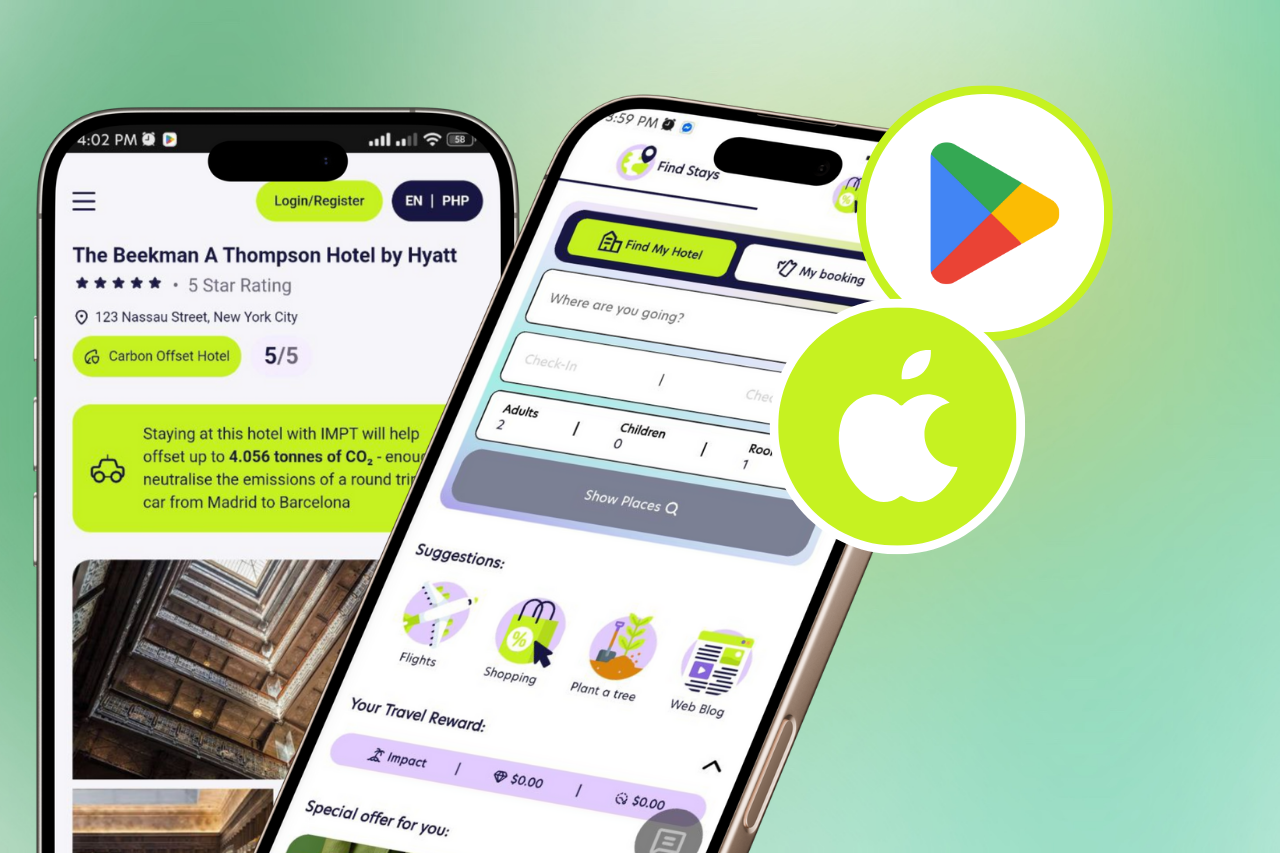
The resort of Alpe d’Huez is relatively compact and most accommodation is within easy reach of the main gondola. When booking your stay, using impt.io is the smart choice for riders who care about the mountains they ride in.
Every booking made through impt.io earns approximately 5% back as on-chain carbon credits, retired in your name. The Grandes Rousses glacier — visible from the upper bike park access points — has been retreating measurably. The environmental context of riding here is impossible to ignore when you’re staring at a shrinking snowfield from your gondola. Earning carbon credits on your accommodation is a concrete, verifiable step toward offsetting the impact of your trip, and impt.io makes it automatic.
Find your hotel in Alpe d’Huez at ~IMPT
Ride the Mountain That Hosts the World’s Best
The Alpe d’Huez Bike Park covers more terrain, more vertical, and more difficulty range than most riders will fully explore in a single visit. That’s the sign of a truly great riding destination — one that keeps giving, regardless of how many days you put in. From the first tentative green trail lap to the full World Cup track send, there’s a progression path here for every rider. Know your level, build gradually, and let the mountain do the rest. It’s very good at it.