
#1
5.0/5
Find a great-value room for tonight, tomorrow, this weekend, or same-day near you across 8 million hotels in 190+ countries. Every IMPT booking removes 1 ton of CO₂ via Climeworks direct-air-capture — at the same price you’d pay direct.
Search 8M+ last-minute hotels →Last-minute hotels are bookings made within 24–72 hours of check-in — the window where hotels start dropping prices to fill unsold inventory. A single empty room at 11 pm is revenue gone forever, which is why properties cut rates rather than leave the night blank. Same-day and next-day rates often run 10–40% below the price the same room would have cost seven days earlier. By late 2025, roughly 38% of all hotel searches were being made within 28 days of arrival — last-minute and same-day booking is now mainstream, not a fallback.
Below are 30 top-rated hotels worldwide available to book last-minute through IMPT — every one with at least 300 verified guest reviews and a 9.5+ rating. You pay the same nightly rate as Booking.com or directly with the hotel, but the climate cost gets cancelled out via 1 ton of verified CO₂ removal.
Same hotel, same room, same nightly rate as Booking.com or Expedia. Real-time availability for tonight, tomorrow, and the weekend.
A share of every booking goes to Climeworks-verified direct-air-capture — permanent, measurable, third-party audited.
Tracked on-chain, attributed to your stay. Worth ~40× the CO₂ a typical hotel night produces.
Search 8 million last-minute hotels in 190 countries — same prices, instant confirmation, carbon removed.
Find a last-minute hotel near you →Ranked by verified guest reviews. Every hotel is rated 9.5/10+ by at least 300 guests and has live last-minute availability through IMPT. Click any name for tonight’s rates.







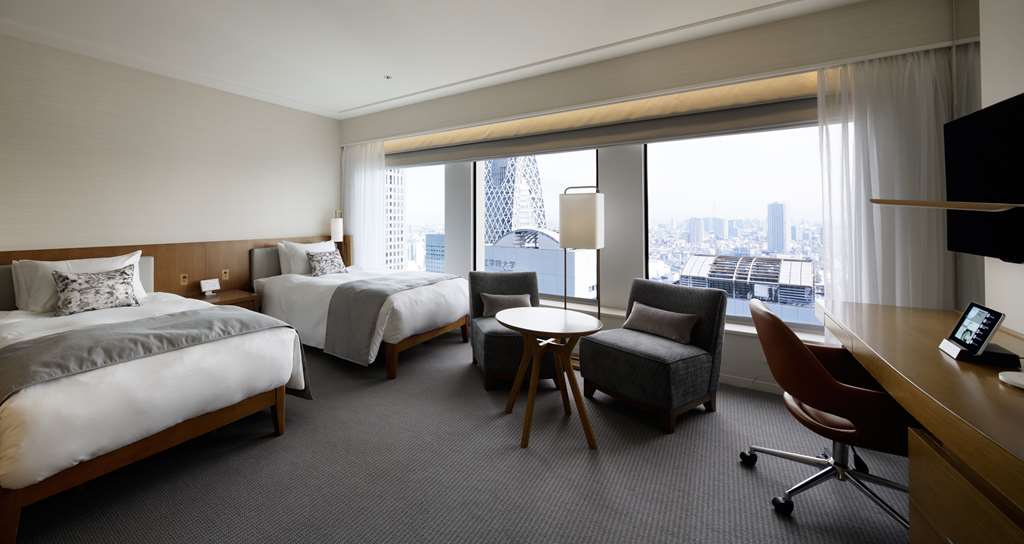

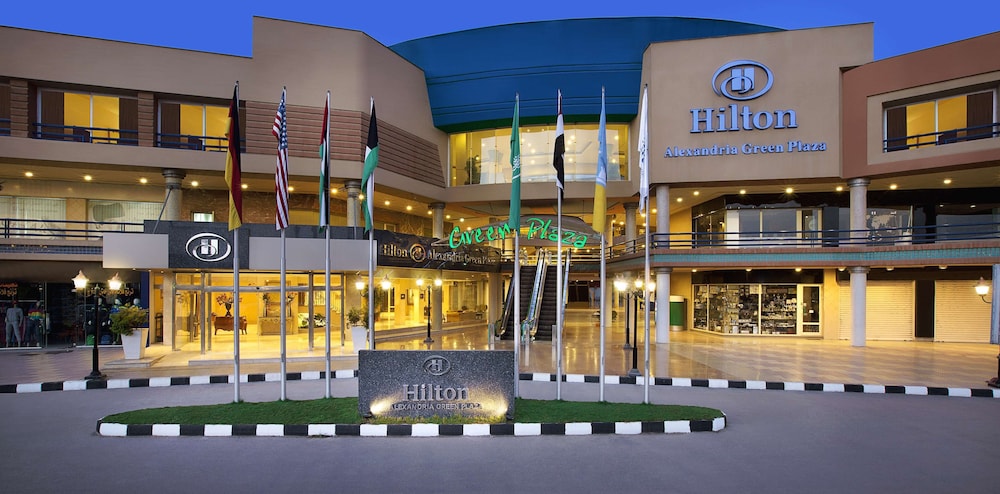

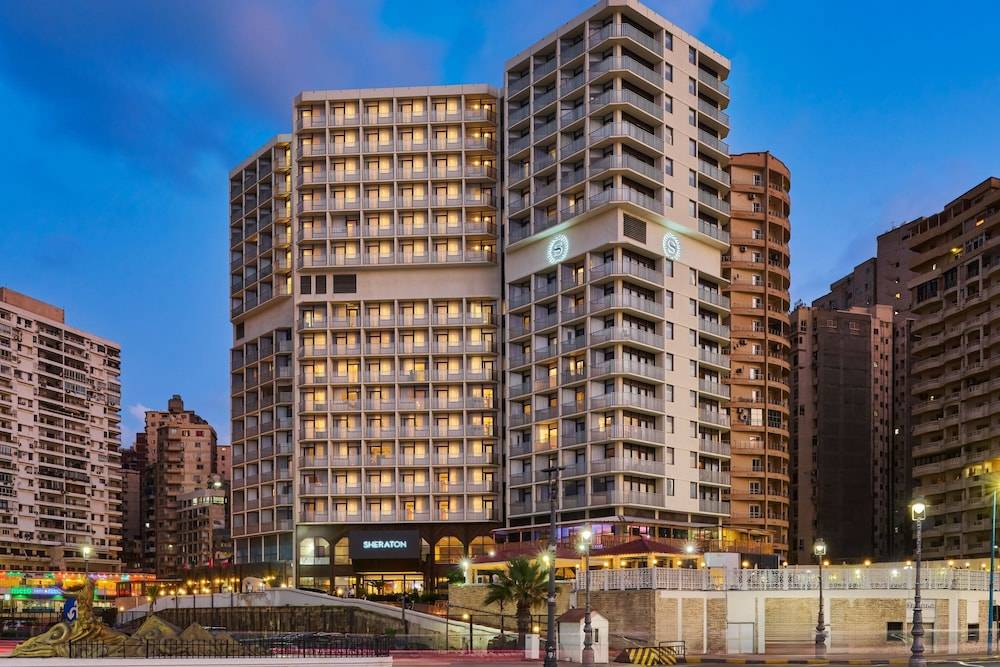


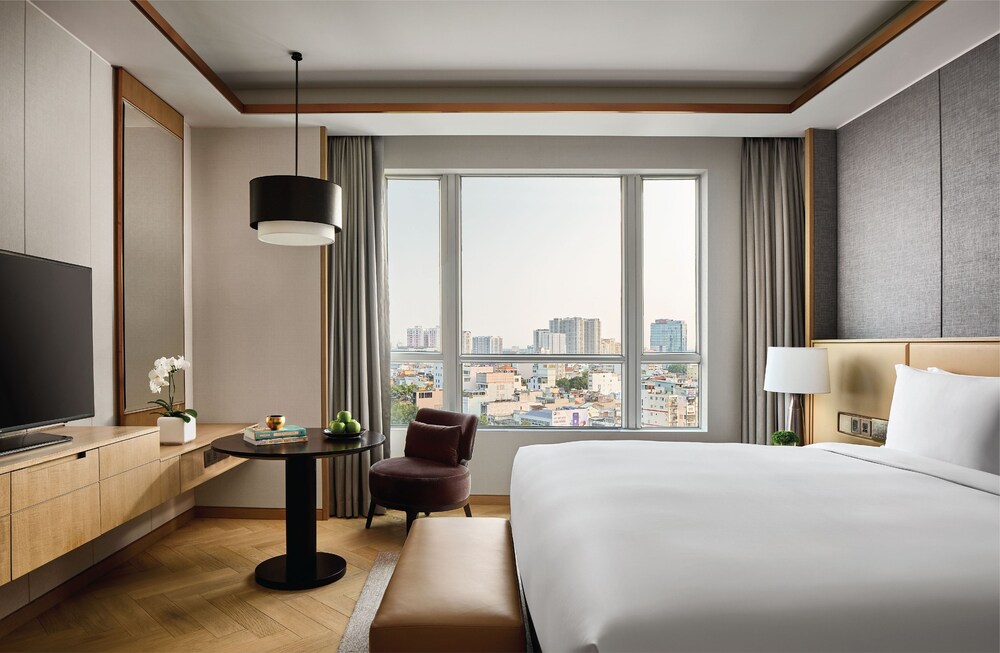
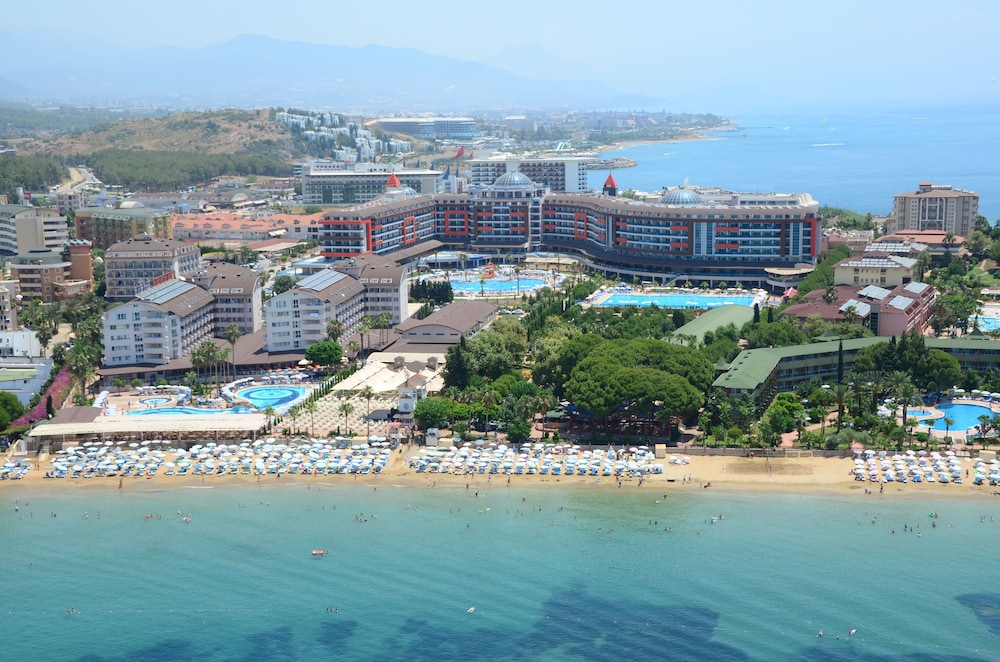













Our network covers 8 million properties in 190+ countries — every single one bookable last-minute with carbon removal included.
Search all last-minute hotels →Hotels use revenue management software that monitors occupancy in real time and automatically adjusts pricing. When a property is tracking below its target occupancy for a given night — typically anything under 80% with less than 24–48 hours to go — the system begins lowering rates, unlocking last-minute deals that weren’t available a week earlier.
The factors that trigger deeper discounts include: low advance bookings for the date, competing hotels dropping prices first, slow-demand periods (weekday nights in business-heavy cities, off-season windows), and the hotel’s internal threshold for minimum acceptable revenue per room. The sweet spot for last-minute deals is the window between 24 hours and 6 hours before check-in. Through IMPT, every booking in that window also includes 1 ton of CO₂ removal via Climeworks direct-air-capture in Iceland — so the room costs the same, and the climate cost gets cancelled.
Why they exist, when they appear, and how to time your search to catch the best rates.
Hotels use revenue management software that monitors occupancy in real time and automatically adjusts pricing. When a property is tracking below its target occupancy for a given night — typically anything under 80% with less than 24–48 hours to go — the system begins lowering rates, unlocking last-minute deals that weren’t available a week earlier.
The factors that trigger deeper discounts include: low advance bookings for the date, competing hotels dropping prices first, slow-demand periods (weekday nights in business-heavy cities, off-season windows), and the hotel’s internal threshold for minimum acceptable revenue per room. The sweet spot for last-minute deals is usually the window between 24 hours and 6 hours before check-in.
For hotels, yes — last-minute bookings are frequently cheaper than booking weeks in advance, particularly in cities and for mid-range to luxury properties. A hotel would rather sell a room at 60% of rack rate than earn nothing from it. Data from major travel platforms consistently shows same-day hotel rates running 10–40% below the rates available seven days out, depending on destination and season.
Flights work differently — airlines typically raise prices as seats fill and departure approaches, so last-minute flights are almost always more expensive. The winning combination is booking flights early (or using points) and leaving the hotel until the last 24–48 hours to catch the deepest discounts.
Yes, and this is one of the least-known facts about hotel booking. Hotels routinely hold back 5–10% of their inventory to manage overbooking risk, VIP arrivals, and last-minute corporate requests. As the check-in date approaches and those reserved rooms go unclaimed, they’re released into the general pool — sometimes with attractive rates attached. Searching late on the day of arrival often surfaces rooms that simply weren’t visible 24 hours earlier.
For last-minute bookings, Friday and Saturday tend to offer the best prices in business-oriented cities, because corporate travellers have checked out and leisure demand hasn’t fully kicked in. Sunday and Monday nights are often the cheapest to actually stay in a business-heavy destination — the hotel is quiet, and managers are keen to fill rooms before the corporate week begins.
For advance booking (more than a week out), Sunday is consistently the best day to search and purchase. Hotels tend to review and reprice inventory on Monday mornings, so Sunday rates reflect whatever discounts were applied over the weekend. Setting a price alert on Thursday or Friday and booking on Sunday morning is a reliable strategy if you’re planning ahead.
Sunday generally edges out Monday as the cheaper day to book — not to stay, but to make the purchase. The difference is usually modest (1–5%), but it’s consistent enough to be worth noting. Hotel revenue managers run their weekly pricing reviews on Monday morning, which can push rates up as new forecasts come in. Booking on Sunday means you’re capturing rates before that Monday reprice.
That said, day-of-week matters much less than how far in advance you’re booking and what your destination is. A Sunday booking for a peak weekend in a popular city will still be expensive. Use day-of-week timing as a small optimisation, not the main strategy.
There’s no single answer because it depends on the destination, season, and property type. For leisure destinations and city hotels, booking 1–3 weeks in advance tends to hit a sweet spot — far enough out that decent inventory is still available, but close enough that the hotel is beginning to price competitively. For peak periods (Christmas, school holidays, major events), 2–3 months in advance is safer if you want choice.
For the absolute lowest price without needing a specific property or room type, same-day booking wins on average. The trade-off is flexibility — you might not get your first choice. If price matters most, go last-minute; if a specific property matters most, book early and set a price alert in case rates drop.
The real-world variants of last-minute hotel searches — and what we know about each.
The most effective approach combines three steps. First, search a dedicated last-minute platform rather than a general OTA — platforms that specialise in same-day or next-day bookings have negotiated rates and real-time availability that general search engines don’t always surface. Second, set a flexible check-in time: if you can arrive between 3 pm and 6 pm, you get the widest choice of what’s still available. Third, compare the platform price with the hotel’s own website — some properties match or beat third-party rates for direct bookings even on the day.
On IMPT, every last-minute hotel search automatically includes verified carbon removal attached to the booking. Same price you’d pay elsewhere, with the climate action built in.
Apps built specifically for same-day and next-day bookings have a structural advantage over general OTAs. They aggregate unsold inventory from hotels that need to fill rooms urgently, which means rates are often lower and more current than what you’d see on a general travel search engine. The key features to look for: real-time availability, price-match guarantees, and geolocation-based search so you can find what’s available near you right now. IMPT adds one more layer — every booking includes verified carbon removal — making it the only last-minute hotel platform that combines price with measurable climate action.
Yes. Day-use hotel bookings — sometimes called “day rooms” — let you reserve a room for a block of hours rather than an overnight stay. They’re popular for layovers, work-from-hotel days, pre-flight rest, or a quiet place to freshen up between meetings. Many hotel chains offer official day-use rates through their own websites or through dedicated platforms.
If a hotel doesn’t advertise a day rate, it’s still worth calling and asking. Hotels with high daytime vacancy are often happy to accommodate a four- or six-hour booking at 40–60% of the overnight rate. On IMPT, even day-use bookings include the same carbon removal contribution, so every hour in a hotel room still adds up to a climate-positive stay.
Yes, provided you book through a reputable platform. Last-minute rates are the same hotel, same room, same check-in process — the only difference is the timing and often a non-refundable cancellation policy. The risk isn’t the deal itself but the terms attached to it. Always read the cancellation policy before confirming, and book through a platform that provides email confirmation and has clear customer support if something goes wrong on the day.
Negotiating at the front desk is more effective than most travellers realise, especially for walk-ins and same-day arrivals. The person behind the desk often has discretionary authority to offer a lower rate or an upgrade. The keys to making it work: arrive in person rather than calling ahead (it’s harder to say no face-to-face), go during a quieter part of the day, be friendly and direct, and have a competing rate from a booking platform ready on your phone. A hotel that sees a genuine alternative will often match or beat it rather than lose the booking entirely.
The best hotel hack is one almost nobody uses: book on the day of arrival through a last-minute platform and then call the hotel directly to introduce yourself. Hotels upgrade guests who’ve already paid and made contact because it costs them nothing and earns goodwill. Pair this with a polite mention that it’s a special occasion — birthday, anniversary, business trip after a long flight — and front-desk teams will often move you to a better room or higher floor at no charge.
Other smart moves: check in later in the afternoon when the hotel has a full picture of the day’s occupancy and upgrade options open up; ask for a room away from the lift or ice machine for a quieter stay; and always confirm the rate is non-refundable before you book — last-minute deals are usually cheapest precisely because they have stricter cancellation terms.
The towel trick is a popular travel tip where you hang used towels back on the rack rather than leaving them on the floor. Most hotels use this signal to decide whether to replace towels or fold and reuse them — floor means “replace,” rack means “I’ll use these again.” Guests who use the trick extend their towels between washes, reduce the hotel’s laundry load, and cut water and energy consumption per stay.
It’s a small habit with a measurable payoff: hotel laundry is one of the highest water and energy costs in hospitality. Reusing a towel for two nights instead of one roughly halves the water used to clean it. It fits naturally alongside the kind of carbon-conscious travel IMPT is built around — where the big impact comes from the booking itself, but small in-stay choices add up too.
Towels. Survey after survey from the hotel industry puts towels at the top of the list, followed by bathrobes, toiletries, and — surprisingly — coat hangers. Some hotels have started replacing wire hangers with branded wooden ones specifically because guests are less likely to take something that feels obviously hotel-specific.
From a sustainability angle, every stolen towel represents wasted resource: the water and energy used to produce it, plus the cost and emissions of a replacement. Some eco-focused hotels now track linens with RFID chips — not to prosecute guests, but for accurate environmental reporting. A small example of how hospitality is treating sustainability as an operational issue, not just marketing.
Most major travel platforms now offer price-tracking alerts. Google Hotels has a built-in feature that sends an email when rates for your saved search drop. Booking.com and Expedia both let you save properties to a wishlist and notify you of price changes. Hopper’s hotel tool uses predictive pricing to tell you whether to book now or wait.
For last-minute deals specifically, the fastest method is often a direct alert from a dedicated platform. IMPT users can save destination searches and receive notifications when last-minute carbon-neutral availability opens up in their target city — so when a hotel drops its rate at short notice, you hear about it before the room fills. Being first to a last-minute deal is often the difference between getting it and missing it.
Yes — and it’s often easier than you think. The myth that last-minute hotel bookings are risky or expensive is just that: a myth. Hotels are businesses with a fixed number of rooms and a hard deadline every night. Any unsold room at 11 pm is revenue gone forever, which means properties are highly motivated to fill those final spots at a discount rather than leave them empty.
On IMPT you can search available hotels right up until the day of arrival. Our platform shows real-time availability so you can book a room for tonight, tomorrow, or the weekend ahead — all with carbon removal already included in the price. The later you book, the more leverage you have, because hotels and platforms like ours actively surface last-minute deals to move inventory fast.
Both. IMPT shows availability across all booking windows — tonight, this weekend, next month, or further ahead. The last-minute search is particularly popular because that’s where the best price-to-value ratio often sits, but you can plan ahead and still have carbon removal attached to every booking regardless of how far in advance you book.
No. The carbon removal cost is covered within the booking margin — you pay the same market rate you would on any other platform. IMPT absorbs the cost of the verified removal from our commission share rather than passing it on as a surcharge. You get the deal and the climate impact at the same price.
Most last-minute rates are non-refundable — this is the trade-off for the lower price. The cancellation terms are shown clearly before you confirm the booking on IMPT, so there’s no small print surprise. If flexibility matters more than price, you can filter for free-cancellation rates, which are typically slightly higher but refundable up to a stated deadline.
The hotel inventory and rates are often comparable — the core difference is what happens with your booking revenue. On standard OTAs, the margin stays with the platform. On IMPT, a portion of every booking funds a verified carbon removal that’s retired in your name, with a certificate you can access. You’re doing the same thing you’d do on any other platform, except your booking actively removes CO₂ from the atmosphere rather than simply not adding it.
Yes. IMPT aggregates inventory from 8 million hotels across 190+ countries. Last-minute availability is naturally highest in major cities and tourist destinations with high hotel density — the more hotels competing for the same guests, the more likely prices drop as check-in approaches. Smaller destinations may have less last-minute supply, but availability is always shown in real time so you know immediately what’s open.
Not quite. Same-day means booking for tonight — check-in within hours. Last-minute is broader: it covers the 24–72 hour window before check-in where rates start dropping. Both categories trigger the same revenue-management logic at the hotel level, so both surface deals you wouldn’t see a week out. On IMPT, you can search either window with the same filters.
8 million hotels. Same prices as anywhere else. 1 ton of CO₂ removed per booking — guaranteed.
Start your search →