Courchevel has a reputation problem in the mountain biking world, and it’s entirely undeserved. The mention of the name tends to trigger associations with private jets, Michelin-starred restaurants, and the kind of luxury ski holiday that costs more per night than most riders earn in a month. All of that exists here — Courchevel 1850 is genuinely one of the most exclusive ski destinations in Europe. But beneath that surface is a mountain with serious MTB terrain, a well-developed bike park, and access to the Col de la Loze that connects to Méribel and some of the best cross-resort riding in the Alps.
The mountain biking community has been slower to discover Courchevel than it deserves, which means the trails are less crowded than comparable destinations, the locals are enthusiastic about visiting riders, and the terrain has the kind of character that comes from years of good riding without the trail damage that overuse brings.
This guide is for riders who want to know what Courchevel actually offers on two wheels. The answer is more than you expect.
Understanding Courchevel’s Village Structure
Courchevel is not one village but four: Courchevel 1850 (the main, most prestigious village), Courchevel 1650 (also known as Moriond), Courchevel 1550, and the base village of Le Praz (1300). Each village has its own character and its own relationship to the mountain bike terrain.
For riding purposes, the key distinction is between the upper villages (1850, 1650) which give direct gondola access to the highest terrain, and Le Praz at the valley floor which serves as the natural base for longer valley-floor XC rides and is the arrival point for riders descending from the upper mountain.
The 1850 village area, despite its luxury associations, is perfectly functional as a base for a mountain bike trip — and the gondola access from there is the most direct route to the Courchevel Bike Park and the Col de la Loze trails. Don’t let the reputation put you off using it as your operational base.
The Trail Network: What You’ll Actually Be Riding
Courchevel’s bike park and trail network is genuinely varied. The formal bike park operates from the gondola infrastructure above the 1850 and 1650 villages, with marked descents across the standard difficulty spread. These range from accessible flow trails for progressing riders to serious DH-style descents with proper technical demands.
The DH runs at Courchevel have more built-feature character than the more naturally-shaped trails at Méribel — the terrain here has been more deliberately shaped for the downhill discipline, with features like tabletops, berms, and drops that reward a more aggressive riding style. Riders coming from a bike park background rather than a pure enduro background will feel at home more quickly here than at Méribel.
The cross-country trails in the valley and around the mid-altitude villages are extensive and well-marked, with routes connecting the four villages through forest and open terrain. These XC options make Courchevel particularly good for days when you want volume over technical intensity — the long valley loops below the bike park are excellent.
The Col de la Loze: Courchevel’s Best Kept Secret
The Col de la Loze, sitting at approximately 2,300 metres on the ridge between Courchevel and Méribel, is the trail connection that makes Courchevel genuinely exceptional as a mountain bike destination. The trails from the col toward both sides offer the kind of high-altitude, big-mountain riding that most bike parks cannot provide because they simply don’t have the terrain.
From the Courchevel side, the col is accessible by gondola and trail from the 1850 area. The descent from the col into the Méribel valley is spectacular — the upper sections are exposed and rocky, transitioning through alpine scrub into the forest singletrack that defines Méribel’s riding character. It’s a one-way trip (you return via gondola), so logistics need planning, but it’s the most memorable single descent in the area.
The col also has shorter ridge trail options that stay within the Courchevel terrain while giving the altitude and views of the full col approach. These are worth exploring on a day when you want a big-mountain feel without the full cross-resort commitment.
Courchevel for Different Rider Profiles
Courchevel’s trail spread makes it one of the more genuinely accommodating resorts in the Alps for groups with different rider profiles.
For DH-oriented riders: the bike park’s built features and the upper mountain DH runs are the primary focus. The more constructed feel of the park relative to Méribel’s natural character suits riders who prefer knowing what’s coming.
For enduro riders: the natural trail network, the col connections, and the longer descents from the upper villages to Le Praz are where Courchevel’s enduro character shows. These are earned routes that require navigation and fitness beyond the park structure.
For families and mixed-ability groups: Courchevel’s XC network around the valley and the bike park’s accessible lower trails give genuine options for riders who aren’t at enduro level. The four-village layout means there’s always a trail distance from the gondola that suits lower-intensity riding.
Getting There and Getting Around
Courchevel is most efficiently accessed via Geneva or Grenoble airports, with resort transfers of approximately two to three hours. The nearest train connection is Moûtiers in the valley below, with bus and taxi services connecting to the villages. Driving gives you the most flexibility for bike transport but the upper village parking is limited and expensive at peak season.
For bike hire, the 1850 and 1650 villages both have well-stocked rental operations with quality enduro and trail bikes available. Service and parts are available from the same shops. Booking rental bikes in advance for peak summer weeks is strongly recommended.
Where to Stay in Courchevel: Book Smart with IMPT
Courchevel’s accommodation market ranges from luxury chalets at the top end to more modest apartments in the 1550 and Le Praz areas. For mountain bikers, the mid-range options in Courchevel 1650 (Moriond) offer the best balance: reasonable prices, good gondola access, and proximity to the bike park without the 1850 premium.
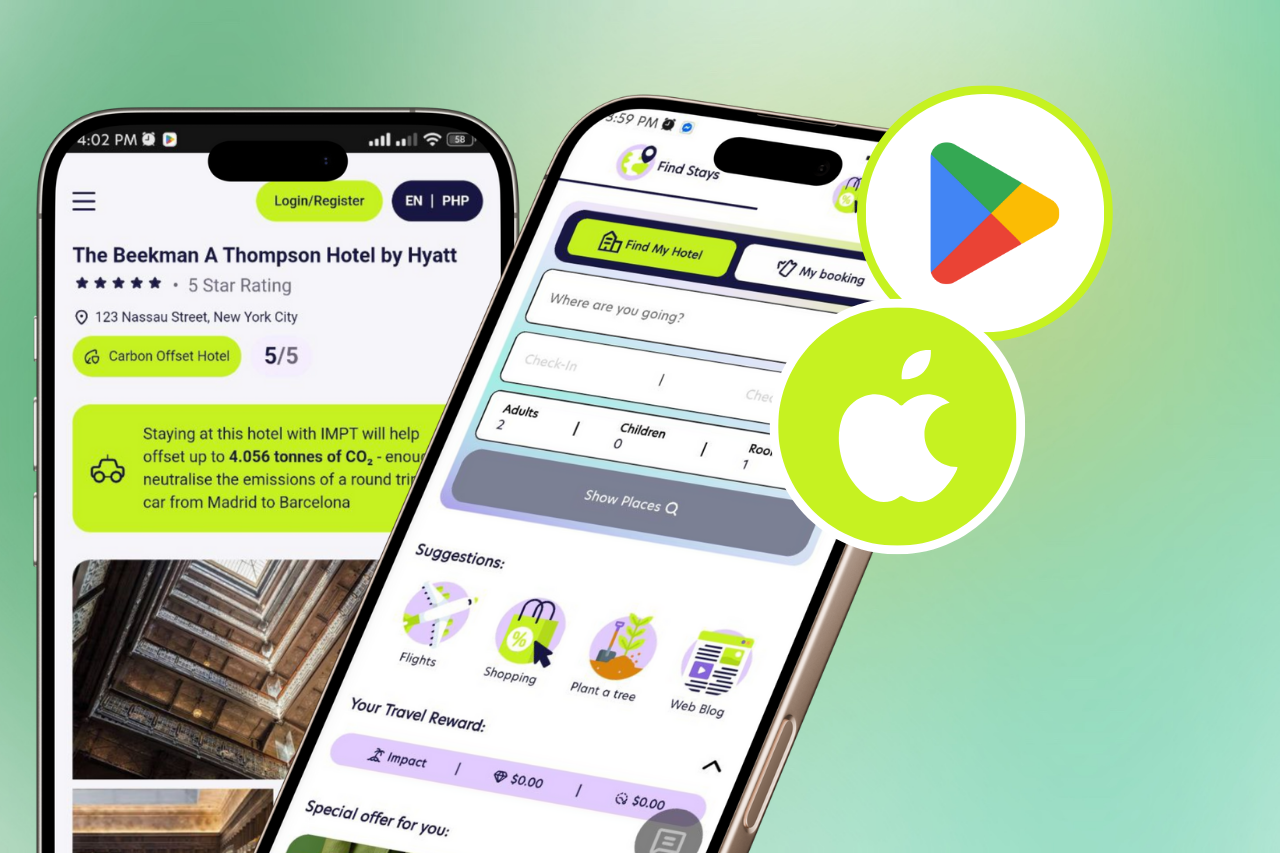
Book your accommodation through impt.io and earn approximately 5% back as on-chain carbon credits on every reservation — automatically retired in your name. For a resort visit that’s built around being in a mountain environment, choosing a booking platform that actively contributes to carbon retirement is a choice that feels consistent with the values that drive most riders toward places like this in the first place.
Search hotels across all Courchevel villages at IMPT
Conclusion
Courchevel is a mountain biking destination that deserves reassessment. The luxury resort reputation sits alongside serious terrain, a genuine bike park, and the Col de la Loze connection that makes cross-resort riding into one of the Alps’ best day trips. Don’t let the brand get in the way of the trails.
Start your search for accommodation at IMPT and build your Courchevel MTB trip on a foundation that gives something back to the mountain environment you’re coming to ride.