IMPT.IO · 12 stays live

Part of: Norway Summer 2026 Guide →

Eco-Hotels in Oslo.

A curated list of Oslo's most sustainable stays — Norway's capital, where hydroelectric baseload meets EV-everywhere transport.

12 hotels 1 ton CO₂ removed per booking 100% UN-verified
Find your Oslo eco-stay →

Same price as direct · 1 ton CO₂ removed per booking

Oslo runs on essentially clean electricity — Norway's grid is over 98% renewable thanks to Alpine hydropower — and the city has used that advantage to push aggressively on transport-emissions reduction. Oslo's car fleet is the world's most EV-saturated (over 90% of new car sales are electric), the bus and tram fleets are progressively electrifying, and the central districts have been largely pedestrianised through the Bilfritt Sentrum programme. Hotels here have been pulled into the Nordic Swan Ecolabel framework, which is one of the world's most demanding hotel sustainability certifications.

Every reservation below removes one ton of UN-verified CO₂ through IMPT's offset programme — paid from our commission, never added to your bill. The list spans the central Sentrum near Karl Johans gate, the Aker Brygge waterfront, Grünerløkka's hip restaurant quarter, the Frogner upscale district, and a couple of well-connected stays near Oslo S (Central Station) for direct train arrivals.

Top 12 eco-hotels in Oslo

Uymaz Hotell — eco-hotel in Oslo #1

Uymaz Hotell

★★★★★

A Sentrum boutique near Karl Johans gate and the Royal Palace. The property holds the Nordic Swan Ecolabel — one of the world's most demanding hotel sustainability certifications — and operates on Norway's 98% renewable electricity grid. The kitchen runs a tight Norwegian supplier list with strong emphasis on Lofoten cod and Arctic king crab.

Carbon-balanced Check →
Sommerro — eco-hotel in Oslo #2

Sommerro

★★★★★

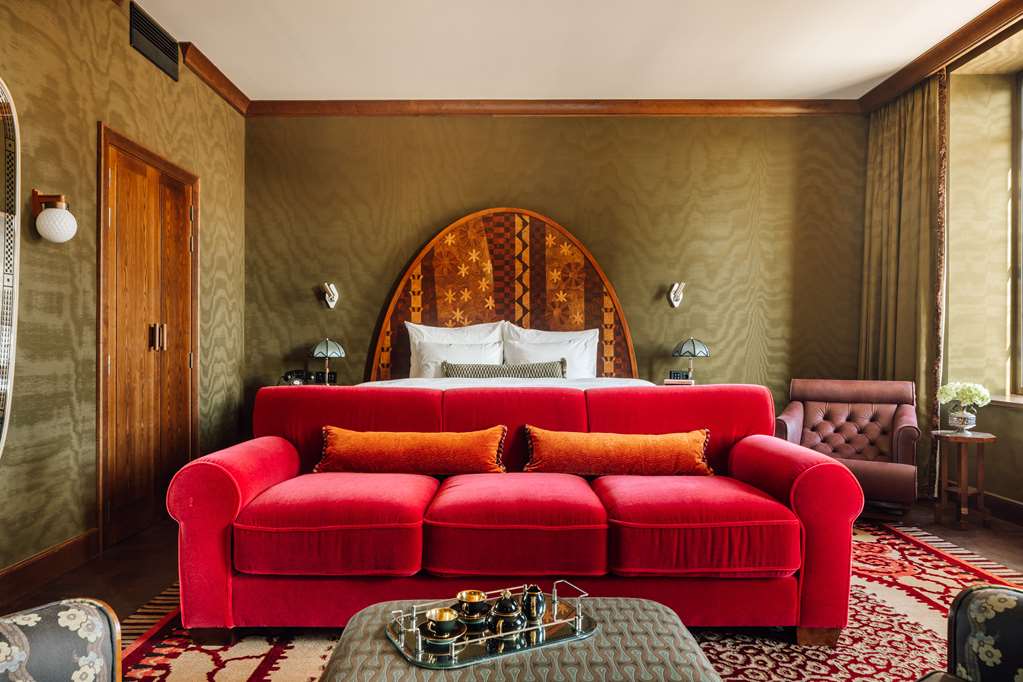
Aker Brygge waterfront stay with views toward the Oslofjord and the Astrup Fearnley Museum. Refillable amenity dispensers throughout, single-use plastics phased out, and a strong waste-segregation programme.

Carbon-balanced Check →
Thon Triaden — eco-hotel in Oslo #3

Thon Triaden

★★★★★

Grünerløkka boutique in the hip restaurant district along Akerselva river. The hotel partners with the Oslo Fjord Conservation NGO and uses native-plant landscaping that supports urban biodiversity.

Carbon-balanced Check →
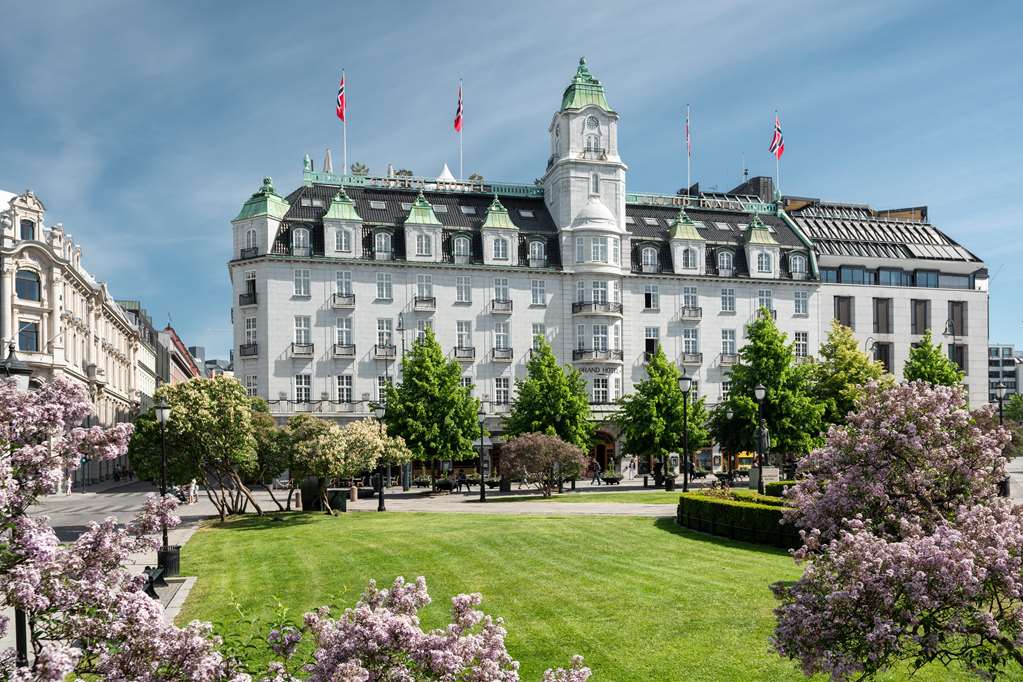
Grand Hotel Oslo — eco-hotel in Oslo #4

Grand Hotel Oslo

★★★★★

Modern build near Oslo S Central Station, useful for direct rail to Bergen, Trondheim, Stavanger and direct connections to Stockholm and Copenhagen via the new Scandinavian rail network. The building was designed to high Norwegian TEK17 thermal-performance standards.

Carbon-balanced Check →
Hotel Continental — eco-hotel in Oslo #5

Hotel Continental

★★★★★

Compact Frogner stay near Vigeland Park, popular with longer business visits. The owner has invested in heat-pump heating, LED throughout, and switched to certified-renewable electricity through a Norwegian green-energy supplier.

Carbon-balanced Check →
The Thief — eco-hotel in Oslo #6

The Thief

★★★★★

Sister property in St. Hanshaugen, useful for both park access and easy tram to the centre. The building benefits from a recent thermal retrofit.

Carbon-balanced Check →
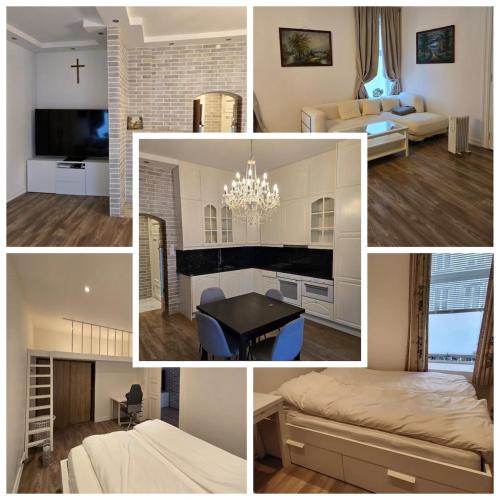
Hotel suite apartment — eco-hotel in Oslo #7

Hotel suite apartment

★★★★

Sister property in Tjuvholmen near the Aker Brygge waterfront, useful for the Astrup Fearnley museum and Akershus Fortress. The hotel holds a Nordic Swan Ecolabel and reports detailed sustainability metrics annually.

Carbon-balanced Check →
H21D Central Cozy Spacious Suits family 3 bedrooms — eco-hotel in Oslo #8

H21D Central Cozy Spacious Suits family 3 bedrooms

★★★★

Modern hotel near Bjørvika in the new opera-house district, useful for both Munch Museum visits and the new Deichman library. The building runs on a high-efficiency district-heat connection.

Carbon-balanced Check →
Hallingstua — eco-hotel in Oslo #9

Hallingstua

★★★★

Quieter Majorstuen stay near the metro interchange, popular with longer business and academic visits. Compostable amenities throughout, organic Norwegian toiletries.

Carbon-balanced Check →
Kanalen 3 Tjuvholmen — eco-hotel in Oslo #10

Kanalen 3 Tjuvholmen

★★★★

Modern hotel near Oslo Plaza in the central business district. The property holds an EarthCheck Silver certification and operates demand-controlled HVAC across all guest floors.

Carbon-balanced Check →
Numa Oslo Topp — eco-hotel in Oslo #11

Numa Oslo Topp

★★★★

Compact Gamlebyen family-run boutique in the medieval district. The owner has invested in heat-pump heating, solar thermal, and an active partnership with the Oslofjord conservation programme.

Carbon-balanced Check →
Numa Oslo Topp — eco-hotel in Oslo #12

Numa Oslo Topp

★★★★

Conference-friendly hotel near Oslo Spektrum, with high-efficiency cooling, district-heat connection, and a strong recycling programme.

Carbon-balanced Check →

Why choose eco-travel in Oslo?

Oslo runs in one of the world's cleanest sustainability frames — Norway's grid is over 98% renewable thanks to Alpine hydropower, the city's car fleet is the world's most EV-saturated (90%+ of new sales), and the central Sentrum is largely car-free through the Bilfritt Sentrum policy. The Nordic Swan Ecolabel — one of the world's most demanding hotel certifications — is widely held by central hotels. The Oslofjord and Akerselva river ecosystems give local hotels formal conservation partnership opportunities. IMPT layers a verified 1-ton CO₂ removal on every booking at no extra cost.

Frequently asked questions

What makes a hotel in Oslo 'eco-certified'?

Most certified Oslo hotels hold the Nordic Swan Ecolabel (Svanen) — one of the world's most demanding hotel sustainability certifications, with criteria covering energy, water, waste, sourcing, chemical use and staff training. Many also hold Green Key, EarthCheck, or the Norwegian 'Miljøfyrtårn' (Eco-Lighthouse) certification. IMPT adds a verified 1-ton CO₂ offset to every booking.

Are eco-hotels in Oslo more expensive?

Oslo overall is expensive (high wages, Norwegian VAT, imports for most non-fish/lamb foods) — but IMPT bookings cost the same as direct. The CO₂ removal is paid from IMPT's commission. Rates spike around the Christmas-New Year holidays, the Nobel Peace Prize ceremony (December), and major Holmenkollen ski events (March) — that's demand-driven.

When is the best time to visit Oslo for an eco-friendly trip?

May-June and August-September are ideal — long daylight, mild weather, lower hotel heating demand. June-July is the midnight-sun and high-season period. November-February is dark and cold with the highest heating loads but the lowest rates. The Holmenkollen ski season (December-March) is busy but spectacular.

How do I get around Oslo without a car?

Oslo's T-bane metro (5 lines), tram (6 lines), bus and ferry network is dense and progressively electrifying. A 24h, 7-day or 30-day Ruter ticket covers all modes including the Oslo airport express bus. The central Sentrum is car-free and walkable. Oslo Bysykkel bike-share has stations across the central districts.

Can I take the train from Oslo on a low-carbon trip to Bergen, Stockholm or Copenhagen?

Yes — the Bergensbanen rail line to Bergen is one of Europe's most scenic train rides (6h45 through high mountain terrain). Direct trains reach Stockholm in 6h via Charlottenberg or Copenhagen in 8h. Per passenger, these trains emit roughly 1/10th the CO₂ of a short-haul flight.

Plan a Oslo stay that gives back

Same price as direct booking. No hidden fees. Every reservation removes one UN-verified ton of CO₂ — paid from our commission, never added to your bill.

Search 12 eco-hotels in Oslo →