SUMMER 2026 · 6 destinations

Finnish Summer in Finland.

1.5 million lakes, 188,000 islands and 2 million saunas — six Finnish destinations where summer 2026 can be both unforgettable and carbon-balanced.

6 destinations 1 ton CO₂ removed per booking 100% UN-verified
Find your Finland eco-stay →

Same price as direct · 1 ton CO₂ removed per booking

Finland runs on more than 50% renewable electricity — hydropower in the east, biomass from the forest industry, wind on the Gulf of Bothnia, and a strong nuclear baseload that keeps the grid stable through the winter. VR, the national rail operator, runs all long-distance trains on certified renewable electricity, and Helsinki has been a global leader in district heating from renewables. The country has more forest per capita than anywhere else in the EU (75% forest cover), and the constitutional right of jokamiehenoikeus (every-person's right) gives travellers free access to roam, swim, forage and camp across that land. Few countries are this structurally set up for low-impact summer travel.

Every reservation below removes one verified tonne of CO₂ through IMPT's offset programme — paid from our commission, never added to your bill. The six destinations span the capital and the southern cities (Helsinki, Turku, Tampere), the Saimaa lake district (Savonlinna), the Gulf of Bothnia (Oulu) and Arctic Lapland (Rovaniemi) — each picked for rail access and certification depth as much as for character.

Top 6 eco destinations in Finland

Helsinki eco-travel in Finland #1
Uusimaa

Helsinki

Finland's capital, built across a peninsula and a string of islands at the head of the Gulf of Finland — the UNESCO-listed Suomenlinna sea fortress is 15 minutes by ferry from Market Square, the Senate Square is pure neoclassical Empire architecture, and the new Oodi central library is one of the most celebrated public buildings of the decade. Helsinki runs the world's largest urban heat-pump network (Esplanadi underground plant), the tram network is fossil-free, and most central hotels run Nordic Swan or Green Key certification.

Highlights: Suomenlinna sea fortress (UNESCO) · Senate Square & Helsinki Cathedral · Oodi central library · Esplanadi & Market Square

Best: May–Sep Browse stays →
Rovaniemi eco-travel in Finland #2
Lapland

Rovaniemi

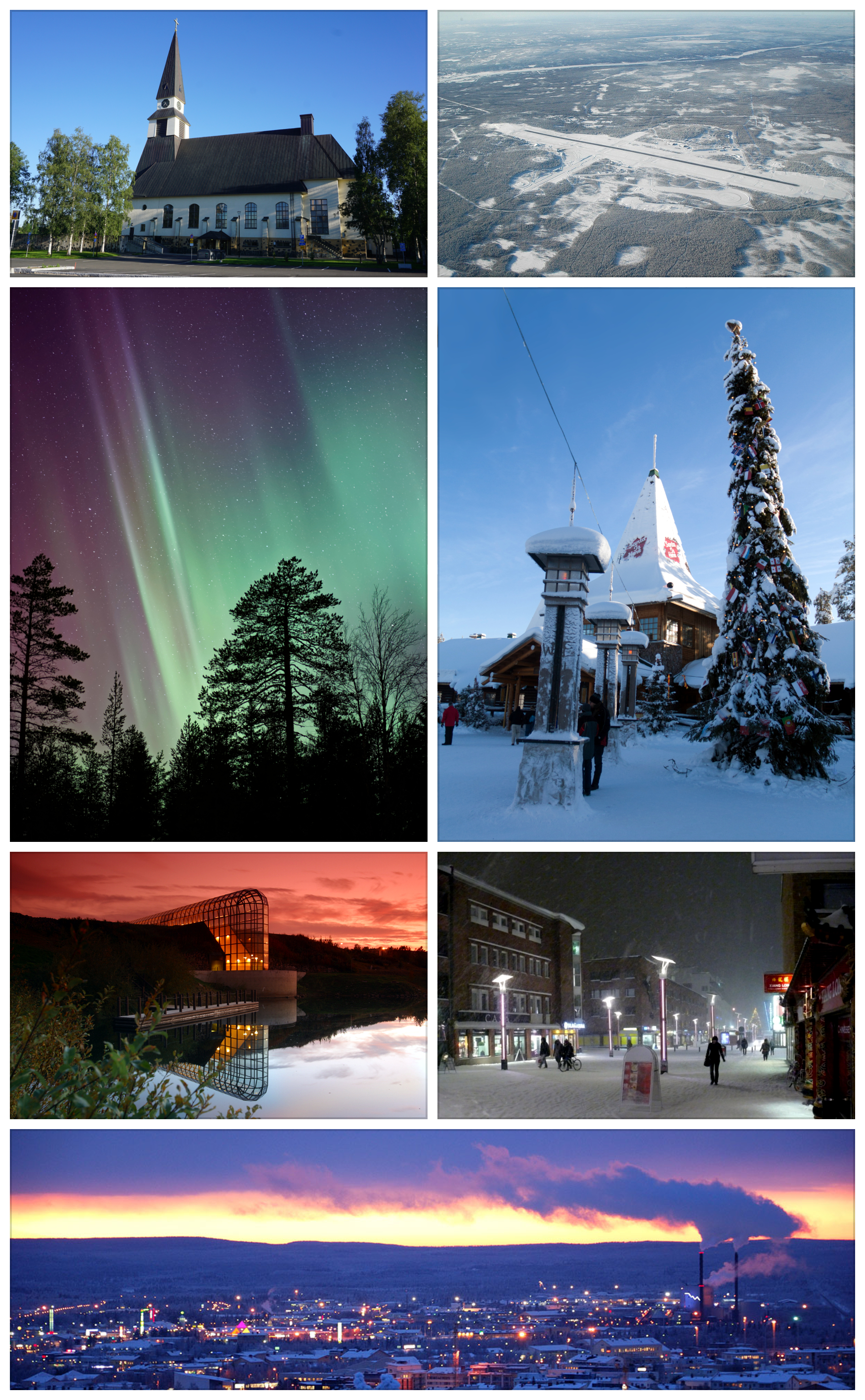
The administrative capital of Finnish Lapland, straddling the Arctic Circle and rebuilt by Alvar Aalto after the Second World War in the shape of a reindeer's antlers. Rovaniemi is famous as the official hometown of Santa Claus, but in summer it becomes a midnight-sun base camp — 24-hour daylight from early June to early July, river rafting on the Kemijoki, and direct VR night-train sleepers from Helsinki. The Arktikum and Pilke science museums anchor the city centre.

Highlights: Santa Claus Village & Arctic Circle line · Arktikum science museum · Midnight sun (early Jun–early Jul) · Kemijoki river rafting

Best: Year-round Browse stays →
Turku eco-travel in Finland #3
SW

Turku

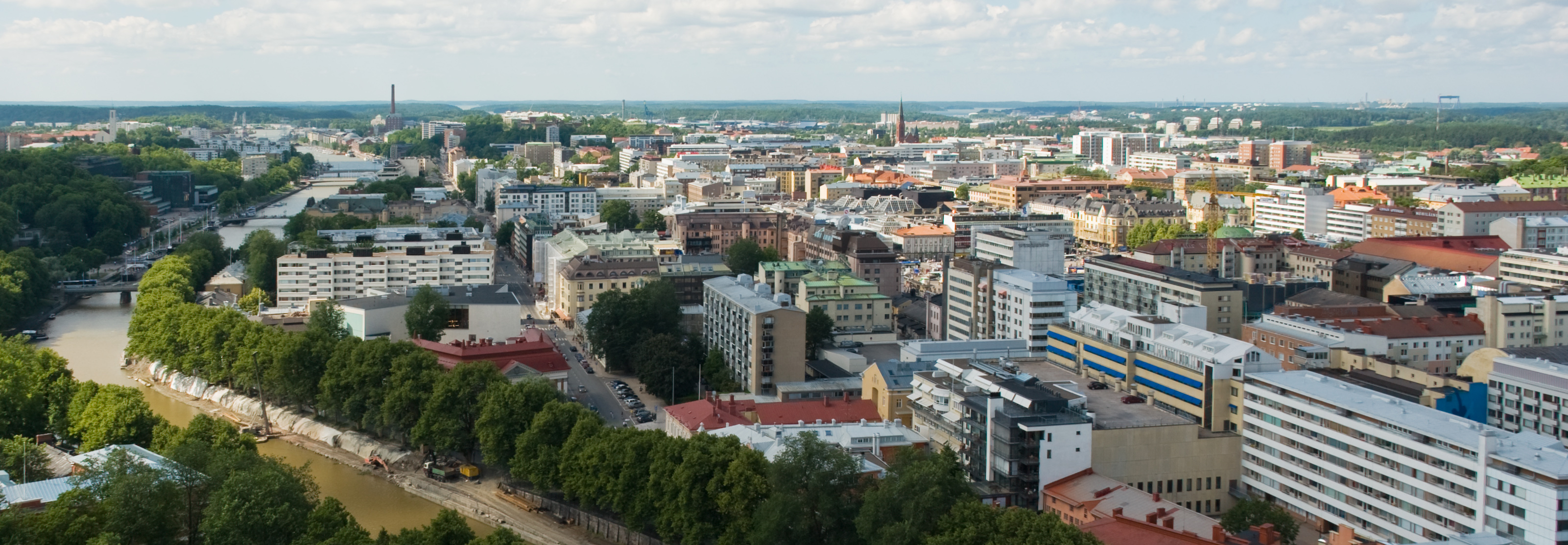
Finland's oldest city and the country's medieval capital — a 13th-century cathedral, a stone castle at the river mouth, and a riverside cafe scene along the Aura that runs the length of the centre. Turku is the gateway to the Archipelago Sea, the largest archipelago in the world by island count (over 20,000), reachable by the Archipelago Trail (250-km cycling and ferry-hopping route) that is one of Europe's classic low-impact summer routes. The Tall Ships Race anchors here in July.

Highlights: Turku Castle · Archipelago Trail (cycling + ferries) · Turku Cathedral · Aura riverside cafés

Best: May–Sep Browse stays →
Tampere eco-travel in Finland #4
Pirkanmaa

Tampere

Finland's third city, set on an isthmus between two lakes (Näsijärvi and Pyhäjärvi) connected by the Tammerkoski rapids — a 19th-century mill town that has converted its red-brick factories into the Finlayson and Tampella cultural quarters. Tampere opened the country's first modern tram line in 2021 (fully fossil-free) and has the most public saunas per capita in Finland (over 30, including the world's oldest still-operating Rajaportti). Use it as the base for Lake Näsijärvi cruises to Murole and Virrat.

Highlights: Tammerkoski rapids & Finlayson quarter · Rajaportti sauna (oldest in Finland) · Pyynikki ridge & observation tower · Moomin Museum

Best: May–Sep Browse stays →
Savonlinna eco-travel in Finland #5
Saimaa

Savonlinna

The cultural heart of the Saimaa lake district — the largest lake in Finland and the fourth largest in Europe — with the medieval Olavinlinna castle on an island in the middle of town. The Savonlinna Opera Festival runs through July inside the castle courtyard, the lake's saimaannorppa (the endemic ringed seal, fewer than 450 left) lives in the surrounding waters, and the Punkaharju ridge is one of Finland's official national landscapes. Reachable by direct VR train from Helsinki.

Highlights: Olavinlinna castle · Savonlinna Opera Festival (Jul) · Lake Saimaa cruises · Punkaharju ridge

Best: Jun–Aug Browse stays →
Oulu eco-travel in Finland #6
North

Oulu

The largest city in northern Finland and the European Capital of Culture for 2026 — set at the mouth of the Oulujoki on the Gulf of Bothnia, with a cycling network so dense that residents bike all winter (the city is the model for year-round Nordic cycling infrastructure). Summer brings 22 hours of daylight, the Pikisaari old quarter is a row of preserved wooden houses, and the offshore island of Hailuoto is a Sámi-style ferry hop. The Air Guitar World Championships happen here in August.

Highlights: European Capital of Culture 2026 · Pikisaari old wooden quarter · Hailuoto island ferry · Nallikari beach & marketplace

Best: Jun–Aug Browse stays →

Why summer eco-travel in Finland?

Finland sits at the structural intersection of a more-than-50% renewable grid (hydropower, biomass, wind and nuclear baseload), VR's all-renewable long-distance rail network, and the constitutional right of jokamiehenoikeus that gives travellers free legal access to roam, swim, forage and one-night camp on the 75% of the country that is forest. The Helsinki district-heating heat-pump rebuild, the all-renewable tram lines in Tampere and Helsinki, and a UNESCO portfolio (Suomenlinna, Verla, Rauma Old Town, Kvarken archipelago) span fortress, industrial and natural heritage. IMPT layers a UN-verified 1-ton CO₂ removal on every booking — at no extra cost, paid from our commission.

Frequently asked questions

When is the best time to visit Finland for a sustainable summer?

Mid-June to early August for full warmth, lake-swimming temperatures and the national juhannus (midsummer) celebration around 20 June — the year's biggest holiday. Late May and late August are quieter and cheaper while still offering long days. Lapland's prime window is mid-June to early August for the midnight sun.

Is the midnight sun real in Finland, and where do I see it?

Yes — above the Arctic Circle (66°33′N, just north of Rovaniemi) the sun does not set for at least one day each summer. In Rovaniemi the sun stays up from roughly 6 June to 7 July; in Utsjoki at the country's northern tip from 17 May to 27 July. Below the Arctic Circle (Helsinki, Turku, Tampere) the sun dips briefly but nights stay light enough to read outdoors.

How do I travel around Finland without flying?

VR (Valtionrautatiet) runs the national rail network on certified renewable electricity — Pendolino high-speed trains from Helsinki to Turku, Tampere and Oulu, plus the famous Santa Claus Express night-sleeper from Helsinki to Rovaniemi (loaded onto the train with your car if you want). Per passenger, a VR leg emits roughly 95% less CO₂ than the equivalent domestic flight.

What is sauna culture, and is it expected for visitors?

Finland has roughly 2 million saunas for a population of 5.5 million — they are a household standard, not a luxury. Most hotels include a sauna in the room rate, and the etiquette is straightforward: rinse first, towel-sit, no swimwear in single-sex saunas, no swimwear (and no phones) in mixed-sex private saunas. Public saunas (Löyly in Helsinki, Rajaportti in Tampere) allow swimwear.

Are eco-hotels in Finland more expensive than regular hotels?

No — booking through IMPT costs the same as booking direct, with the carbon removal paid from our commission. Finnish hotel rates are moderate by Nordic standards, and Nordic Swan or Green Key certification is the industry baseline rather than a premium tier.

How does IMPT make a Finnish hotel booking carbon-neutral?

Every reservation triggers a verified one-tonne CO₂ removal — UN-certified, paid from our commission. The offset comes from a portfolio of reforestation and renewable-energy projects, and is enough to fully balance a typical short-haul flight to Helsinki plus a 4-night stay. See how we carbon-balance every stay.

Plan a Finland summer that gives back

Same price as direct booking. No hidden fees. Every reservation removes one UN-verified ton of CO₂ — paid from our commission, never added to your bill.

Search 6 Finland destinations →