SUMMER 2026 · 7 destinations

Swedish Summer in Sweden.

The longest archipelago coast in Europe, a medieval Hanseatic town frozen in time and a Lapland that gets 24-hour daylight in midsummer — seven Swedish destinations where summer 2026 can be both unforgettable and carbon-balanced.

7 destinations 1 ton CO₂ removed per booking 100% UN-verified
Find your Sweden eco-stay →

Same price as direct · 1 ton CO₂ removed per booking

Sweden runs on more than 60% renewable electricity — hydropower in the north, wind on the south coast and the Baltic, biomass for district heating in every town and a residual nuclear baseload that keeps the grid stable when the wind drops. SJ, the national rail operator, runs the entire network on certified renewable electricity, and the Stockholm metro has been fossil-free for over a decade. Add the constitutional right of allemansrätten (the right to roam and wild-camp on any uncultivated land) and Sweden offers a structurally low-impact way to travel that few other countries can match.

Every reservation below removes one verified tonne of CO₂ through IMPT's offset programme — paid from our commission, never added to your bill. The seven destinations span the capital and the southern cities (Stockholm, Gothenburg, Malmö), the UNESCO-listed Hanseatic island of Gotland (Visby), the university towns (Uppsala, Lund) and the Arctic mining city of Kiruna — each picked for rail access and certification depth as much as for character.

Top 7 eco destinations in Sweden

Stockholm eco-travel in Sweden #1
Stockholm

Stockholm

A capital built across 14 islands and connected by 57 bridges — Gamla Stan (the medieval old town), Södermalm (the design quarter), Östermalm (the embassies and the Royal Library) and Djurgården (the museum island with Skansen, Vasa and ABBA). The metro is fossil-free, the commuter ferries are diesel-electric hybrids, and most central hotels run Nordic Swan certification. The archipelago of 30,000 islands begins a 20-minute boat ride east of the centre.

Highlights: Gamla Stan old town · Vasa Museum & Djurgården · Stockholm archipelago day-trip · Fotografiska photography museum

Best: May–Sep Browse stays →
Gothenburg eco-travel in Sweden #2
West

Gothenburg

Sweden's second city and the country's sustainability poster child — ranked the world's most sustainable destination by GDS-Index for several years running, with electric trams, the largest cluster of certified meeting venues in Europe and a waterfront being rebuilt around walking and cycling. The Liseberg amusement park runs on renewables, the Universeum aquarium is net-zero, and the western archipelago (Styrsö, Brännö, Vrångö) is a 30-minute fossil-free ferry ride from the centre.

Highlights: Haga old quarter & fika scene · Liseberg amusement park · Western archipelago ferries · Universeum & Maritime Museum

Best: May–Sep Browse stays →
Malmö eco-travel in Sweden #3
South

Malmö

Sweden's third city and one of Europe's leading examples of urban regeneration — the Western Harbour (Västra Hamnen) is a carbon-neutral district running on 100% local renewables, and the Turning Torso is a HSB-built landmark above it. Malmö is 35 minutes from Copenhagen across the Øresund Bridge, has the highest cycling share in Sweden after Lund, and Ribersborg's open-air baths run all summer. Base here for southern Skåne, Ystad and the Falsterbo peninsula.

Highlights: Western Harbour eco-district · Turning Torso & Ribersborg beach · Lilla Torg & Old Town · Copenhagen day-trip

Best: May–Sep Browse stays →
Visby eco-travel in Sweden #4
Gotland

Visby

A medieval Hanseatic town on the island of Gotland — a UNESCO site enclosed by a 3.4-km defensive wall that has stood since the 13th century, with church ruins, rose-draped cottages and the cobbled Stora Torget at its heart. Gotland is the most renewable island in the Baltic (the wind farms north of Visby supply more than the island consumes in summer) and a 3-hour Destination Gotland ferry from Nynäshamn or Oskarshamn on the mainland. The Medieval Week in early August is a serious draw.

Highlights: Visby ring wall (UNESCO) · Stora Torget & St Mary's Cathedral · Gotland beaches & rauks · Medieval Week (early Aug)

Best: Jun–Aug Browse stays →
Uppsala eco-travel in Sweden #5
East

Uppsala

Sweden's oldest university town and the ecclesiastical seat of the country — the Gothic cathedral is the tallest in Scandinavia, the botanical garden was founded by Linnaeus, and the Carolina Rediviva library holds the Silver Bible. Uppsala is a 40-minute train ride from Stockholm and a candidate for European Green Capital, with a cycling share above 35% and a fully fossil-free public bus fleet. Use it as a quieter base than the capital for the archipelago and Gamla Uppsala burial mounds.

Highlights: Uppsala Cathedral · Linnaeus Botanical Garden · Gamla Uppsala royal mounds · Carolina Rediviva library

Best: May–Sep Browse stays →
Lund eco-travel in Sweden #6
South

Lund

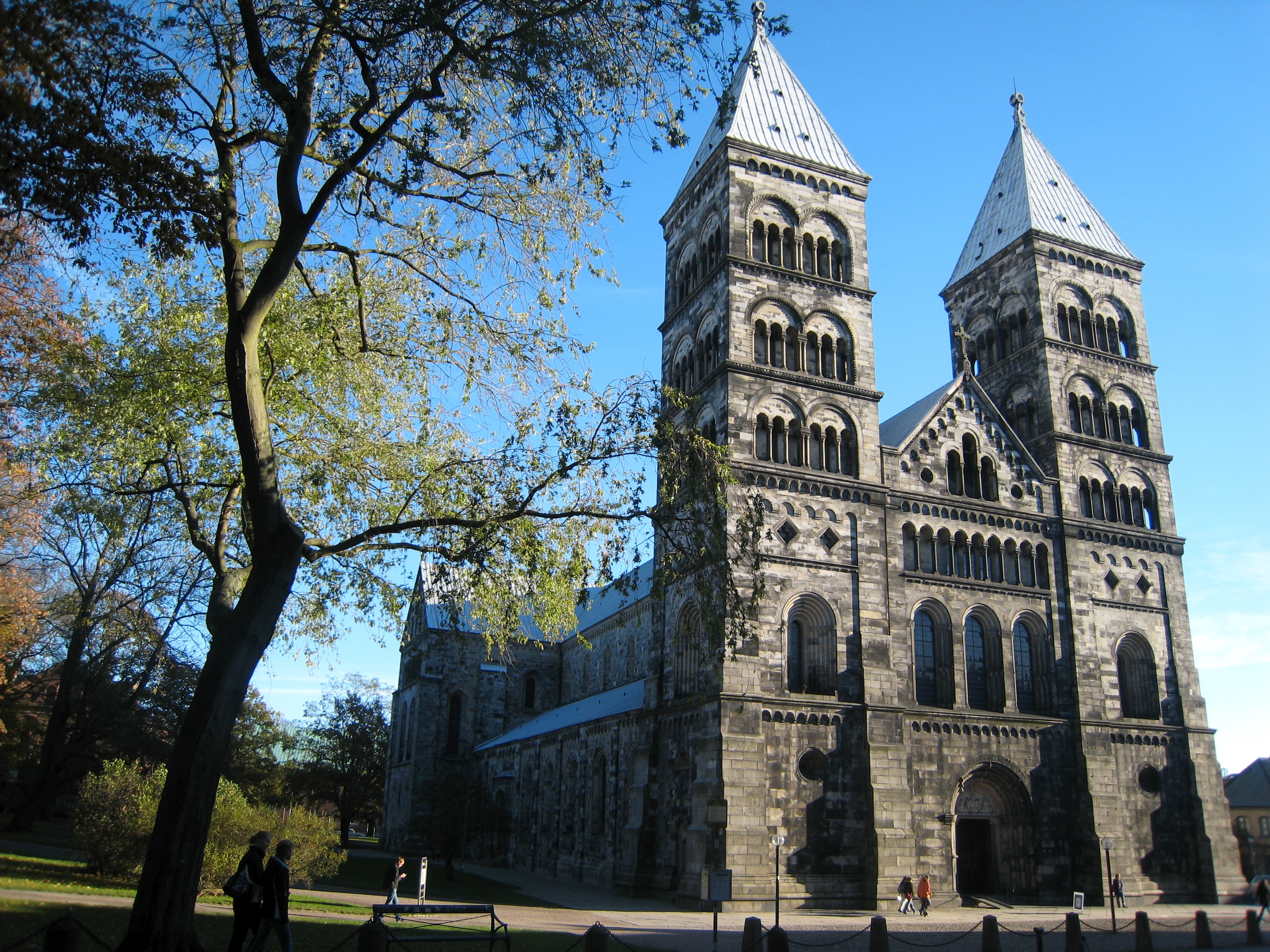
Sweden's second-oldest university town and the southern counterpart to Uppsala — a Romanesque cathedral with an astronomical clock that strikes at noon, cobbled lanes, and the world-class MAX IV synchrotron and ESS research facilities on the edge of the city. Lund has the highest cycling share of any Swedish city (over 45% of all trips) and is a 12-minute train hop from Malmö. The Kulturen open-air museum is one of the oldest in Europe.

Highlights: Lund Cathedral & astronomical clock · Kulturen open-air museum · Botanical garden · Lundagård university quad

Best: May–Sep Browse stays →
Kiruna eco-travel in Sweden #7
North

Kiruna

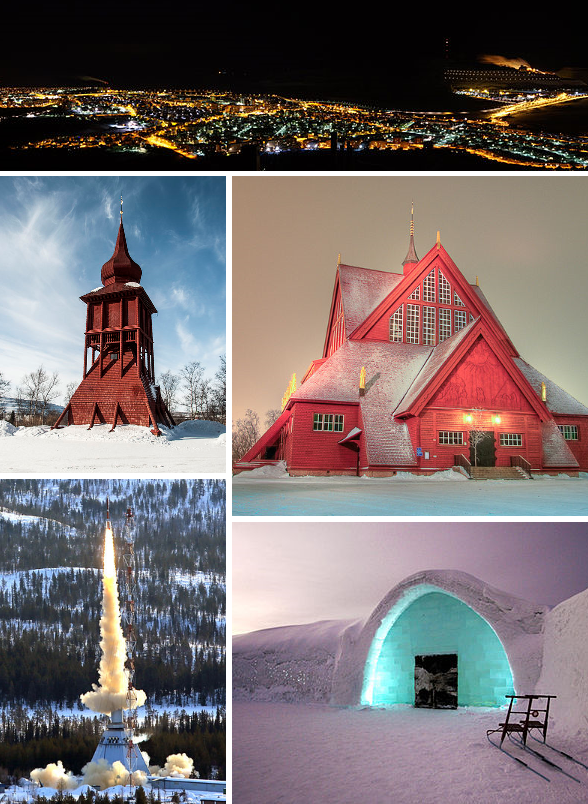
Sweden's northernmost city — and the only one being physically moved building by building to escape the LKAB iron-ore mine subsidence beneath it. Kiruna is 200 km above the Arctic Circle, midsummer is 24-hour daylight, and the famous ICEHOTEL in Jukkasjärvi has a permanent year-round wing kept frozen by solar power in summer (a world first). Use Kiruna as the gateway to Abisko National Park and the Kungsleden trail, both reached by Vy Tåg's electric night train from Stockholm.

Highlights: ICEHOTEL Jukkasjärvi · Abisko National Park · Midnight sun (late May–mid Jul) · Kungsleden trail (Sweden's classic hike)

Best: Jun–Aug Browse stays →

Why summer eco-travel in Sweden?

Sweden sits at the structural intersection of a more-than-60% renewable grid (hydropower, wind, biomass and nuclear baseload), the world's first national rail network running entirely on certified renewable electricity (SJ AB), and a constitutional right-to-roam (allemansrätten) that gives travellers legal access to the countryside without infrastructure being built to support them. Add Nordic Swan and Green Key as the certification baseline rather than the premium tier, electric public transport across every major city, and a UNESCO portfolio (Visby, Drottningholm, Birka, Laponia) that spans Hanseatic, royal and Sámi heritage. IMPT layers a UN-verified 1-ton CO₂ removal on every booking — at no extra cost, paid from our commission.

Frequently asked questions

When is the best time to visit Sweden for a sustainable summer?

June and early July for full midsummer daylight (and the national midsommar festival around 21 June, the country's biggest holiday after Christmas); late August into early September for the same warmth at lower hotel prices and less competition for archipelago boats. Lapland's prime window is mid-June to mid-August.

How do I travel around Sweden without flying?

SJ (Statens Järnvägar) runs the national rail network on certified renewable electricity — the X 2000 high-speed between Stockholm, Gothenburg and Malmö, plus night trains from Stockholm to Narvik (via Kiruna) and Hamburg. Per passenger, an SJ leg emits 90% less CO₂ than the equivalent domestic flight, with city-centre arrival on both ends.

What is allemansrätten and how does it work for travellers?

Allemansrätten is the constitutional right to roam and camp on any uncultivated land in Sweden as long as you stay away from houses and leave no trace — it covers hiking, foraging, swimming, kayaking and one-night wild-camping. It is one of the reasons Sweden has been able to develop world-class outdoor tourism without the heavy infrastructure footprint other countries need.

Are eco-hotels in Sweden more expensive than regular hotels?

No — booking through IMPT costs the same as booking direct, with the carbon removal paid from our commission. Swedish hotel rates are moderate by Nordic standards, and Nordic Swan or Green Key certification is the industry baseline rather than a premium tier.

Which Swedish destination is best for first-time visitors?

Stockholm plus the archipelago is the classic three- or four-day pairing — the capital, then an hour by ferry to Vaxholm, Sandhamn or Grinda for a night or two on an island. Add Gothenburg or Malmö by SJ high-speed train for a contrasting second city, or fly the night train to Kiruna for a Lapland leg.

How does IMPT make a Swedish hotel booking carbon-neutral?

Every reservation triggers a verified one-tonne CO₂ removal — UN-certified, paid from our commission. The offset comes from a portfolio of reforestation and renewable-energy projects, and is enough to fully balance a typical short-haul flight to Stockholm plus a 4-night stay. See how we carbon-balance every stay.

Plan a Sweden summer that gives back

Same price as direct booking. No hidden fees. Every reservation removes one UN-verified ton of CO₂ — paid from our commission, never added to your bill.

Search 7 Sweden destinations →