
How to Tell a Real Carbon Project From a Bad One
Climate-Positive Shopping
🌱
Earn carbon credits on every euro you spend
Same prices as direct · 25,000+ partnered stores.
A cheap carbon credit isn’t a good deal. It usually means corners were cut.
Dear IMPT Family,
Carbon credits trade on trust. You buy a credit from someone. You retire it. You assume it represents a real tonne of CO₂ removed or avoided somewhere on Earth. But if that assumption is wrong — if the project is fake, exaggerated, or inherently doomed — your money did nothing.
This happens. A lot. The carbon market is less regulated than a farmer’s market. Anyone can issue a credit claim. Not everyone should.
Here’s how to actually check.
🔥 Key Highlights 🔥
1️⃣ Legitimate projects carry third-party certification (Verra, Gold Standard, ACR)
2️⃣ Ask: would this project exist without carbon money? If yes, it’s not “additional”
3️⃣ Check the project registry — you can verify every credit issued and retired
4️⃣ Beware projects in high-risk jurisdictions with weak land rights or governance
5️⃣ Real projects publish monitoring data publicly and update it annually
6️⃣ If a carbon credit costs €1, someone cut corners — probably several corners
1️⃣ The Certification Red Flag
A legitimate carbon credit comes with a third-party standard certification. The most common are Verra (formerly VCS), Gold Standard, and ACR (American Carbon Registry). Others include Plan Vivo (community-focused) and Class (focusing on technology solutions).
These bodies have one job: ask hard questions before issuing a credit.
- Would this project have happened without carbon revenue? (Additionality)
- Is the carbon reduction/removal real and measurable? (Methodology)
- Are the credits issued correctly and retired responsibly? (Registry)
- Have independent auditors verified the claims? (Audit)
Projects that don’t carry one of these certifications are gambling. Some are legitimate but just young. Many are quietly abandoned when they don’t generate enough credits.
2️⃣ The Additionality Trap
Here’s the most common scam: a renewable energy project that would have been built anyway. The law required it. Investors were funding it. But someone still issued carbon credits as if the carbon reduction was a bonus.
It wasn’t. Those credits are worthless — they claim credit for something that was going to happen regardless.
A good project can answer this clearly: What changed because of carbon funding? A wind farm that wouldn’t have been financed without carbon revenue—additive. A wind farm that the government was building as part of a green energy mandate — not additive.
The same logic applies to forest conservation. Is a protected area staying protected because it generates carbon credits? Or was it always going to be protected, and the credits are just skimmed profit?
Good standard bodies dig into this. Bad ones don’t.
3️⃣ The Registry Check
Every carbon credit has a serial number. It’s issued by a project, verified by a standard body, and recorded in a public registry. Verra, Gold Standard, ACR — they all maintain them.
Before you buy a credit (or a product that claims to offset with credits), you can check the registry. Is the credit real? Has it been retired? When? By whom?
This takes 5 minutes. Most people don’t do it. Some credit sellers are counting on that.
If someone’s selling you a carbon credit and the registry shows it doesn’t exist or it’s already been retired by someone else, you’ve found a problem. A big one.
4️⃣ The Jurisdiction Risk
Carbon projects exist everywhere: Kenya, Indonesia, Brazil, Ukraine, Mongolia. That’s good — emission reductions matter wherever they happen. But it’s not equally good everywhere.
Some countries have weak property rights. If a forest conservation project is in a jurisdiction where land titles aren’t secure, or the government might seize the land, or there’s active conflict, the project is risky. That forest might be protected today and clearcut in 2027 when the government changes.
Some of the cheapest carbon credits come from jurisdictions with high political risk. This isn’t necessarily a scam. But you’re bearing more risk — you’re buying cheaper credits that might not deliver.
This is why community-focused standards like Plan Vivo, which emphasize local land rights and engagement, charge more. They’re pricing in the extra work to make projects actually stick.
5️⃣ The Monitoring Data Test
A good project publishes monitoring reports. Annually. Publicly. You can read what was measured, how, by whom, and what was verified. If a project claims to have sequestered 50,000 tonnes of carbon, there’s documentation. Satellite data. Ground measurements. Independent audits.
If a project’s website is quiet after issuance, or monitoring reports are hard to find, or data is vague, that’s a warning. Carbon removal isn’t a one-time thing. It requires ongoing measurement and reporting.
Browse the Verra or Gold Standard registry. Look at recent projects. The good ones have robust monitoring data published in plain language. The thin ones have vague annual summaries and nothing else.
6️⃣ The Price Reality
Carbon credits issued responsibly, monitored carefully, and verified by a reputable third party cost money. A forest conservation credit from a verified project typically runs €10–30 per tonne. A renewable energy project might be €5–15. A direct air capture credit is €100–300.
If someone’s selling you a carbon credit for €0.50 or €1, something’s been skipped. Verification? Too expensive. Monitoring? Probably not happening. Additionality assessment? Not rigorous.
Cheap credits exist. Many are from projects with high risk. Some are outright fraudulent.
This doesn’t mean all cheap credits are bad — some projects in high-cost countries genuinely can operate cheaply. But the price should correlate with rigor. If it doesn’t, ask why.
7️⃣ What IMPT Does — And What You Should Look For
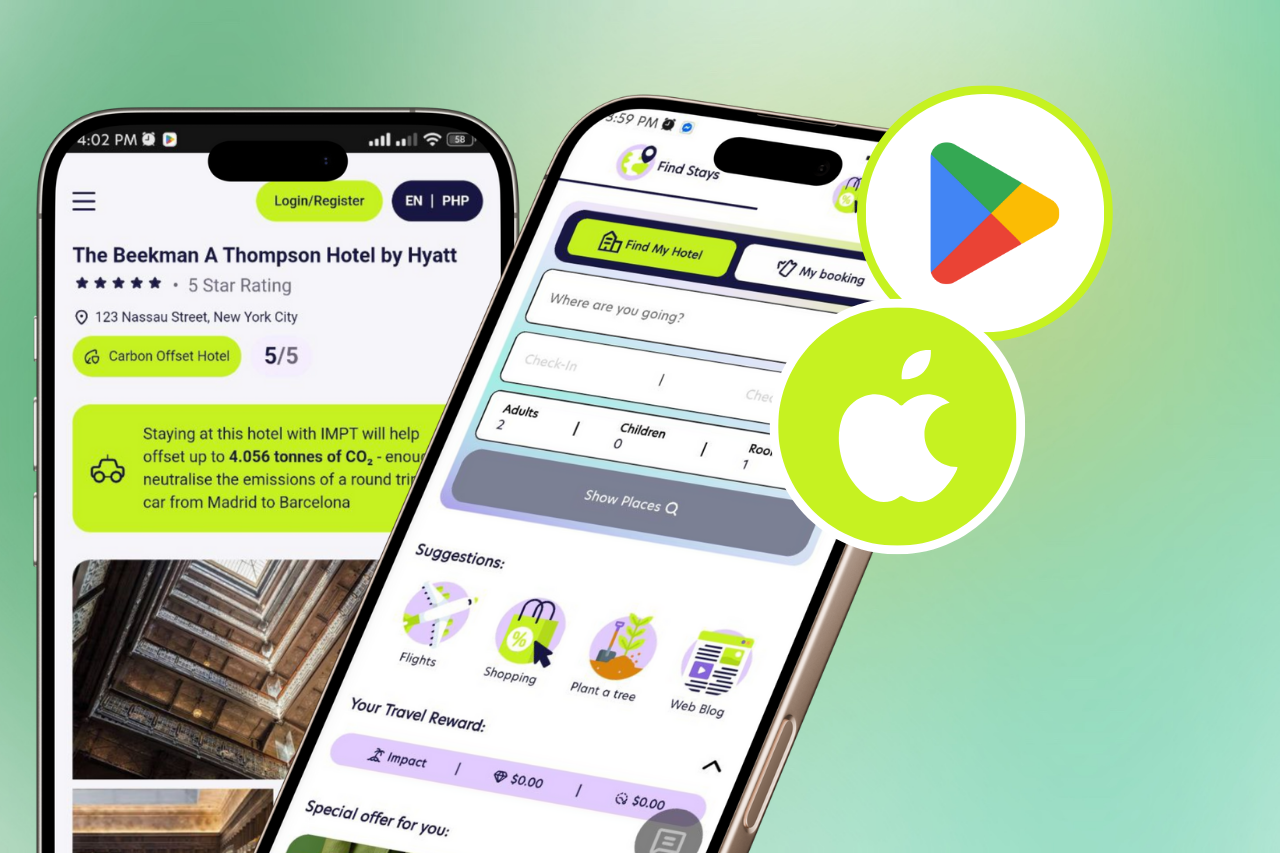
IMPT works only with Verra-certified projects. Every credit is issued, tracked, and retired on-chain so the transaction is transparent and permanent. You can see exactly which project your shopping funded.
But IMPT is also transparent about what it doesn’t do: IMPT doesn’t claim that your shopping is “carbon neutral.” It claims you’re funding real, verified reductions beyond what would have happened anyway.
When you evaluate any carbon project — whether it’s through IMPT or any other platform — ask these five questions:
✔ Is it third-party certified? (Verra, Gold Standard, ACR, Plan Vivo)
✔ Would it exist without carbon revenue? (Additionality)
✔ Can I verify the credit in a public registry?
✔ Is monitoring data published and audited?
✔ Is the price reasonable for the level of rigor?
If you can’t answer yes to all five, skip it.
Looking Ahead — The Market’s Getting Smarter
The voluntary carbon market used to be wild. Minimal oversight. Credits that looked good on a spreadsheet but didn’t represent real reductions. That’s changing. Standards are tightening. Monitoring is more rigorous. Buyers are demanding proof.
But the market is still immature. Bad actors still exist. Your job is to ask hard questions before your money moves.
Let’s keep building — together. 🌍💚