
The Voluntary Carbon Market in Plain English
Climate-Positive Shopping
🌱
Earn carbon credits on every euro you spend
Same prices as direct · 25,000+ partnered stores.
It’s the only climate market where you’re not forced to play. But it’s real money funding real projects.
Dear IMPT Family,
You’ve heard of “carbon markets.” You might have confused it with something crypto-related. Or thought it was a regulatory thing only big companies care about. In fact, there are two completely different markets. And one of them is where your shopping can fund climate action right now.
Let’s separate them. And be honest about what works and what doesn’t.
🔥 Key Highlights 🔥
1️⃣ Compliance market: governments mandate emissions cuts; companies buy credits to meet targets
2️⃣ Voluntary market: individuals and companies choose to buy credits to offset or fund projects
3️⃣ Voluntary market is worth ~€2 billion annually; compliance is ~€50 billion
4️⃣ Voluntary credits trade at 5–20% of compliance prices because they have no legal requirement
5️⃣ 70% of voluntary credits go to avoidance (preventing emissions); 30% to removal
6️⃣ Voluntary buyers include companies (43%), individuals (37%), and financial institutions (20%)
1️⃣ The Two Carbon Markets
Compliance carbon market: The government says: “If you emit 10 million tonnes of CO₂, you’re required to buy 10 million carbon credits and retire them or face penalties.” This is how the EU Emissions Trading System (ETS) works. It’s legally binding. Companies must play. This market is huge — €50+ billion annually — and it’s where the price is highest: €50–150 per tonne in the EU.
Voluntary carbon market: Nobody’s forcing you. You want to offset your flight. You want to fund a forest project. You want to zero out your emissions. You buy a carbon credit and retire it. It costs you money, but it’s your choice. This market is smaller — about €2 billion annually — but it’s where individuals and SMEs play.
2️⃣ Why Prices Are So Different
A compliance carbon credit in the EU costs €80–120. A voluntary carbon credit costs €3–50. Why?
Because in the compliance market, you have to buy them. There’s no choice. If you don’t buy enough credits to cover your emissions, you get fined. Sometimes heavily. This creates massive demand with no option to opt out. Prices reflect that scarcity.
In the voluntary market, you can choose not to play. You can fly without offsetting. You can shop without funding projects. This price elasticity (people will stop buying if it gets too expensive) keeps prices lower.
But it also means the voluntary market is less stable. When a company decides to stop offsetting, demand drops. Credit prices fall. Projects that relied on steady credit revenue face cash flow issues. This is real risk.
3️⃣ Who Buys Voluntary Credits
Companies (43%): Big retailers, airlines, tech firms — they buy voluntary credits to claim “carbon neutral” status, or because their investors or customers demand it. Starbucks, Microsoft, Google all buy voluntary credits.
Individuals (37%): People like you offsetting flights, shopping, or events. You want to feel like you’re doing something. (Whether you should feel that way is a different question.)
Financial institutions (20%): Asset managers, pension funds, and carbon traders buying credits as investments, hedging bets on future compliance market prices or betting on project success.
This mix is important. Individual buyers stabilize demand (consistent even if modest), but they’re relatively small. Corporate buyers are bigger but fickle — they can stop buying when it’s bad PR or their CEO changes.
4️⃣ The Projects Behind the Credits
What actually gets funded by voluntary dollars? Two categories dominate:
Avoidance projects (70%): Preventing emissions. A solar farm replaces coal. A methane leak at a landfill gets captured. A forest stays standing instead of getting logged. Renewable energy projects dominate here because they’re relatively cheap to verify and relatively scalable.
Removal projects (30%): Taking CO₂ out of the air. Tree-planting. Wetland restoration. Direct air capture. These cost more to verify and are slower, so fewer credits come from removal. This is a problem — we’re buying lots of “prevention” credits while not funding enough actual CO₂ removal.
Most voluntary buyers skew toward cheaper avoidance projects (which cost €5–20 per tonne) rather than expensive removal (which costs €20–300). From a climate perspective, this is backwards — we need both, but we especially need removal if we’ve already overshot our carbon budget.
5️⃣ The Criticisms That Are Fair
Additionality issues: Some projects that get credited would have happened anyway. A solar farm the government was mandating anyway still gets carbon credits. Is that real impact?
Permanence risk: A forest credit assumes the forest lives for 100 years. What if it burns in year 15?
Leakage: A forest protected in one country just shifts logging pressure to another. The carbon still gets cut, just somewhere else.
Offset mentality: Buying a voluntary credit can psychologically replace actually cutting emissions. If you fly more because you’re “offsetting,” the net impact is worse.
All of these are real. None of them are unsolvable.
6️⃣ The Criticisms That Aren’t Fair
“Voluntary credits are useless”: They’re not. Real projects get funded. Real forests get protected. Real renewable energy gets built that wouldn’t have otherwise. It’s not a substitute for cutting emissions, but it’s not useless.
“It’s all greenwashing”: Much of the skepticism comes from focusing on the worst actors. Yes, some projects are weak. But Verra-certified projects with rigorous monitoring are genuinely solid. The market self-segregates: risky projects trade cheap, verified projects trade higher.
“It’s a scam”: The biggest voluntary credit issuers (Verra, Gold Standard) are transparent, publish monitoring data, and allow verification. You can check the registry. It’s not a scam; it’s an imperfect market with real projects and real risk.
7️⃣ How IMPT Fits
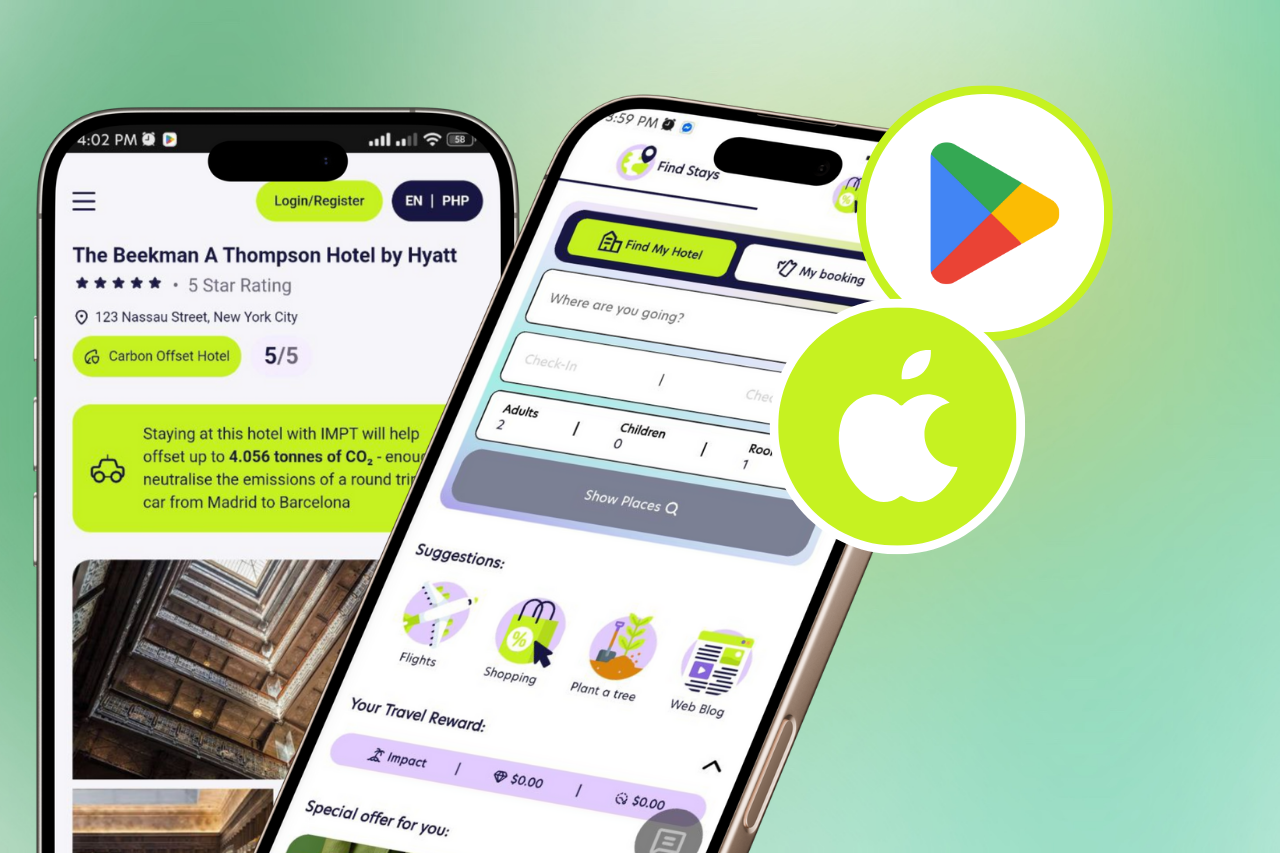
IMPT uses voluntary carbon credits strategically: when you shop or travel through IMPT, a share of transaction value funds verified, Verra-certified projects. The credits are immediately retired — they don’t get held as inventory or speculated on. They fund avoidance and removal projects across forests, renewable energy, and technology.
The honest pitch: shopping through IMPT doesn’t make your consumption zero. But it does mean your consumption funds climate work beyond what you would have paid for otherwise. That’s the voluntary market in action.
Looking Ahead — The Market’s Growing Up
The voluntary carbon market is young. It’s still figuring out standards, governance, and how to prevent fraud. But it’s also the only mechanism that lets individuals and smaller companies fund climate projects right now without waiting for governments to regulate them.
The market will get tighter. Standards will get stricter. Weaker projects will struggle. Better projects will thrive. This is market maturation, and it’s necessary.
For now: if you’re buying voluntary credits, understand what you’re buying. Know the project. Check the registry. Understand it’s not a substitute for cutting emissions. And know that every euro you spend is funding a real reduction somewhere, even if it’s not perfect.
Let’s keep building — together. 🌍💚