
The EU Green Claims Directive: What Shoppers Should Know
Climate-Positive Shopping
🌱
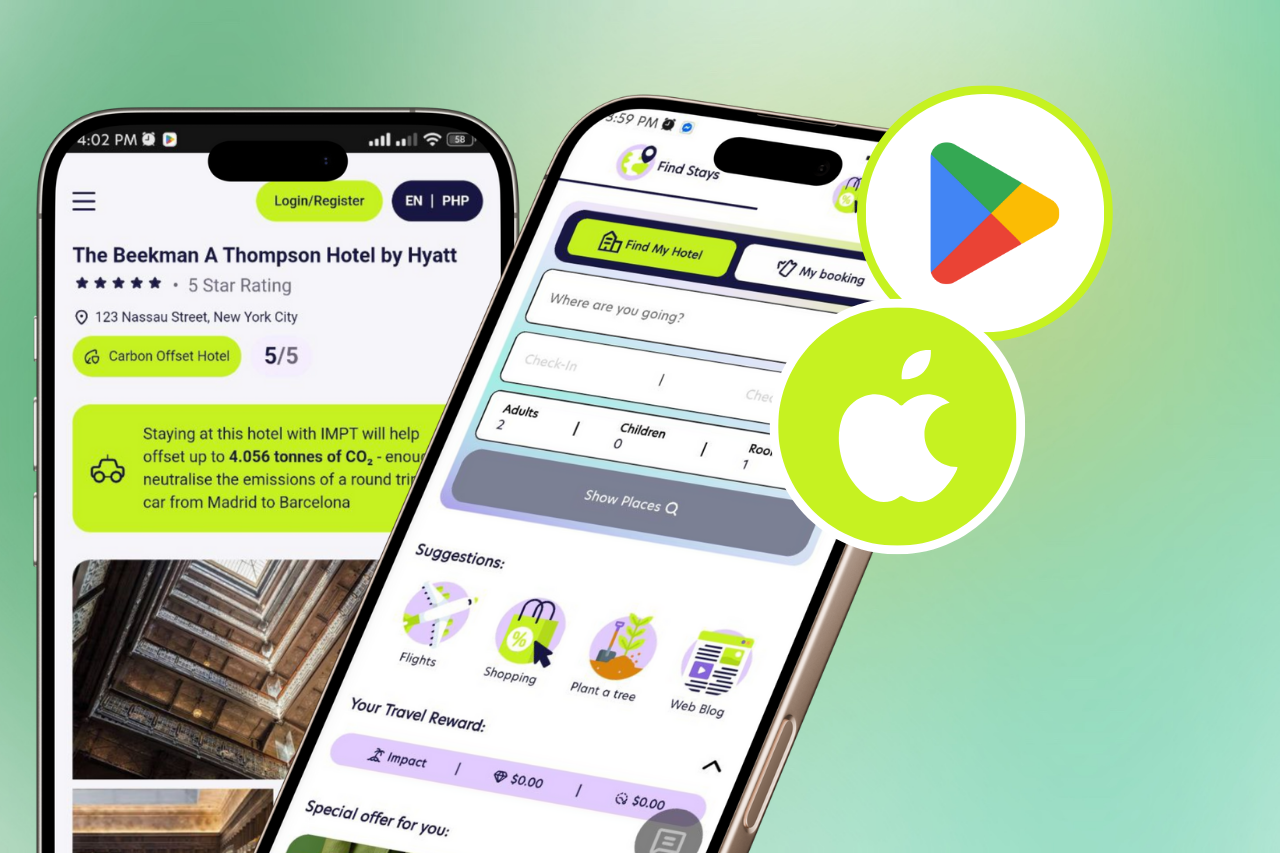
Earn carbon credits on every euro you spend
Same prices as direct · 25,000+ partnered stores.
The EU just banned the vague climate promises that made shopping confusing. Here’s what changes for you.
Dear IMPT Family,
For years, you’ve seen them everywhere: “eco-friendly,” “natural,” “sustainable,” “green.” A cereal box claims it’s “climate-conscious.” A shoe brand says it’s “planet-positive.” A clothing retailer promises “responsible sourcing.” And then you’d wonder: what does that actually mean? Is it real, or marketing? The EU has had the same question — and it’s now tightening the rules.
The EU Green Claims Directive, which came into force in September 2024, is one of the most significant consumer protection rules in a decade. It bans unsubstantiated environmental claims and demands proof. For shoppers, that means less guessing and more clarity. For brands making real climate progress, it’s an opportunity to prove it.
🔥 Key Highlights 🔥
1️⃣ What the directive actually bans
2️⃣ The science behind the rules — where proof matters
3️⃣ How carbon labels and third-party verification work
4️⃣ What happens if brands break the new rules
5️⃣ How to spot a credible claim versus greenwashing
6️⃣ Why this changes shopping — for real
1️⃣ What the Directive Actually Bans
Starting September 2024, EU retailers and brands can no longer make environmental claims without documented proof. The directive specifically bans:
✔ Generic claims like “eco-friendly” or “green” with no specific backing
✔ Claims about future improvements that haven’t been independently verified
✔ Misleading comparisons (e.g., claiming one product is “greener” than competitors without data)
✔ Environmental labels that don’t meet strict criteria
The rule covers every claim — from packaging language to website copy to social media posts. If a brand says it’s reducing carbon emissions, that claim has to be measurable, verified by a third party, and publicly documented. No more vague promises.
2️⃣ The Science Behind the Rules
The directive asks a simple question: can you prove it? If you’re claiming your product has a lower carbon footprint, you need a life-cycle assessment (LCA) — an independent calculation of all emissions from raw material through disposal. If you’re saying you’ve cut emissions by 30%, you need the baseline data and audited reduction figures.
This isn’t new science. Researchers have been doing LCAs for decades. What’s new is that the EU is making this the legal standard for consumer claims. A brand can’t just hire a sympathetic consultant anymore; the methodology has to be transparent and defensible.
3️⃣ Carbon Labels and Third-Party Verification
One outcome of the directive is a push toward standardized carbon labels on products — similar to nutritional labels on food. These labels will show the product’s carbon footprint and, often, how it compares to similar items in its category. Think of it as a nutrition label for climate impact.
But labels only work if they’re trustworthy. The directive requires independent verification: an accredited third party (not the brand itself) has to audit the carbon data before it appears on a label or in advertising. That’s the friction that catches greenwashing.
4️⃣ What Happens If Brands Break the Rules
Non-compliance is expensive. Brands and retailers face fines up to 4% of annual turnover — or the cost of the misleading claim plus punitive damages, whichever is larger. For a global retailer, that’s tens of millions. For a startup, it’s existential. Expect brands to either pull vague claims or fund the research to back them up.
Already, major retailers in France, Germany, and Spain have removed hundreds of unsubstantiated claims from product listings. The directive hasn’t even fully cascaded through supply chains yet, but the shift is real.
5️⃣ How to Spot a Credible Claim
Look for four things on a product or brand website: a specific, measurable claim (not “green”); the methodology or standard used (LCA, ISO 14040, etc.); third-party verification or certification (a logo from a recognized auditor); and a date and scope (e.g., “carbon-neutral by 2030 in our direct supply chain”).
Vague language is your red flag. If it says “eco-friendly” with no data, no certification, no fine print with detail — that’s the claim the directive targets. Real climate work has documents attached.
6️⃣ Why This Changes Shopping — for Real
What the directive does is shift power back to you. Instead of decoding marketing, you can ask for proof. Brands competing on real climate progress now have legal backing to say they’re better than the greenwashers. And if you choose to shop with carbon awareness, you’re rewarded with transparent, auditable data.
Platforms like IMPT amplify this. When you earn carbon credits for verified purchases, those credits are backed by the same third-party audit standard. You’re not trusting a brand’s word; you’re buying into a measurable system.
Looking Ahead — The New Normal in Shopping
The directive is the floor, not the ceiling. It sets a minimum standard and then empowers shoppers and platforms to go further. As carbon labels proliferate across Europe — and as the standard spreads to the UK, North America, and beyond — shopping will become more transparent. You’ll make better choices. Brands will compete harder on climate. And the pretenders will be forced to either invest or exit.
Let’s keep building — together. 🌍💚