Some places exist on the periphery of your awareness for years before you actually get there. Chamonix is not one of those places. Chamonix arrives in your consciousness loudly, insistently, with its name attached to the kind of outdoor achievements that make you feel simultaneously inspired and inadequate. UTMB. Mer de Glace. The Aiguille du Midi. It’s a place that operates at a different scale.
And the mountain biking? Same deal. Chamonix’s riding scene is not for the faint-hearted, and it’s not trying to be. The terrain here is shaped by the Mont Blanc massif — 4,808 metres of granite and ice that doesn’t apologise for what it demands of the humans playing on its lower flanks. The trails are wilder than at more manicured destinations. The enduro terrain is world-class. The bike park at Les Houches — a short drive down the valley — is a proper DH venue with real consequences for mistakes.
This is the guide you need if you’re planning a mountain biking trip to Chamonix and want to go in with eyes wide open.
Why Chamonix is Different
Every major Alpine resort has mountain biking in summer. Most of it is good. Chamonix’s is exceptional, but for specific reasons that aren’t immediately obvious from a trail map.
First: the setting. Riding in the Chamonix valley puts you underneath one of the most dramatic mountain environments on Earth. The scale is overwhelming in the best possible way. You’re descending through terrain that feels primordial — rocky, exposed, shaped by glacial forces over millennia rather than trail builders over a season.
Second: the trail variety. The valley offers everything from mellow valley-floor cruisers to properly gnarly enduro lines accessed by cable car, with the Les Houches bike park adding a world-class DH venue to the mix. You could spend two weeks in Chamonix and not exhaust the riding options.
Third: the scene. Chamonix is one of the most internationally connected outdoor sports towns in the world. The community here — guides, athletes, ordinary adventure-seekers — brings an energy that’s unlike any other Alpine destination. The culture of pushing limits is embedded in the place. It’s contagious.
The Trail Network:
Chamonix’s riding divides broadly into three categories:
Valley floor and lower trails: Accessible without lifts, these routes suit cross-country riders and those looking for lower-commitment riding. The forest trails around Chamonix town and along the valley offer genuine singletrack with a more approachable character.
Lift-accessed alpine terrain: The cable cars and gondolas in the Chamonix valley provide access to high-alpine terrain for enduro riding. Routes from the Flégère, Brévent, and Grand Montets sectors (when open) drop riders into exposed, technical mountain terrain with the kind of views that stop you mid-descent. Routes here are for experienced riders with solid technical skills.
Les Houches Bike Park: A dedicated DH and trail bike park in the neighbouring village of Les Houches, accessed by the Bellevue gondola. This is where you go for lift-lapping, structured trail grades, and a proper DH venue. More on this in the dedicated bike park blogs.
Enduro Riding: Chamonix’s Crown Jewel
If DH is the sprinting of mountain biking, enduro is the stage racing — sustained, varied, demanding both fitness and technical skill. Chamonix is one of the best enduro venues in the world, and serious riders know it.
The enduro routes use gondola and cable car access to reach high-alpine terrain, then follow long, sustained descents back to valley level. These aren’t trail-centre descents — they’re mountain routes that require navigation, fitness, and the technical range to handle whatever the mountain throws at you. Rock gardens, loose scree, rooty forest sections, exposed traverses — you’ll encounter all of it in a single run.
The Vallée Blanche and the routes off the Aiguille du Midi gondola are not mountain bike terrain — those are glacier and technical alpine routes for mountaineers. But the gondola access at Flégère and Brévent opens up legitimate high-alpine enduro that very few other resorts can match.
Best Season and Conditions
Chamonix’s riding season runs from late June through mid-September. The upper trails and high-alpine routes open latest — snow lingers at altitude well into July — while the valley-floor and Les Houches bike park open earlier.
July is peak season. The valley is full, the lifts are running, every restaurant is packed, and accommodation books out fast. The riding is excellent but you’re sharing it with everyone else who had the same idea.
August is similar to July for activity levels but the weather is more settled. The trails are at their driest and fastest. Late August brings cooler temperatures and the first hints of autumn — a personal favourite timing for many regulars.
September is the insider pick. The crowds thin dramatically after the first week. Trails are in excellent condition. The light is extraordinary — long golden afternoons, crisp mornings. Accommodation has availability and sometimes off-season rates begin. If you have flexibility, September in Chamonix for mountain biking is exceptional.
Trail Highlights and Can’t-Miss Routes
Les Bossons forest trails: Accessible without lifts, this network of forest singletracks around the Les Bossons glacier area gives you excellent trail riding with the added spectacle of the glacier above. Lower-commitment but genuinely enjoyable.
Flégère to Chamonix enduro descent: A cable-car-accessed route dropping through technical alpine terrain and forest to valley level. Long, varied, demanding — one of the benchmark routes in the valley.
Les Houches Bike Park: The dedicated DH venue with structured trails from beginner to expert. Essential addition to any Chamonix riding trip. (Full breakdown in the dedicated bike park blogs.)
The Balme sector: Above the head of the valley, trails from the Balme telecabine give access to the Aiguilles Rouges natural reserve area — wilder, rawer terrain for riders who want something beyond the main Chamonix valley network.
What to Know Before You Go
Chamonix is a serious mountain environment. A few things worth knowing:
Weather changes fast. Always carry a rain layer, regardless of morning forecasts. High-altitude afternoon thunderstorms in summer are common.
Know your skill level honestly. Chamonix’s lift-accessed terrain is not beginner terrain. The enduro routes in particular have serious technical sections and navigation demands. If you’re new to lift-assisted riding, spend time at Les Houches bike park before venturing onto the high-alpine routes.
The town is genuinely international. English is widely spoken. That said, some trail signage in the more remote sectors is French-only, so basic navigation skills — or a downloaded GPX — are essential for venturing beyond the marked routes.
A guide for at least your first day on the high-alpine terrain is money well spent. Local guides know which routes are in good condition, which sections to avoid, and how to get you into the best terrain safely.
Where to Stay in Chamonix: Book Smart with IMPT
Chamonix has accommodation for every budget and style — from hostel bunks popular with the backpacker enduro crowd to serious hotel options in town. For mountain biking, location matters: staying within walking distance of town centre puts you close to the lift stations and the bike park shuttle options.
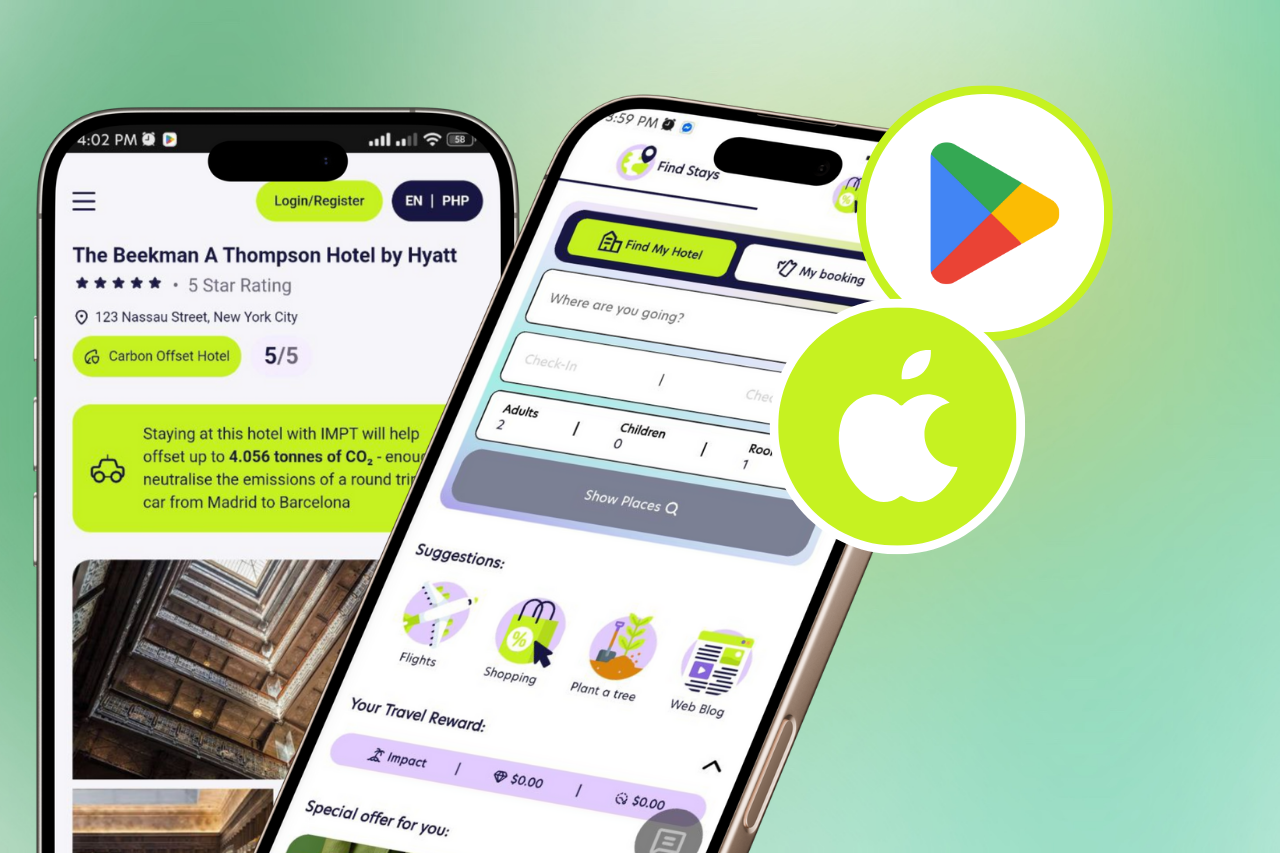
Book your Chamonix hotel through impt.io at https://app.impt.io/find-hotel-input. Every booking through the platform earns approximately 5% back as on-chain carbon credits, retired in your name against verified climate projects.
Chamonix is quite literally on the front line of Alpine climate change. The Mer de Glace glacier has retreated dramatically in living memory — there are famous photo comparisons showing the glacier surface from the Montenvers railway that are genuinely shocking. Riding here and having your accommodation booking contribute to carbon offsetting isn’t a marketing exercise — it’s a meaningful response to a real situation.
Chamonix is Waiting
There’s a reason Chamonix has the reputation it does. The mountains are extraordinary, the riding is world-class, and the valley community is like nowhere else in Europe. Plan carefully, prepare properly, and Chamonix will give you some of the best riding days of your life.
Start with accommodation: search hotels at https://app.impt.io/find-hotel-input and get your base sorted. Everything else follows from there.