If you asked a mountain biker to design a destination from scratch — ideal terrain, ideal access, ideal community, ideal backdrop — they’d describe something very close to Chamonix in summer. The place is essentially a purpose-built adventure sports environment that happens to have a charming town in the middle of it and one of the most dramatic mountain ranges on the planet surrounding it on all sides.
The skiing reputation is enormous and deserved. But Chamonix in summer is a different creature, and more mountain bikers need to know about it. This is not a destination that’s begrudgingly tolerated bikes after closing the ski runs. The summer riding culture here is deep, the infrastructure is serious, and the terrain is legitimately world-class in a way that only a handful of places on Earth can claim.
Here’s why it should be your next summer riding trip.
The Terrain Makes Anywhere Else Feel Small
There’s no delicate way to say this: if you’ve only ridden “regular” Alpine bike parks before, Chamonix will recalibrate your scale. The valley sits at around 1,000 metres, and the terrain climbs from there to the flanks of Mont Blanc at nearly 4,808 metres. Riders don’t go to the summit on bikes. But the accessible terrain between the valley and the mid-mountain zones still represents vertical drop and panoramic exposure that most destinations can only approximate.
High-alpine enduro routes accessed by gondola drop riders through terrain that is genuinely mountain terrain — not groomed bike park tracks with mountain views, but actual alpine ground that requires reading, navigation, and the full range of technical skills. Rock, scree, root, dust, loose-over-hard — the mountain gives you everything.
The Les Houches bike park, a short drive from Chamonix town, adds a structured DH and trail centre to the mix — giving you the controlled progression environment within easy reach of the wilder enduro terrain. The combination is almost unfair.
The Culture: You’re Riding with the Best
Chamonix has been an international adventure sports destination since the 19th century. The culture of pushing limits, of treating the mountain as the ultimate test, is embedded in the valley’s DNA. This creates a riding community that’s unlike anything you’ll find at a more casual resort.
The people you meet at the lift stations and on the trails in Chamonix are typically serious riders with broad experience. The conversations at the base camp cafes are about lines, conditions, and the kind of technical detail that mountain bikers love. Guides running enduro days here are typically people who’ve dedicated their working lives to the terrain — the quality of local knowledge is exceptional.
For riders who’ve felt slightly out of place at more family-friendly bike parks, or who want to be around people who share the same level of commitment to the sport, Chamonix is a revelation. The vibe matches the terrain: serious but welcoming, technical but not exclusionary.
Access is Better Than You’d Think
Chamonix feels like it should be difficult to reach. It’s at the end of a valley in the Alps, surrounded by mountains on three sides, and the only road in goes through a tunnel under Mont Blanc from Italy or comes over the mountain from Switzerland. And yet: Geneva airport is less than an hour away by road, with regular bus and shuttle services running directly to Chamonix throughout the summer.
This makes Chamonix one of the most accessible serious mountain destinations in the world. You can fly into Geneva on a Friday evening, be in Chamonix by dinner, and be on a gondola with your bike Saturday morning. Many riders do exactly this for long-weekend trips.
Car hire from Geneva is the most flexible option — it lets you reach Les Houches and explore the valley freely. But shuttles are good enough that you don’t strictly need one, especially if you’re based in Chamonix town.
Summer Chamonix vs. Winter Chamonix
Winter Chamonix is world-famous and deservedly so. But summer has things winter simply cannot offer:
You can see everything. The Mont Blanc massif in winter is often shrouded in cloud at the critical moments. Summer visibility is generally better, and the long days mean you have hours of good light to ride in.
The town has room to breathe. Winter brings enormous crowds to a place that isn’t particularly large. Summer is busy — it’s Chamonix — but not crushed in the same way.
The culture is different. Winter Chamonix is skiers, snowboarders, and the serious alpinism crowd. Summer Chamonix adds ultrarunners, hikers, cyclists, mountain bikers, via ferrata enthusiasts, paragliders — the outdoor sports community in its full diversity. The energy is exceptional.
You can enjoy the valley. In summer, the valley floor is green and walkable. The rivers run with glacial melt. The restaurants have terraces. You can actually sit outside and appreciate where you are.
Practical Considerations: What You Actually Need to Know
Bike hire: Available in Chamonix town and at Les Houches. High-end enduro and DH bikes for hire, with booking ahead strongly recommended in peak season.
Guides: Highly recommended for high-alpine enduro routes if it’s your first time. Several excellent guiding companies operate in the valley.
Season: Late June to mid-September. July and August are peak. September is the rider’s favourite.
Fitness: Be honest with yourself. High-altitude biking, even lift-assisted, is physically demanding. Trail rides involve actual pedalling effort, and altitude affects fitness noticeably above 1,500 metres.
Navigation: Download GPX files for any routes beyond the structured bike park. Cell signal can be unreliable on the upper mountain.
The Food and Evening Scene
Chamonix punches above its weight on food and nightlife for an Alpine village. The international character of the town means you’ve got excellent options across cuisines — French, Italian, Japanese, international — alongside the local Savoyard classics.
Post-ride routines here tend to be social. The rider cafes and bars attract a crowd that wants to decompress and talk about the day’s riding over something cold. There’s a genuine après-bike culture developing in Chamonix that doesn’t feel contrived — it emerges naturally from a community that takes the riding seriously and then relaxes equally seriously afterward.
Where to Stay in Chamonix: Earn While You Book with IMPT
Chamonix accommodation ranges from budget hostels (popular with the younger riding crowd) through to mid-range hotels and upscale options. For mountain biking trips, central Chamonix puts you close to lift stations and the town’s services. Les Houches village is also worth considering if the bike park is your primary focus — you’ll have the park on your doorstep.
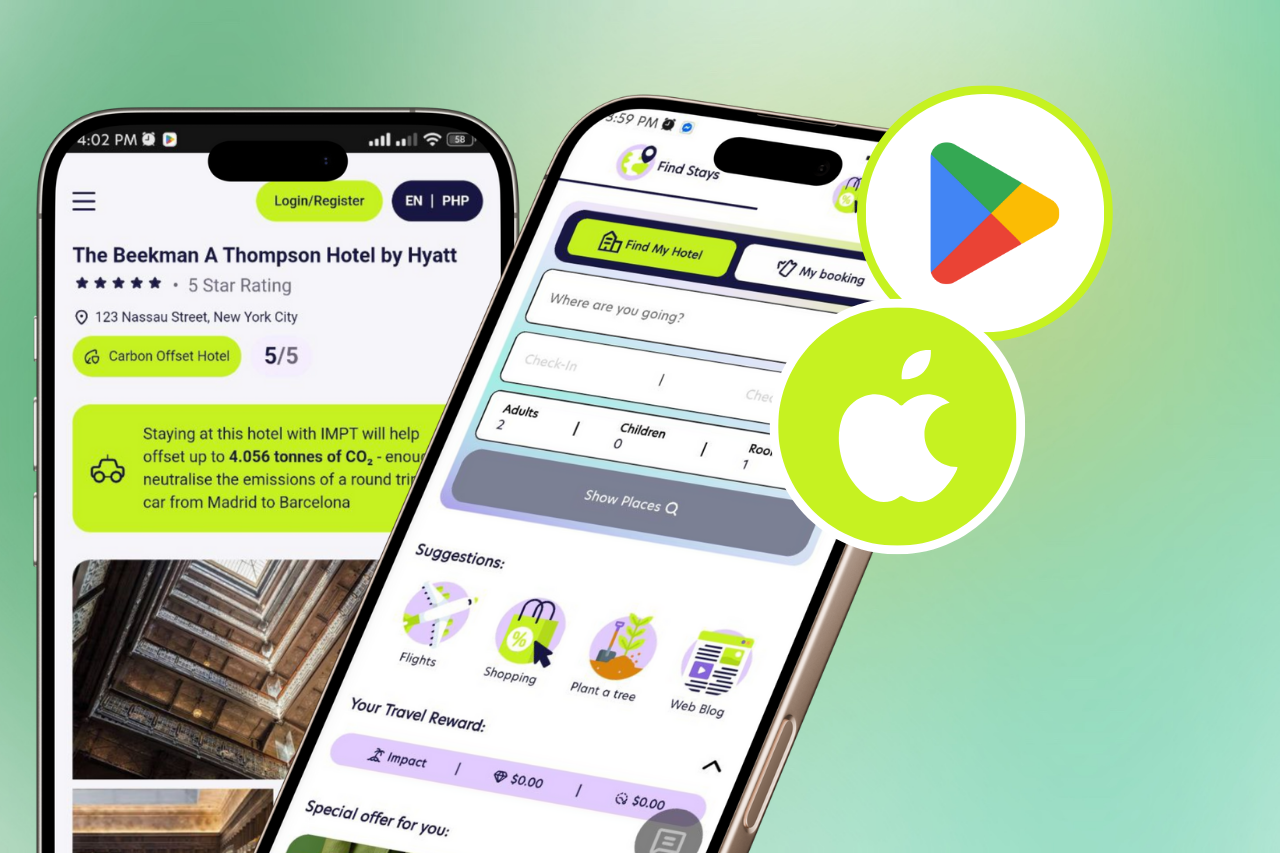
Search hotels for your Chamonix trip at https://app.impt.io/find-hotel-input through impt.io. Every booking earns approximately 5% back as on-chain carbon credits, retired in your name.
Chamonix is a town that watches glaciers retreat every year. The Mer de Glace has lost over a kilometre of length since the mid-20th century. Riding here is a privilege; booking through IMPT is one concrete way to acknowledge that and do something about it.
Make It Happen
Chamonix in summer is one of those trips that riders talk about for years afterward. Not just because of the quality of the trails — though they are exceptional — but because of the entire experience: the scale of the mountains, the quality of the community, the culture of the valley, the particular feeling of riding in a place that takes adventure seriously.
Book your accommodation now at https://app.impt.io/find-hotel-input and start planning. Chamonix is waiting.